GOLD’S NEXT SHOCK WAVE: Why 2026 Could Shake Weak Hands Out of the Market

Gold Isn’t Supposed to Be Boring
I’ve been in the financial world long enough to know one thing: when markets go quiet, danger usually isn’t far behind.
HSBC’s James Steel recently made a point that caught my attention: just because gold is a safe haven doesn’t mean it won’t be volatile. He believes volatility will define gold in 2026.
He’s right.

A lot of folks think gold should just steadily climb like a savings account that actually works. But that’s not how markets behave — especially when trust in currencies, governments, and central banks starts to wobble.
Gold doesn’t move because things are calm.
Gold moves when something underneath the system starts shifting.
And right now, a lot is shifting.
The Old Rulebook Is Breaking Down
For decades, gold had a pretty reliable relationship with real interest rates. When real rates fell, gold rose. When real rates rose, gold cooled off.
Steel pointed out that since 2022, that correlation has weakened dramatically.
That’s important.
Because it tells us something deeper: gold isn’t just reacting to interest rates anymore. It’s reacting to confidence.
Retail investors, geopolitical tensions, sovereign debt levels, and — most importantly — central bank buying are now major forces driving the market.
When old financial relationships break down, it usually means we’re in a new regime.
And new regimes bring volatility.
Central Banks Are Voting With Their Vaults
Let’s talk about the elephant in the room.
Central bank gold buying since 2022 has been two to three times higher than the previous decade’s average. That’s not a small shift. That’s a structural move.
Now, Steel says the dollar will remain the world’s reserve currency for a long time. He may very well be right. The dollar isn’t going to disappear overnight.
But that’s not the real issue.
The real issue is diversification.
If you’re a central bank and you see rising U.S. debt, geopolitical tensions, sanctions risks, and global instability, you don’t necessarily dump dollars — you reduce exposure. And one of the easiest ways to reduce exposure is to increase gold reserves.
If central banks are diversifying, shouldn’t everyday investors at least pay attention?
I grew up in a working-class household. You didn’t put everything in one basket. You didn’t trust one paycheck source. You didn’t trust one bank. And you certainly didn’t trust one promise.
The same principle applies here.
Volatility Is the Admission Fee for Insurance
Here’s where I want to speak directly to you.
Volatility scares people out of protection.
Gold rallies.
Then it drops $150 or $200.
The headlines scream.
Weak hands sell.
But volatility doesn’t mean gold is broken.
It means money is nervous.
Think of it this way: fiat currency is like a car you drive off the lot. It loses purchasing power over time. Slowly. Quietly. Sometimes all at once.
Gold doesn’t promise excitement. It promises durability.
But that durability comes with price swings — especially during parabolic rallies like we’ve seen.
When a market makes new highs — especially inflation-adjusted highs — it invites speculation. Speculation invites volatility.
That doesn’t invalidate the long-term case.
It confirms that emotions are entering the room.
Central Bank Independence and System Risk
Steel made another important point: any threat to central bank independence tends to push gold higher.
Why?
Because markets depend on confidence.
If investors start to believe monetary policy is being politically steered, trust erodes. And when trust erodes, people look for assets outside the system.
Now, I’m not here to predict collapse tomorrow. But I will say this: we’re living in a time of growing fiscal pressure, expanding deficits, digital financial experimentation, and increased financial oversight.
When systems tighten control, capital looks for exits.
Gold has historically been one of them.
The Real Question Isn’t “Will Gold Be Volatile?”
The real question is this:
Do you want all your wealth sitting inside a system that is clearly under strain?
Gold isn’t about getting rich overnight. It’s about not getting blindsided.
The average person I talk to isn’t a hedge fund manager. They’re retirees, small business owners, working families — people who feel like the cost of everything keeps rising while the value of their savings keeps shrinking.
They don’t need hype.
They need ballast.
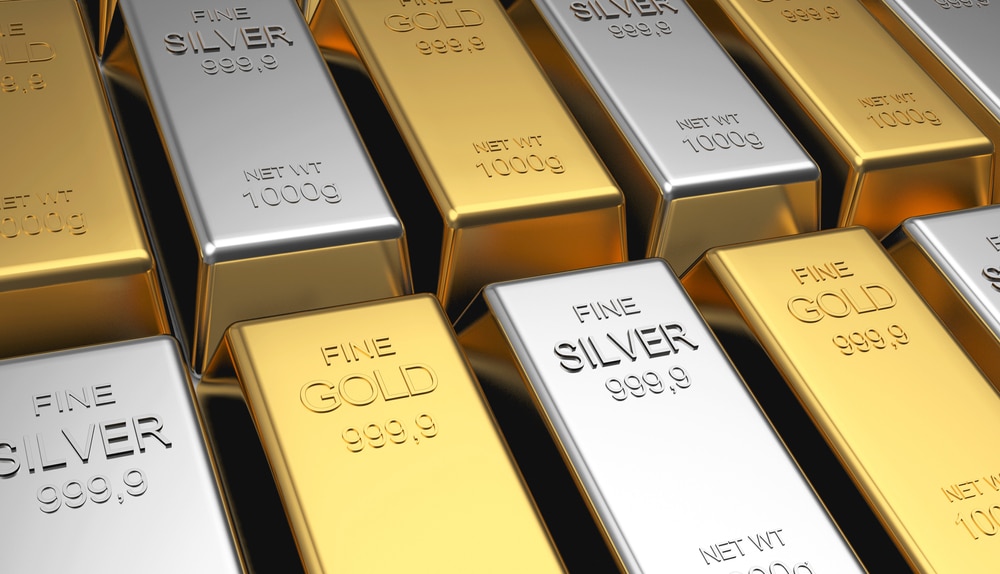
Gold and silver provide that ballast.
Silver: The Overlooked Companion
While gold gets the headlines, silver often plays catch-up — and historically, it can move harder and faster during bull markets.
If volatility defines gold in 2026, silver could amplify that movement.
For investors willing to tolerate swings, silver can offer both monetary protection and industrial demand exposure. But it requires discipline.
Again — volatility is not a bug in the system. It’s part of the design.
What I’d Tell You If We Were Sitting Across the Table
Don’t mistake volatility for weakness.
Don’t expect smooth sailing in an unstable monetary environment.
And don’t assume that because gold pauses, the bull market is over.
The forces driving central bank accumulation, sovereign diversification, debt expansion, and global uncertainty are not short-term phenomena. They’re structural.
That’s why I believe precious metals remain essential components of a well-diversified strategy — not as speculation, but as protection.
Final Thoughts: The Smart Money Prepares Early
We are entering an era where financial headlines will feel louder. Markets will swing harder. Narratives will shift quickly.
In times like these, preparation beats prediction.
Gold and silver aren’t about betting against America or rooting for chaos. They’re about recognizing risk and taking reasonable steps to protect your purchasing power.
If you want deeper insights, portfolio positioning strategies, and real-time updates on what’s developing in the gold and silver markets, I invite you to join our Dedollarize Inner Circle.
Inside the Inner Circle, we go beyond headlines. We break down what central banks are doing, what the Fed’s moves really mean, and how to position yourself before volatility hits.
Join the Dedollarize Inner Circle here.
Volatility is coming.
The question isn’t whether gold will move.
The question is whether you’ll be positioned before it does.