Gold Surges Through Inflation Chaos as Oil Shock Threatens Markets—Why Smart Money Is Quietly Positioning Now

Gold Holds Strong as Rising Gas Prices Fuel Inflation Fears
Gold has once again proven it doesn’t break easily.
Even as oil prices surge and inflation fears intensify, gold has managed to hold above key technical levels—hovering well above its 200-day moving average. That’s not coincidence. That’s structural strength.
In plain terms: despite everything being thrown at it—rising yields, hawkish central banks, geopolitical instability—gold hasn’t collapsed. It’s absorbing pressure.

And that matters.
Because in a market where most assets are propped up by artificial liquidity and policy manipulation, gold’s resilience signals something deeper: underlying demand tied to real economic fear.
Oil Prices, Inflation, and the Pressure on Gold
Here’s the catch—and it’s a big one.
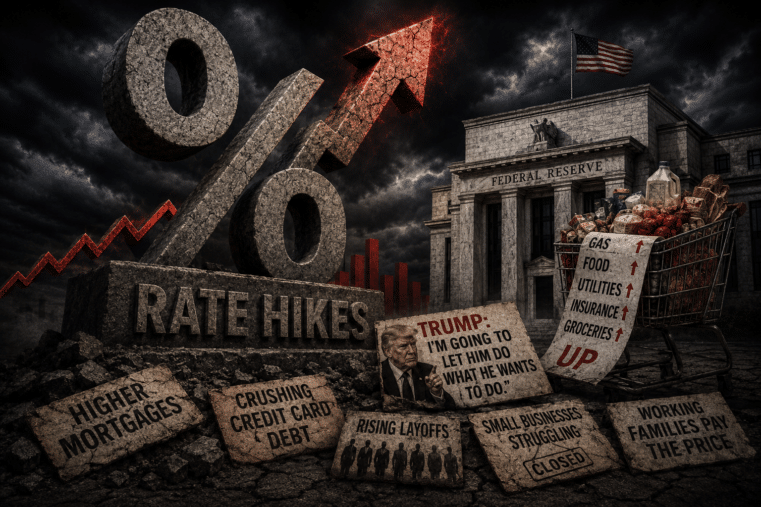
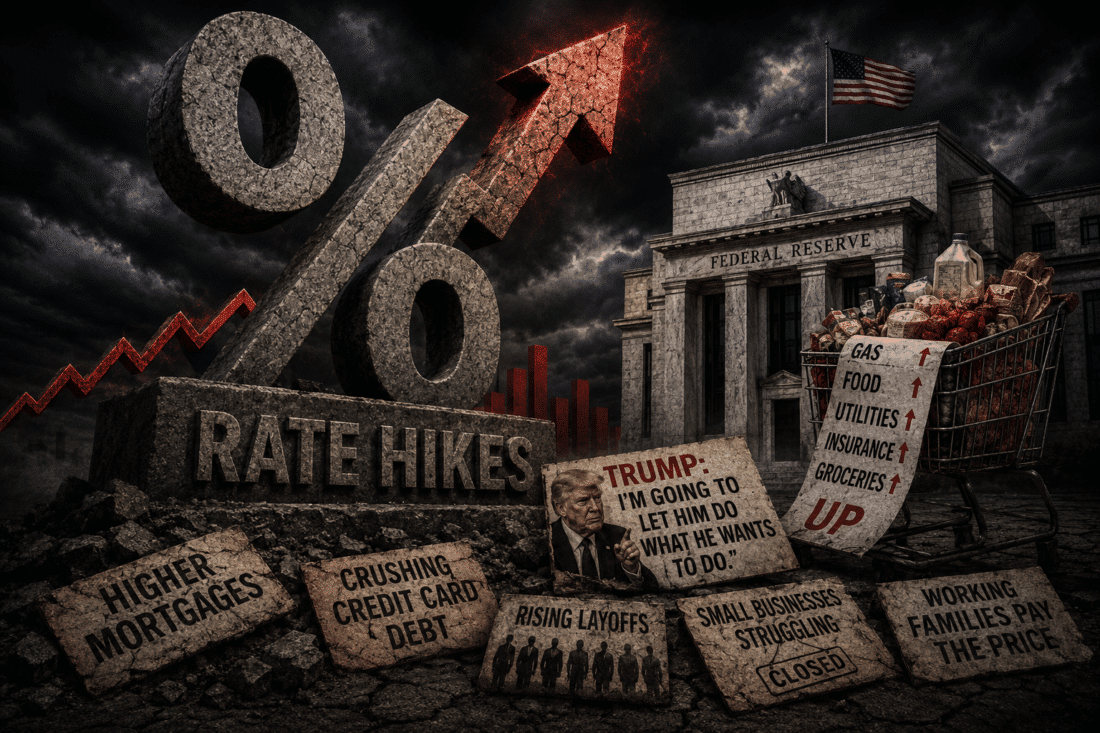
Rising oil prices are fueling inflation concerns, which in turn forces central banks into a corner. When inflation spikes, policymakers respond with tighter monetary policy—higher rates, reduced liquidity, and more aggressive intervention.
That creates a short-term problem for gold.
Why?
Because gold doesn’t yield anything. When interest rates rise, the “opportunity cost” of holding gold increases. Investors start chasing yield instead of safety.
That’s exactly what we’re seeing now:
- Weak institutional demand
- Sluggish ETF inflows
- Central banks slowing accumulation
But don’t confuse short-term pressure with long-term weakness.
This is where most people get it wrong.
The $150 Oil Scenario: A Temporary Shock, Not a Death Blow
Let’s talk worst-case.
If oil spikes to $150 per barrel, we could see gold dip toward its long-term support levels. That’s not collapse—that’s correction.
Markets don’t move in straight lines. They shake out weak hands before making bigger moves.
A temporary pullback driven by inflation panic doesn’t invalidate gold’s trajectory—it reinforces it.
Because what happens after the shock?
- Economic slowdown intensifies
- Policy tightening breaks something in the system
- Central banks are forced to pivot
And when they do, gold doesn’t just recover—it runs.
Why Gold Still Wins Long Term Despite Rising Gas Prices
Zoom out.
The macro environment is still overwhelmingly bullish for gold:
Debt Levels Are Out of Control
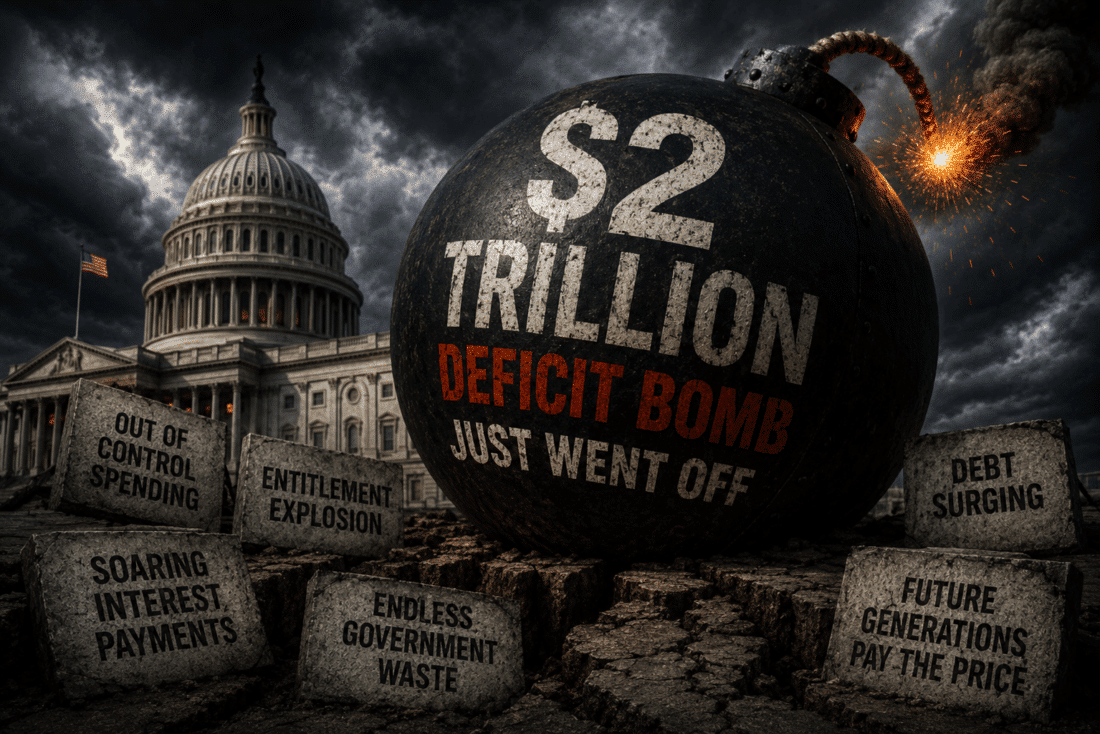
Global debt continues to explode, with governments relying on endless borrowing to stay afloat. That’s not sustainable—and markets know it.
Monetary Policy Is Trapped
Central banks can’t keep tightening forever without triggering systemic damage. Eventually, they’ll be forced to reverse course.
Currency Confidence Is Eroding
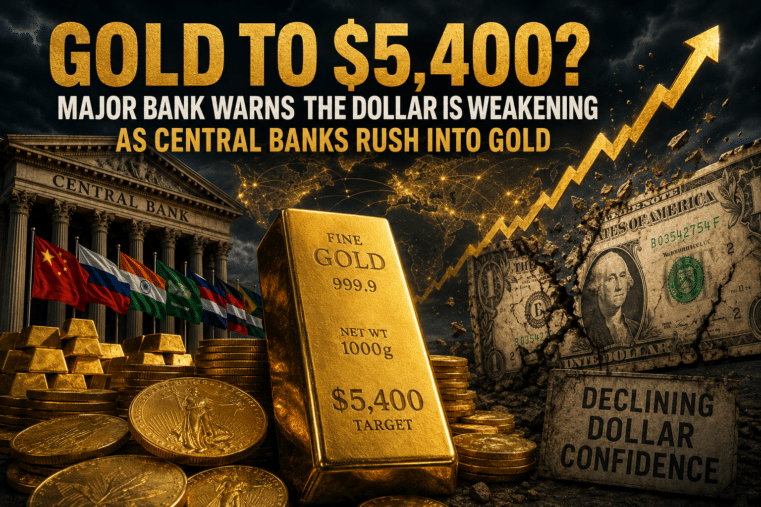
We’re already seeing early signs of de-dollarization and declining trust in fiat systems. This shift is becoming more pronounced as gold inflated gas prices highlight the weakening purchasing power of currencies and push investors toward hard assets.
Financial Repression Is Building
When governments can’t grow their way out of debt, they inflate it away. That means negative real returns—and a silent tax on savings.
Gold thrives in that environment.
The Real Opportunity Most Investors Are Missing
Here’s the uncomfortable truth:
Most investors are reactive. They buy gold after it spikes, not when it’s under pressure.
Right now, gold is in a tension zone:
- Short-term headwinds
- Long-term tailwinds
That’s where opportunity lives.
The current hesitation in the market isn’t a warning sign—it’s a setup. A period where institutional money steps back, retail hesitates, and price consolidates.
And then—when policy shifts and inflation narratives change—gold reprices aggressively.
Silver’s Parallel Path: Industrial Pressure, Explosive Potential
Silver is following a similar script—but with more volatility.
Rising oil prices and slowing economic growth can temporarily suppress industrial demand, putting pressure on silver prices.
But when the cycle turns:
- Industrial demand rebounds
- Economic activity accelerates
- Monetary conditions loosen
Silver doesn’t just recover—it tends to outperform.
That makes it a high-risk, high-reward complement to gold in this environment.
My Take: This Is a Controlled Burn Before the Breakout
What we’re witnessing isn’t chaos—it’s a controlled burn.
Markets are adjusting to a new reality:
- Persistent inflation
- Fragile economic growth
- Policy constraints
- Geopolitical instability
Gold isn’t failing in this environment—it’s stabilizing before the next move.
The real risk isn’t owning gold right now.
It’s waiting until the signal becomes obvious—because by then, the price will already reflect it.
Final Warning: Don’t Wait for the System to Tip
The system doesn’t break overnight. It erodes—quietly, gradually—until one day it doesn’t hold.
Gold is one of the few assets that exists outside that system.
And right now, it’s telling you something.
The question is whether you’re paying attention—or waiting for permission from the same institutions that caused the problem.
Take Action Before It’s Too Late
If you’re starting to connect the dots—rising inflation, unstable policy, mounting debt—then you need to understand where this is heading next.
The shift toward centralized financial control isn’t coming—it’s already underway.
That’s why the Digital Dollar Reset Guide by Bill Brocius is essential reading right now.
It breaks down:
- How systems like FedNow are changing the way money moves
- The real risks behind central bank digital currencies (CBDCs)
- How financial surveillance and programmable money could impact your freedom
- Practical steps to protect your wealth before the transition accelerates
This isn’t optional information—it’s critical intelligence.