Inflation Surge Exposed: Fed’s Preferred PCE Index Signals Persistent Price Pressure and Shrinking Consumer Power

PCE Inflation Data Shows Price Pressures Are Far From Over
The Federal Reserve’s preferred inflation gauge—the Personal Consumption Expenditures (PCE) index—just delivered a clear message: inflation is not under control.
- Headline PCE: up 0.7% month-over-month, 3.5% year-over-year
- Core PCE (excluding food and energy): up 0.3% monthly, 3.2% annually
These aren’t cooling numbers. In fact, headline inflation just hit its highest level in nearly three years.
For all the talk about progress, the data shows inflation is proving far more persistent than expected.

Why the PCE Inflation Index Matters More Than CPI
Most headlines focus on CPI, but policymakers rely heavily on PCE—and for good reason:
- It captures broader consumer behavior
- Adjusts for substitution effects
- Provides a more dynamic view of real spending patterns
When PCE remains elevated, it tells you inflation isn’t just a temporary spike—it’s embedded in the system.
And right now, it clearly is.
Goods Inflation Is Reaccelerating—A Major Warning Sign
One of the most overlooked shifts in this report is the return of goods inflation.
- Durable goods have flipped from deflation to inflation
- Non-durable goods are rising rapidly due to energy costs
- Monthly goods prices jumped 1.4%
This matters because goods inflation had been one of the few areas providing relief.
That relief is now gone.
When both goods and services inflation rise together, it creates a more entrenched and difficult-to-control inflation cycle.
Energy Prices Are Quietly Driving Everything Higher
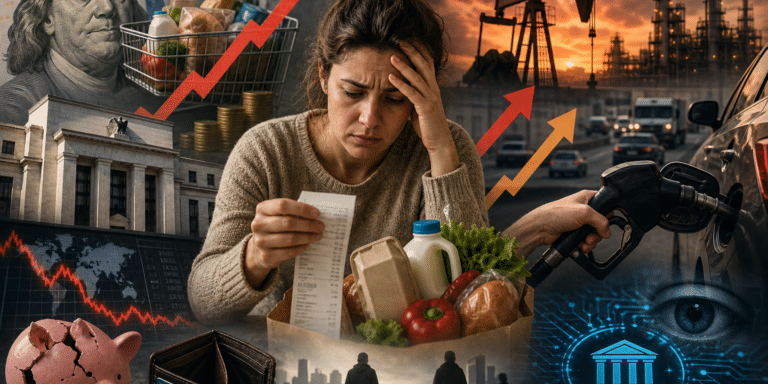
You don’t need an economic model to understand this—just look at your gas receipt.
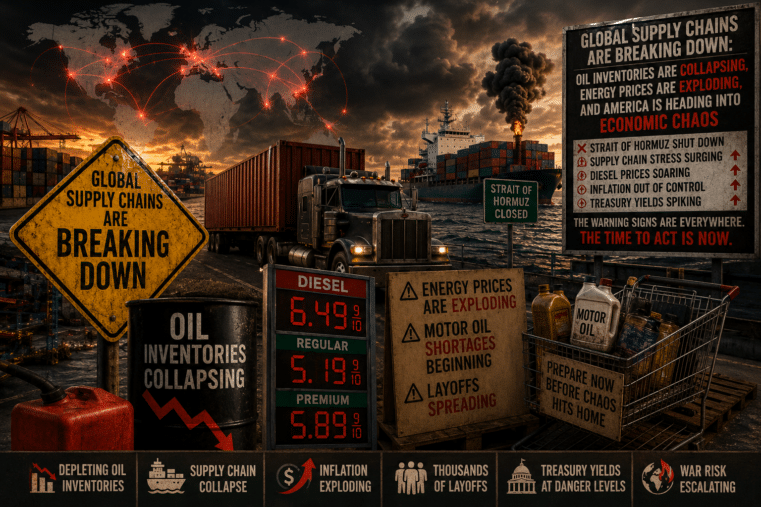
- Gas prices are back above $4.30 per gallon
- Households are spending roughly $70 more per month on fuel
- Tax refunds are being absorbed by energy costs
Energy doesn’t just hit your wallet directly—it flows through the entire economy:
- Transportation costs rise
- Production costs increase
- Retail prices adjust upward
This is how inflation spreads.
Consumers Are Cracking: Savings Rate Drops Again
While prices climb, consumers are losing their buffer.
- Savings rate: down to 3.6%
- Down from 5.5% just a year ago
That’s a significant erosion of financial resilience.
Consumers are:
- Spending more just to maintain baseline living standards
- Saving less as costs rise
- Slowing overall consumption growth (down to 1.6%)
This is how inflation turns into economic strain.
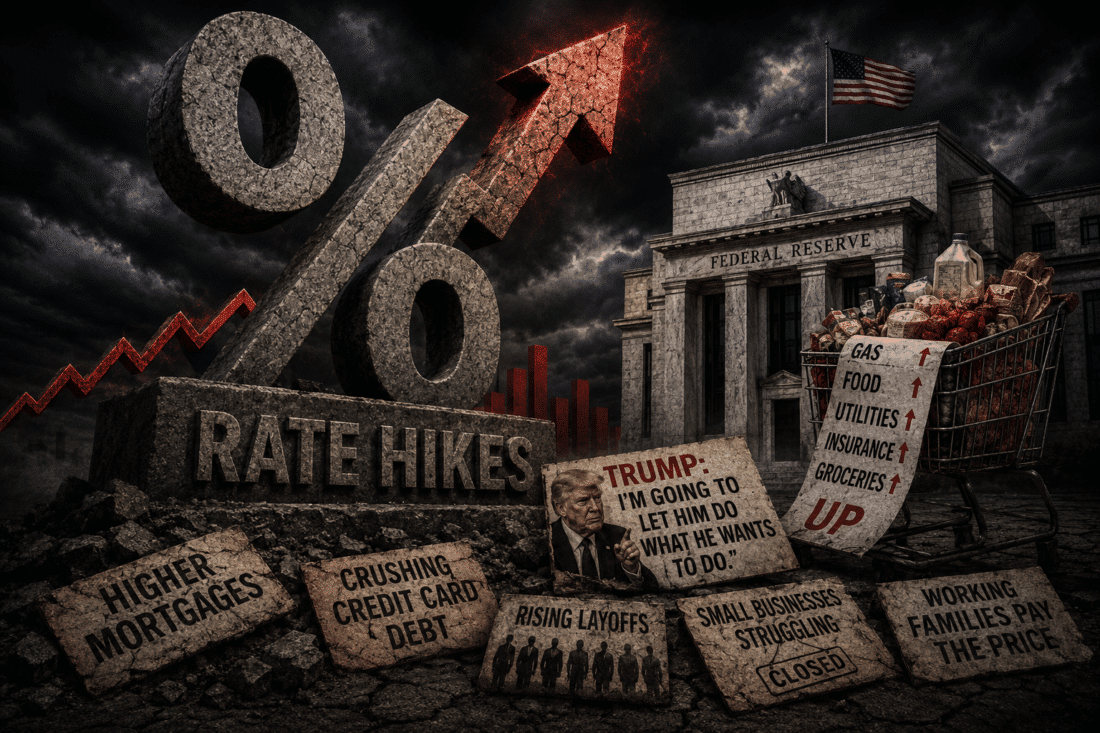
The Fed Is Trapped Between Inflation and Economic Slowdown
Here’s the reality policymakers don’t like to admit:
They’re stuck.
On one hand:
- Inflation is still well above the 2% target
- Tight policy is needed to contain it
On the other:
- Consumer spending is slowing
- Savings are declining
- Economic cracks are forming
Raise rates too much, and you risk breaking the economy.
Ease too soon, and inflation reignites even stronger.
There’s no clean exit.
The Illusion of Stability: Why the Economy Looks Stronger Than It Is
At first glance, things don’t look catastrophic:
- Stock markets remain elevated
- Unemployment is relatively low
- AI investment is propping up growth
But underneath that surface:
- Households are under pressure
- Real purchasing power is declining
- Growth is becoming increasingly uneven
This is what economists call a bifurcated economy—and it rarely ends smoothly.
My Take: Inflation Isn’t Temporary—It’s Structural Now
The biggest misconception right now is that inflation is still “transitory” or cyclical.
It’s not.
We’re seeing the early stages of structural inflation, driven by:
- Energy volatility
- Supply chain adjustments
- Fiscal expansion
- Long-term policy constraints
This kind of inflation doesn’t disappear quickly—it lingers, shifts, and resurfaces in waves.
And every wave erodes purchasing power further.
What This Means for Your Financial Future
Persistent inflation changes the rules:
- Cash loses value faster
- Living costs rise unpredictably
- Long-term planning becomes harder
- Real returns become more difficult to achieve
If inflation stays elevated—and current data suggests it will—then financial strategies built on stability and predictability start to break down.
Final Warning: The Pressure Is Building, Not Easing
The latest PCE report isn’t just another data point—it’s confirmation.
Inflation is:
- Broad-based
- Persistent
- Reinforced by energy and goods pricing
At the same time:
- Consumers are weakening
- Savings are declining
- Growth is slowing
That combination doesn’t resolve easily.
It builds tension in the system—and eventually, that tension forces change.
Take Action Before the System Tightens Further
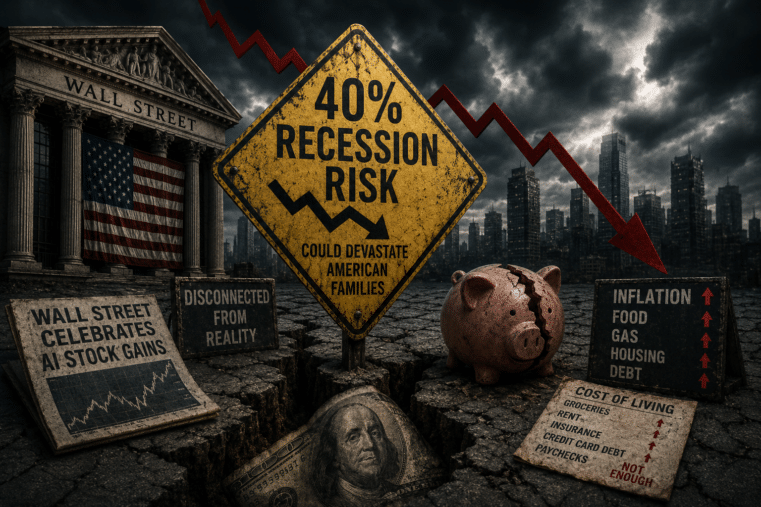
If you’re paying attention, the pattern is clear: rising inflation, declining savings, and increasing pressure on everyday Americans.
But there’s a deeper shift happening behind the scenes.
As inflation persists and financial systems strain, new infrastructure like FedNow and the development of central bank digital currencies (CBDCs) are accelerating—bringing with them the potential for financial surveillance and programmable money controls.
If you want to understand what this means for your financial freedom—and how to prepare—you need to get informed now.
The Digital Dollar Reset Guide by Bill Brocius breaks down:
- How these systems are evolving
- What risks they pose
- Practical steps you can take to protect your wealth
This is essential intelligence in a rapidly changing financial landscape.