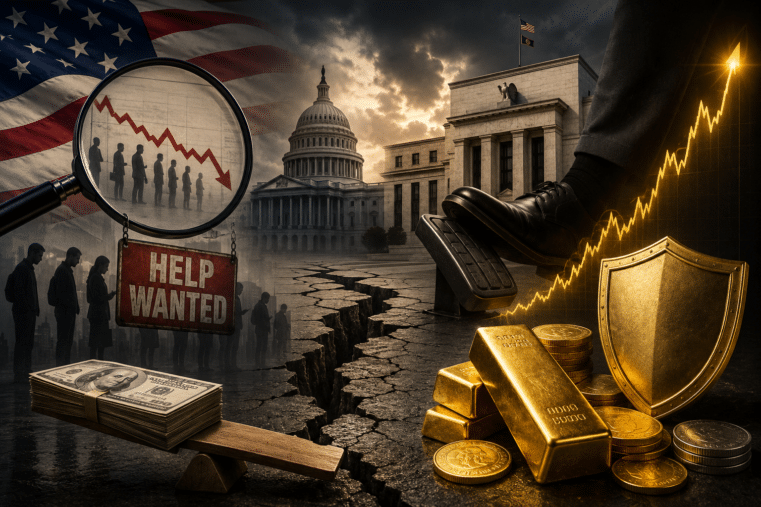

TAX CUTS WON’T SAVE YOU: Why Rising Oil Is Quietly Wiping Out Your Paycheck

The Promise vs. The Reality
Washington loves a good headline.
“Tax relief.”
“More money in your pocket.”
But here’s the truth: a tax cut only matters if your cost of living stays put. And right now, it’s not staying put—it’s climbing fast.
Gas prices rise. Food follows. Shipping costs spike.
That “extra” money? Gone.

Wiped out before it ever makes a difference.
Oil Prices: The Hidden Tax Nobody Voted For
Let’s call it what it is.
When oil prices surge, it hits everything:
- Your commute
- Your groceries
- Your utilities
- Every product moved by truck, rail, or ship
This isn’t theoretical. It’s immediate. It’s constant. It’s unavoidable.
Economists can dress it up with charts and projections, but working Americans feel it in real time. Every fill-up. Every receipt.
And unlike tax cuts—which show up once—higher energy costs hit you every single week.
The Math Doesn’t Work for Working Families
Here’s where things get even more lopsided.
Lower-income households spend a bigger share of their income on essentials—especially gas. That means they feel price increases harder and faster.
The data tells the story:
- Lower-income Americans might offset just a few months of higher gas prices with tax refunds
- Higher-income households can absorb the impact longer
Same policy. Very different outcome.
So who really benefits? Not the people being told they’re getting relief.
Growth on Paper, Pain in Reality
On paper, tax cuts are supposed to boost growth.
More spending. More investment. More momentum.
But that only works in a stable environment.
When oil spikes—especially due to geopolitical conflict—that growth gets choked off:
- Businesses face higher operating costs
- Consumers pull back spending
- Economic momentum stalls
The “boost” doesn’t disappear overnight—it just gets quietly canceled out.
And the average American is left wondering why nothing feels better.
The Bigger Picture They Don’t Want to Talk About
This isn’t just about tax policy or oil prices. It’s about a system that keeps offering short-term relief while long-term pressures keep building.
You get a little break here.
A bigger bill there.
And somehow, you’re always behind.
While elites debate policy frameworks and global strategy, regular Americans are stuck managing the consequences:
- Volatile energy markets
- Shrinking purchasing power
- Increasing financial uncertainty
It’s a cycle. And it’s not accidental.
So Do Tax Cuts Help Right Now?
In this environment? Barely.
They’re not meaningless—but they’re not transformative either. Not when inflation in essentials cancels them out almost dollar for dollar.
For many families, they don’t feel like relief at all.
They feel like a delay. A temporary cushion in a system that keeps squeezing.
The Bottom Line
Tax cuts sound good. They make headlines. They win votes.
But if rising costs erase the benefit, what are they really worth?
That’s the question more Americans are starting to ask.
And it’s a question that deserves a real answer—not another talking point.
Take Action Before the Next Shock Hits
The system isn’t slowing down. The pressures aren’t easing. And waiting for relief hasn’t worked so far.
Download "Digital Dollar Reset Guide" now.
Click here to get it
Your future self will thank you. Or curse you — depending on whether you act now.