The Texas Floods: Tragedy Drowned in Political Opportunism

The Deadly Night on the Guadalupe
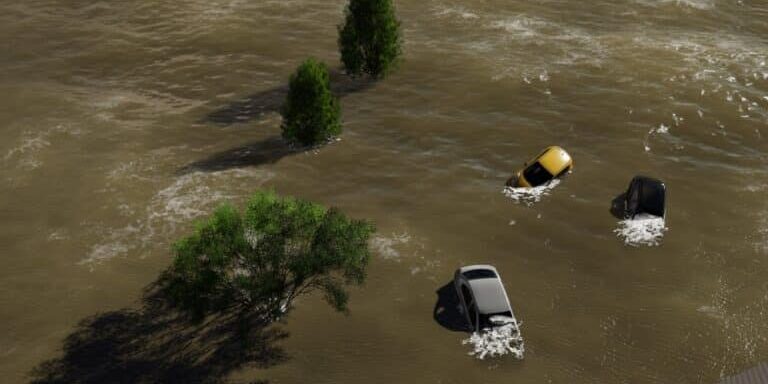
While Americans lit fireworks and toasted “freedom,” a wall of water tore through central Texas. Meteorological factors converged in a catastrophic overnight storm that heaved the Guadalupe River up 34 feet in 90 minutes. Neighborhoods and camps along the banks were obliterated. Among the victims were twenty-seven girls at a Christian summer camp, their lives ended before dawn.
At the time of writing, 109 deaths are confirmed. Many more remain missing.
Enter the Political Gravediggers
Even as rescuers sifted through wreckage and pulled bodies from the mud, Washington’s professional blame-casters were already in action. Senator Chuck Schumer fired off a letter pinning the catastrophe on Trump-era budget cuts to the National Weather Service. Representative Joaquin Castro echoed this on CNN, implying the dead were collateral damage in a partisan budget war.

Here’s the truth Schumer and Castro omitted: there is no evidence those staffing levels impaired flood warnings in any way. In fact, the claim evaporated the moment you checked the record.
What the Data Actually Says
The two NWS offices responsible for the region had ten vacancies, but only one could be traced to early retirements incentivized by Trump’s programs. Even the NWS union—no friend of staffing cuts—said manpower wasn’t the issue.
Warnings were issued hours in advance:
- A flood watch was sent the afternoon of July 3.
- The first flash flood alert hit phones at 1:14 AM, when the river was only up two feet.
- A “flash flood emergency” was declared at 4:03 AM as waters surged.
Meteorologists, including Matt Lanza—an outspoken critic of budget reductions—flatly stated that NWS and NOAA cuts had no bearing on this tragedy.
But acknowledging that would have deprived Schumer of a tidy headline. So instead, he and his allies framed a natural disaster as a convenient talking point.
The Real Questions Few Are Asking
Why did so many people fail to evacuate? It appears many either ignored the alerts or were so accustomed to false alarms that they didn’t take them seriously. That’s not a mystery. That’s what happens when you centralize alerts under a government monopoly with no competition or accountability.
Consider the parallel: the FDA becomes so risk-averse it delays life-saving drugs. The NWS, afraid of missing any hazard, over-alerts to cover its backside. The result? Alert fatigue. People start ignoring the pings on their phones because most of the time, nothing happens.
And let’s not forget the federal flood insurance boondoggle. Decades of subsidies have made it artificially cheap to build in known floodplains. This isn’t a right-wing or left-wing observation—it’s a basic fact of perverse incentives: when you protect bad risk-taking with taxpayer money, you get more of it.
Why the Siren Debate Misses the Point
In the aftermath, some have proposed expensive siren networks to wake people in the night. But tornado sirens are designed for people outdoors—not campers asleep in cabins or RVs. And spreading a siren infrastructure across remote riverside campgrounds would cost a fortune.
Meanwhile, the simplest, cheapest solution—households keeping a weather radio—gets almost no attention. Because it doesn’t require a big government contract or a flashy press conference.
A Nonpartisan Truth
If you strip away the opportunism, here’s what you see:
- The warnings worked as designed.
- People didn’t act.
- The government’s over-alerting likely desensitized them.
- Decades of federal subsidies encouraged building in harm’s way.
That’s the conversation no one in DC wants to have. Because it cuts across party lines and exposes how both big government and big business have collaborated to create fragile systems propped up by illusions of safety.
Bottom Line
The Texas floods are a human tragedy. But they’re also a reminder that in the aftermath of any crisis, the first casualty is always the truth. Don’t be fooled by choreographed outrage and selective memory. This isn’t about protecting people—it’s about protecting narratives.
Call to Action
If you’re tired of being lied to every time disaster strikes, start taking responsibility for your own preparedness. Download Seven Steps to Protect Yourself from Bank Failure by Bill Brocius. Because whether it’s a flood, a bank run, or the next crisis they swear “nobody could have predicted,” you can bet they’ll find a way to make it your fault.
Stay skeptical. Stay ready. Stay free.