America’s First Bank Failure of 2026 EXPOSES Systemic Fragility—Is the Digital Dollar Reset Closer Than You Think?

Metropolitan Capital Bank Collapses—Here’s What Happened
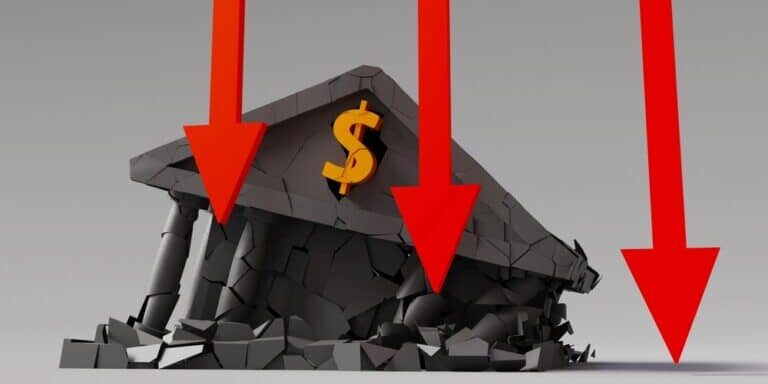
On February 2, 2026, Chicago-based Metropolitan Capital Bank & Trust became the first U.S. bank failure of the year, marking the second consecutive year a Chicago institution led the collapse parade.
State regulators shut the bank down due to “unsafe and unsound conditions” and an impaired capital position. The FDIC stepped in, appointed as receiver, and quickly brokered a deal with First Independence Bank, based in Detroit, to absorb the majority of the failed institution’s deposits and assets.
- $261 million in assets
- $212 million in deposits
- Estimated $19.7 million cost to the FDIC's Deposit Insurance Fund
Metropolitan had prided itself as a "Universal Bank" focused on small- to medium-sized businesses. Now, it joins a growing list of defunct institutions once deemed “innovative” or “boutique.”

Bank Failures Are Accelerating—And That’s No Accident
Let’s be crystal clear: this is not a fluke. Metropolitan Capital Bank is not an isolated casualty. Here’s the pattern:
- 2025: Pulaski Savings Bank fails—also in Chicago
- 2025: Santa Anna National Bank collapses in Texas
- 2017: Two major Chicago banks implode amid embezzlement and political corruption
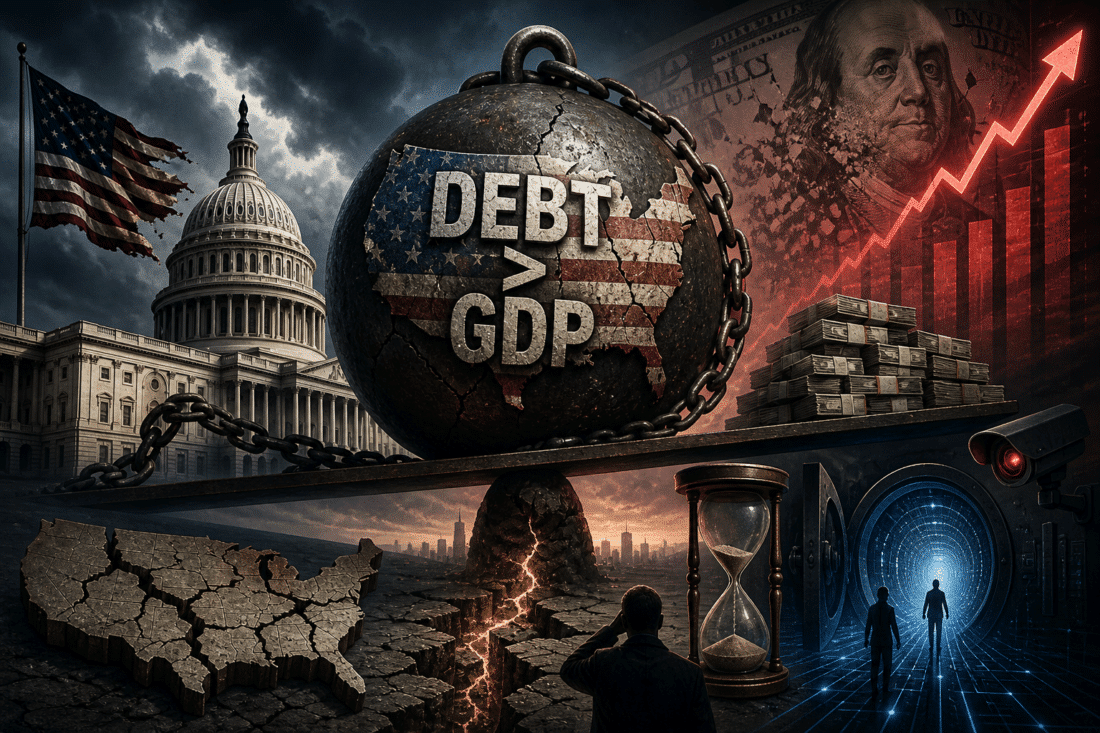
A system that once promised stability is now chronically exposed, and it’s not just about bad management. It’s about an economy buckling under the weight of:
- Unsustainable debt levels
- Rising interest rates
- Liquidity crunches for small and mid-sized banks
- And most of all, centralized overreach disguised as “rescue” policy
How FedNow & CBDCs Use Bank Failures to Tighten the Noose
Bank collapses like this serve a purpose for central planners. The narrative writes itself:
“Look how unsafe the current system is. What we need is a unified, digital, secure, government-backed monetary system.”
Enter:
- FedNow, the real-time payments backbone now fully operational
- CBDCs (Central Bank Digital Currencies), programmable, traceable, and fully controllable digital cash
- Government financial surveillance tools, quietly embedded into every “rescue solution”
When a regional bank fails, the average depositor breathes a sigh of relief when the FDIC steps in—but they miss the bigger play. Each failure justifies the next stage of monetary centralization, where financial autonomy is replaced by programmable compliance.
Programmable Money: Not a Theory—A Plan
What happens when all currency is digital, and your ability to transact can be throttled based on social compliance?
With CBDCs:
- Your spending can be tracked, limited, or expired
- Funds could be restricted by category (e.g. no cash withdrawals, no “unapproved” purchases)
- Access to your money could be gated by social credit or health compliance scores
The Digital Dollar Reset isn’t coming—it’s already being engineered. And every small bank failure is fuel to push it forward.
FDIC’s Insurance Fund Is Cracking—And That Means YOU Pay
The FDIC has promised that “no depositor will lose money.” That’s true—for now. But every bank failure chips away at the Deposit Insurance Fund, which is not unlimited.
- Metropolitan’s collapse alone: $19.7 million hit
- Add 2025’s failures and you’re looking at a multi-hundred-million-dollar burn rate
- All of it relies on government backstops, i.e. your tax dollars
When those stop working, the Fed’s answer will be to roll out CBDCs under the banner of “safety” and “stability.” But what they won’t tell you is this: they’re replacing bank risk with control risk.
How to Protect Yourself Before the Reset Hits
Waiting for the next collapse is not a strategy. Pretending that the system will self-correct is not wisdom—it’s denial. If you want to maintain financial sovereignty, you must:
- Diversify out of the traditional banking system
- Prepare for cashless enforcement
- Understand how CBDCs and FedNow will change your ability to save, spend, or resist
- Get the intel and tools you need to act now
Download The Digital Dollar Reset Guide—Before It’s Too Late
This free guide lays out:
- What the Fed won’t admit about its endgame
- How programmable money works—and how to avoid its traps
- Practical steps to defend your financial freedom
- How to sidestep the coming cashless grid
Click here to download The Digital Dollar Reset Guide now
This isn’t about “bad banking” anymore. It’s about a system being dismantled from within—so a more controlled, more compliant digital framework can replace it. And unless you prepare now, you may wake up one morning in a world where your money belongs to the system—not to you.