America’s Housing Crisis Isn’t a Mystery—It’s a Government Strategy

Trump Finally Said the Quiet Part Out Loud
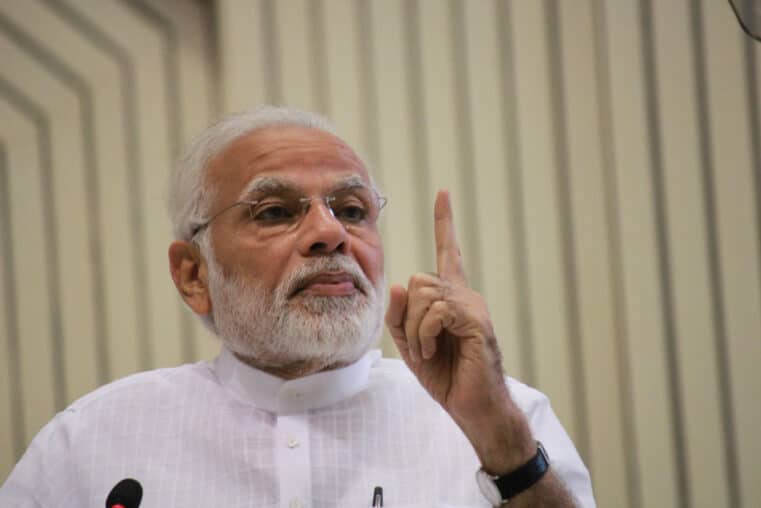
At a recent Oval Office press conference, Trump did something Washington usually avoids: he told the truth—accidentally.
He said he wants home prices to stay high.
Why? Because current homeowners like it that way. Their houses have been transformed from places to live into leveraged financial assets—often the single largest component of their net worth. Lower prices would feel like loss, even if lower prices would mean a healthier economy overall.

Trump admitted the contradiction outright: keeping prices high conflicts directly with making homes affordable for younger Americans. And yet, instead of choosing reality, he chose politics.
That alone tells you everything you need to know about where housing policy is headed.
You Can’t Defy Economics—Only Delay the Consequences
There is no policy that keeps prices high and makes housing affordable. That’s not ideology. That’s arithmetic.
When prices fall, affordability improves. When prices are propped up, affordability collapses. Every attempt to cheat that relationship requires subsidies, distortions, and force—and those interventions always benefit insiders first.
So when politicians promise affordability without price correction, what they’re really promising is more intervention, not solutions.
High Home Prices Are Not an Accident
For decades, federal policy has been laser-focused on one thing: increasing demand for housing while restricting or ignoring supply responses.
The toolkit is familiar:
- Government-backed mortgage buyers like Fannie Mae and Freddie Mac
- Federally insured loans through FHA and VA programs
- Endless subsidies framed as “help” for buyers
Subsidize demand, and prices rise. Every time. No exceptions.
And here’s the punchline bureaucrats never want to address: homeownership rates today are essentially the same as they were 45 years ago. Prices skyrocketed. Ownership didn’t.
The policy failed—unless its real goal was higher prices.
Monetary Manipulation: The Invisible Handcuffs
The most powerful driver of housing inflation isn’t zoning, greed, or speculation. It’s monetary policy.
When central planners suppress interest rates year after year, buyers stop thinking in terms of prices and start thinking in terms of monthly payments. That illusion allows prices to rise endlessly while affordability quietly evaporates.
In a real market, prices fall to meet buyers. In a manipulated market, cheap credit masks reality until it breaks something.
Low rates don’t make housing cheaper. They make housing more expensive—just stretched over 30 years.
Inflation Turns Homes into Lifeboats
There’s another effect politicians never admit: when currency is unstable, people flee into hard assets.
If money were a reliable store of value, fewer people would feel compelled to park their wealth in housing. But when inflation eats savings alive, real estate becomes a hedge—not a home.
This is how we ended up with a dangerous cultural shift: your house isn’t shelter anymore—it’s your retirement plan. And once that mindset takes hold, voters become emotionally invested in high prices, no matter how destructive those prices are to society.
The Most Egregious Move: Propping Up Prices on Purpose
After 2008, the gloves came off.
The central bank began buying trillions in mortgage-backed securities with one explicit goal: prevent home prices from falling.
This wasn’t subtle. It was corporate welfare—designed to protect banks and financial institutions from losses they should have absorbed.
Any market correction that would have restored affordability was smothered. Price discovery was suspended. Younger Americans were locked out, permanently delayed, or forced into debt peonage.
The Lobbyists Who Profit from Scarcity
The housing industry loves this system.
Realtors, mortgage bankers, and home builders openly pressure policymakers to keep rates low and keep mortgage assets off the chopping block. Their commissions depend on high prices. Their business model collapses without federal support.
Add to that a voting bloc dominated by older homeowners—who turn out far more reliably than renters—and you understand why politicians suddenly become allergic to falling prices.
High prices mean higher property taxes too, which makes state and local governments enthusiastic accomplices.
Everyone wins—except the people trying to buy a home.
The Solution Exists—but It’s Politically Forbidden
If policymakers wanted affordability, they could achieve it quickly:
- End central bank purchases of mortgage-backed securities
- Allow interest rates to reflect real market conditions
- Dismantle housing-related corporate welfare programs
- Let prices fall
Prices would drop. Dramatically. And buyers would appear the moment sellers accepted reality.
That reset would benefit young families, reduce cost-of-living pressure, and restore housing’s role as shelter—not a speculative vehicle.
Which is precisely why it will be resisted at all costs.
Final Word: Housing Is the Canary in the Coal Mine
Housing isn’t broken—it’s rigged.
And the same centralized monetary machinery inflating home prices is now being aimed at the entire financial system through programmable money, digital payment rails, and centralized control.
If you understand what’s happening to housing, you’re already ahead of most people. But understanding isn’t enough.
You need to prepare.
That’s why I’m telling you—clearly and without sugarcoating—to get the Digital Dollar Reset Guide by Bill Brocius right now.
This isn’t casual reading. It’s a field manual for surviving what comes next: centralized money, engineered scarcity, and economic control disguised as stability.
Download the Digital Dollar Reset Guide
Housing was the warning shot. Digital money is the endgame.