
India’s BRICS Betrayal? Modi Strikes Massive U.S. Deal as Digital Dollar Reset Accelerates

A “Friendship” That Shakes the Foundation of BRICS
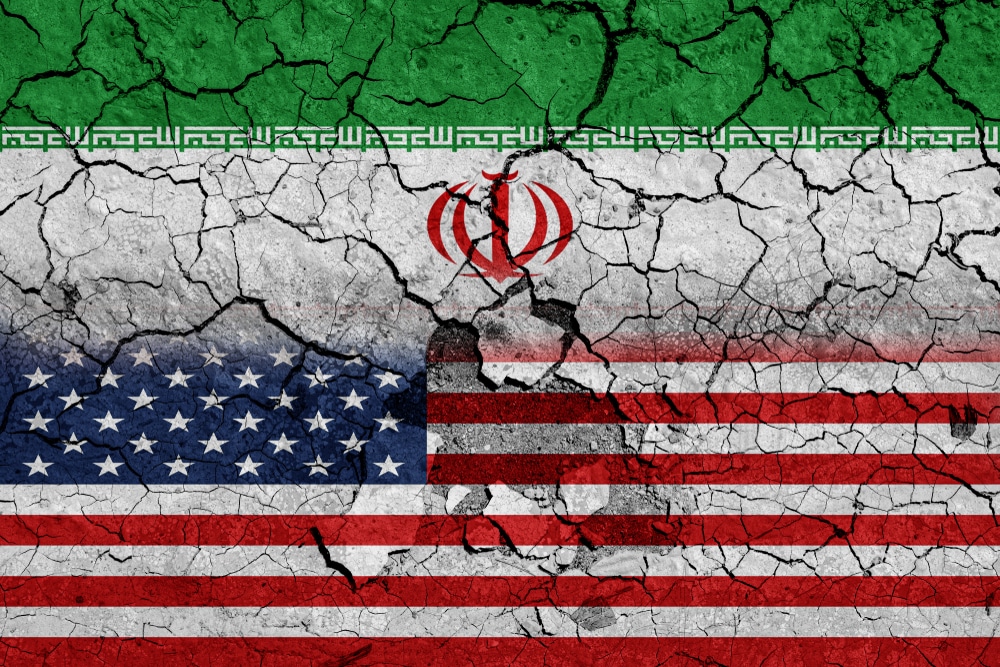
India, under Prime Minister Narendra Modi, has agreed to a sweeping trade deal with the United States that lowers tariffs, eliminates barriers, and includes a staggering $500+ billion commitment to purchase American goods. The deal, announced by former President Donald Trump on Truth Social and confirmed by Modi on X, represents far more than an economic handshake—it’s a strategic realignment with explosive implications. In fact, the India US trade deal shakes BRICS at its core, signaling a major shift in global alliances and the future of de-dollarization efforts.
Trump emphasized that the U.S. will reduce its 25% tariff on Indian goods to 18%, in return for India eliminating all tariffs and barriers on U.S. exports. Even more critical: Modi has committed to stop buying Russian crude oil, severing a key energy relationship that had been central to the BRICS bloc’s anti-dollar energy trade vision.
What This Means for BRICS and De-Dollarization
India currently serves as the chair nation of BRICS, the once-promising alliance of Brazil, Russia, India, China, and South Africa that sought to build a multipolar financial world, independent from U.S. dominance. One of its central goals? Undermining the global supremacy of the U.S. dollar through de-dollarized trade, CBDCs, and alternative cross-border settlement systems.

But with this deal:
- India aligns economically with the very power BRICS sought to oppose.
- The bloc’s coordinated push for a BRICS reserve currency becomes fractured.
- A key energy lifeline to Russia—a sanctioned BRICS peer—is cut.
This move isn’t just about tariffs—it’s a geopolitical betrayal of BRICS cohesion at a time when trust in traditional Western banking is already unraveling.
The FedNow & CBDC Connection: Why Timing Matters
India’s realignment couldn’t come at a more sensitive time. The FedNow payment system is already live in the U.S., quietly laying the infrastructure for a programmable, trackable digital currency regime. Across the globe, CBDC pilot programs are expanding, while financial surveillance mechanisms tighten through policy and technology alike.
India’s move may have been motivated by economic gain—but the timing benefits centralized digital currency expansion in the West. By cozying up to Washington, India may gain trade concessions, but it loses its ability to stand apart from a future dominated by financial surveillance and programmable money.
Strategic Risks to Financial Sovereignty
This should sound the alarm for anyone paying attention:
- The cashless society agenda is no longer theoretical.
- Governments are weaponizing finance—just look at Canada’s account freezes or EU-level ESG-based credit scoring.
- BRICS was one of the few remaining coalitions resisting this tide. And now it’s splintering.
India’s shift is a warning: global alliances will not protect your financial freedom. You must act individually to secure it.
Global Power Shifts Will Not Wait—Why You Must Prepare Now
With India leaning West and BRICS cohesion unraveling, the window to prepare is narrowing. The next financial crisis—whether triggered by a cyberattack, liquidity crunch, or geopolitical shock—could serve as the pretext for full-scale CBDC rollout.
And when that happens, your financial autonomy could disappear overnight:
- Programmable currency will restrict how and where you spend.
- Government surveillance will monitor every transaction.
- Capital controls will lock you into systems you can’t opt out of.
This is why preparedness is no longer optional.
Action Step: Download the Digital Dollar Reset Guide
If you understand the significance of what just happened between India and the U.S.—and the ripple effect it will have on your money—you must act now. I’ve prepared a comprehensive, no-nonsense guide to help you prepare for the next phase of this transformation.
Download the Digital Dollar Reset Guide and discover:
- How to exit the system before it's locked down
- Proven strategies to protect your wealth outside centralized banks
- Real steps to preserve privacy and sovereignty in the age of programmable money
Final Word: Trust the Trend, Not the Talk
India’s trade pivot isn’t just another news story—it’s a reality check. Alliances shift. Narratives change. But the march toward centralized financial control continues—unless you prepare.
Don't be caught exposed when the reset hits.
— Bill Brocius