The Fed Chair Shuffle Won’t Save the Dollar — And That’s Still Good News for Gold

The Headlines Say “New Fed Chair” — The Reality Says “Same Old Problems”
Whenever Washington starts shuffling names at the Federal Reserve, markets act like everything is about to change overnight. New chair, new direction, new era. But the deeper story of Fed Chair Shuffle and Gold shows that the real drivers—debt, easing policy, and currency pressure—remain exactly the same.
I’ve been around long enough to tell you: that’s rarely how it works.
Yes, Kevin Warsh is being positioned as less loyal to President Trump than some of the earlier rumored candidates. Yes, he’s perceived as more “serious” and more “independent.” But none of that magically erases the fundamental conflict at the heart of this story:

A heavily indebted government wants lower rates, and a central bank is stuck trying to look credible while enabling that debt.
That tension doesn’t disappear with a new nameplate on the Fed chair’s door.
Warsh Isn’t the Hawk the Market Thinks He Is
One of the key takeaways from this article is that Warsh is not meaningfully more hawkish than other candidates. Even analysts who welcome his nomination admit this.
He’s experienced. He’s pragmatic. He’s flexible.
And most importantly, he’s stepping into a role where the president has already made his expectations very clear: lower rates, easier money, and support for growth—no matter how uncomfortable that makes traditional Fed watchers.
If Warsh doesn’t deliver? The pressure campaign continues. The public criticism continues. The political tension continues.
So the idea that Warsh somehow “rescues” monetary discipline is more wishful thinking than serious analysis.
Fed Independence Is a Nice Idea — But Debt Always Wins
Some analysts argue that Warsh’s appointment reassures markets about the Federal Reserve’s independence. I get why they say that. On paper, it sounds comforting.
But let’s be honest with ourselves.
When a government is buried under trillions in debt, independence becomes negotiable. Interest expense alone can force policy decisions. You don’t need phone calls from the White House when the math already dictates the outcome.
That’s why this article quietly admits something important:
There’s a high probability the Fed cuts rates more than markets currently expect.
That’s not hawkish.
That’s inflationary.
And gold tends to like that.
The “Dollar Debasement Trade” Isn’t Going Anywhere
This is where many analysts get it right.
Even those who are cautious in the short term admit that every meaningful correction in gold lately has been bought quickly. Not because traders love volatility—but because the long-term trend hasn’t changed.
If anything, the ongoing tug-of-war between Trump and the Fed reinforces the dollar debasement narrative. Public attacks on the central bank don’t strengthen confidence in the currency. They weaken it.
Markets understand this, even if they don’t always admit it out loud.
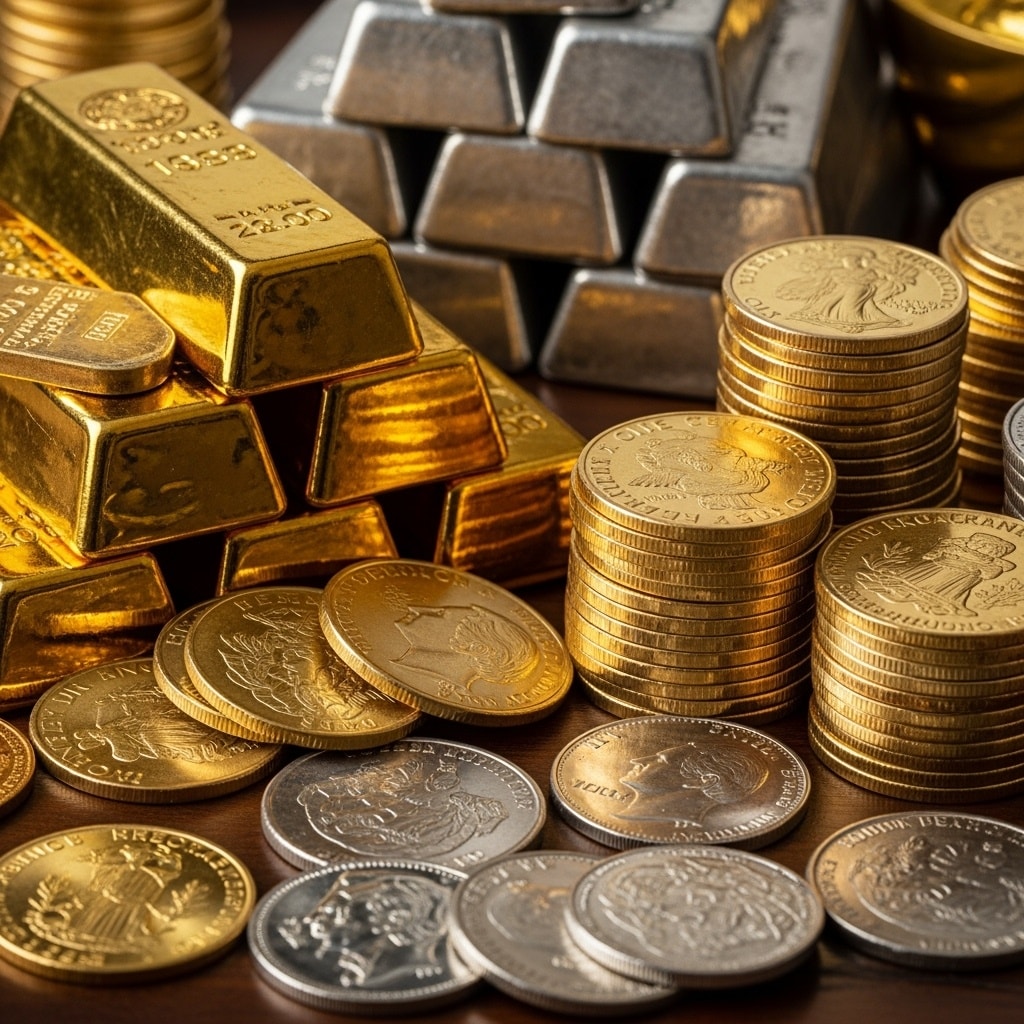
That’s why gold keeps finding buyers on dips. That’s why silver refuses to stay down. And that’s why talk of a new Fed chair hasn’t scared long-term holders away.
Short-Term Drops, Long-Term Support
Gold slipping below $5,000 during overnight trading grabbed headlines, but context matters.
This wasn’t a collapse driven by changing fundamentals. It was a reaction to uncertainty, positioning, and profit-taking after a massive run. Even the analysts quoted here frame it that way.
Corrections like this are pressure valves. They shake out leverage and emotion, but they don’t change the underlying direction when the structural forces are still intact.
And those forces are very much intact.
Confidence Is the Real Asset — And It’s Still Eroding
One analyst mentioned that Warsh’s most important job will be maintaining confidence in the Federal Reserve.
That’s the quiet tell in this whole story.
If confidence were strong, nobody would need to say that.
Confidence in institutions, currencies, and policymakers has been fading for years. That’s not a partisan statement—it’s an observable trend. And when confidence erodes, people don’t rush into paper promises. They look for tangible anchors.
That’s where gold comes in.
Final Thoughts — Different Chair, Same Destination
Kevin Warsh may bring a different tone to the Fed. He may be less openly aligned with the president. He may project steadiness.
But he inherits the same impossible job: manage inflation, support growth, service massive debt, and maintain credibility—all at once.
History tells us how that usually ends.
The Fed chair may change.
The headlines may change.
But the logic behind owning gold does not.
Your Next Step
If you want to stay ahead of these shifts—not reacting to headlines, but understanding what actually matters—I encourage you to join the Inner Circle.
That’s where we cut through the Fed theater, ignore the political noise, and focus on protecting real-world wealth in a system under strain.
Join the Inner Circle.
Because when confidence is the real currency, clarity is priceless.