BANK OF AMERICA SAYS “ALL IS WELL”—BUT ARE AMERICANS SLEEPWALKING INTO AN ENERGY SHOCK?

The Official Story: “Resilient” Consumers
Bank of America wants you to believe everything is fine.
Spending is up 6%.
Travel is booming.
Entertainment is thriving.
Unemployment sits at 4.3%.
On paper, it looks strong. It looks stable. It looks like the American consumer is powering through uncertainty.

That’s the narrative.
But narratives don’t pay your gas bill.
The Reality: Energy Prices Are Flashing Warning Signs
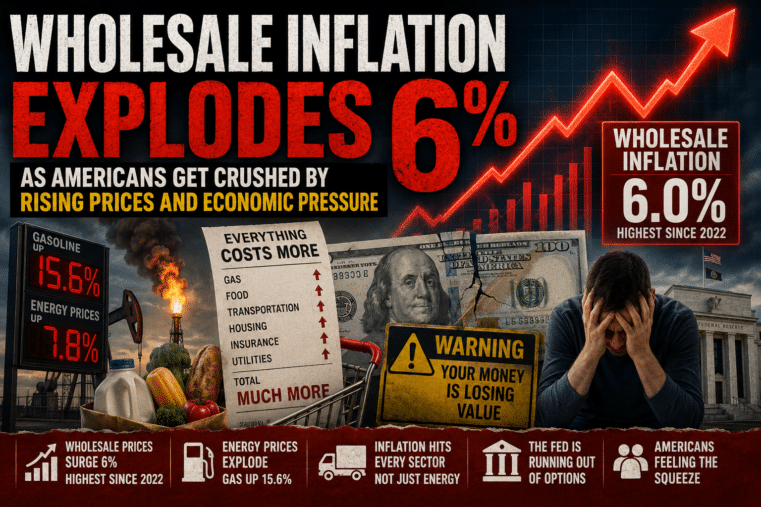
Gas is over $4 a gallon nationally. That’s not noise. That’s signal.
And it’s not happening in a vacuum.
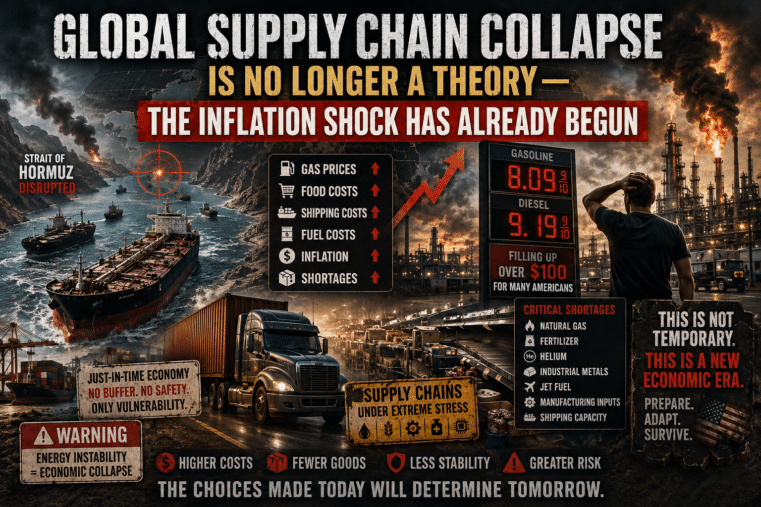
Global tensions—especially around the Strait of Hormuz—are pushing oil prices higher. That narrow strip of water controls a massive share of the world’s oil supply. When it heats up, your cost of living goes with it.
This is how it works:
- Conflict overseas
- Oil supply threatened
- Prices spike
- American households feel the squeeze
Simple. Direct. Unavoidable.
And yet… consumer behavior hasn’t changed.
Spending Like Nothing’s Wrong
Here’s the disconnect.
Even as risks rise, Americans are:
- Spending more on travel
- Spending more on entertainment
- Acting like tomorrow will look exactly like today
That’s not hedging. That’s exposure.
Because if consumers were preparing for volatility, you’d see the opposite:
- Pullbacks in discretionary spending
- More savings
- More caution
Instead, we’re seeing confidence. Or something that looks like it.
Resilience—or Complacency?
Bank of America calls this “resilience.”
But let’s be honest—there’s another way to read the same data.
What if this isn’t strength?
What if it’s:
- Short-term thinking
- Overreliance on credit
- Or simply a lack of options for households already stretched thin
Because here’s the truth: a lot of Americans aren’t hedging—not because they don’t care, but because they can’t.
When you’re living month-to-month, you don’t hedge. You react.
And by the time you react, it’s already too late.
The Lag Effect: Pain Doesn’t Show Up Immediately
This is where the banking narrative gets dangerous.
The data they’re citing is backward-looking.
Spending data tells you what already happened.
It doesn’t tell you what’s about to break.
Financial stress builds quietly:
- Savings get drawn down
- Credit balances creep up
- Minimum payments rise
Then suddenly—it hits.
What looks like stability today can turn into strain tomorrow.
Fast.
The Bigger Problem: Americans Aren’t Watching the Right Signals
Most people aren’t tracking oil chokepoints.
They’re not watching global shipping lanes.
They’re not studying geopolitical flashpoints.
But they are feeling it:
- At the pump
- At the grocery store
- In their monthly bills
The danger isn’t ignorance. It’s distraction.
While Americans are encouraged to keep spending, keep consuming, keep everything “normal,” the underlying risks are growing.
And the system benefits when you don’t notice.
The Bottom Line
Bank of America says the consumer is strong.
Maybe.
But strength without awareness isn’t strength—it’s vulnerability.
Spending is up.
Costs are rising.
Global tensions are escalating.
And the average American is being told everything is under control.
That’s a risky combination.
Take Action Before the Next Shock Hits
You don’t have to wait for the numbers to catch up with reality.
You don’t have to accept the narrative at face value.
Get informed. Stay ahead. Protect what you’ve earned.
Join the Inner Circle today for deeper insights and strategies to navigate what’s coming.