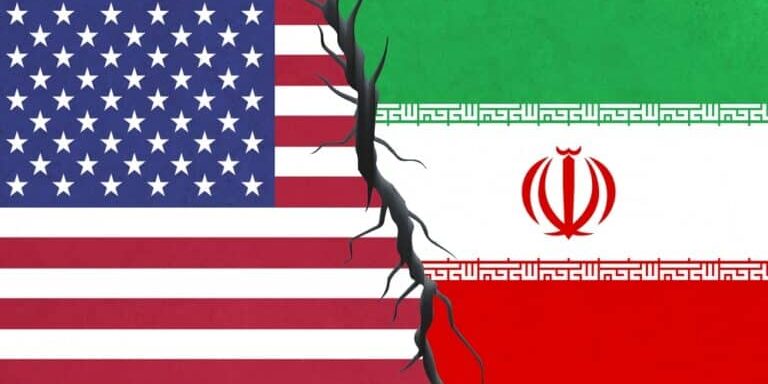
“Big Problems” Ahead: The World Edges Closer to the Brink—and Americans Will Feel It

A Line Drawn in Public
“Big problems.”
Short. Direct. No ambiguity.
That’s the message coming from the White House as reports surface that China may be preparing to send weapons to Iran—quietly, indirectly, through third parties.
China denies it. Calls it fabricated.
But the reality is this:
When warnings like that are issued publicly, the situation is already serious.
Lines are being drawn. And everyone is watching who crosses them.
The Shadow Game: Weapons, Proxies, and Plausible Deniability
This isn’t Cold War 2.0. It’s something murkier.
If weapons move, they likely won’t come with a label. They won’t arrive openly. They’ll pass through channels designed to blur responsibility.
That’s how modern conflict works:
- Indirect supply chains
- Strategic denials
- Quiet escalation
And the weapons in question—shoulder-fired missiles—aren’t symbolic.
They change battlefields.
They already have.
The Stakes: Control of the Skies—and the Message It Sends
These aren’t abstract tools. These are weapons that can take down aircraft. That already nearly have.
That matters for one reason:
It shifts the balance.
Not decisively. Not permanently. But enough to complicate everything.
And when military balance shifts, responses follow:
- Increased deployments
- Expanded operations
- Harder negotiating positions
One move triggers another. Then another.
That’s how escalation builds—step by step, decision by decision.
The Strait of Hormuz: Where Economics Meets Power
Now zoom out.
Because this isn’t just about missiles. It’s about leverage.
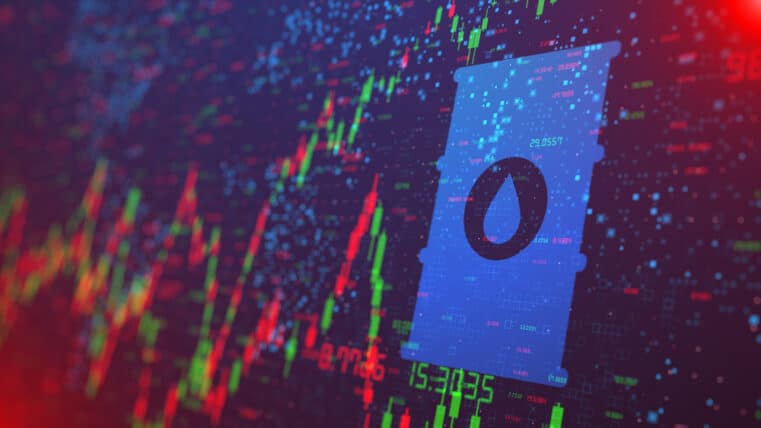
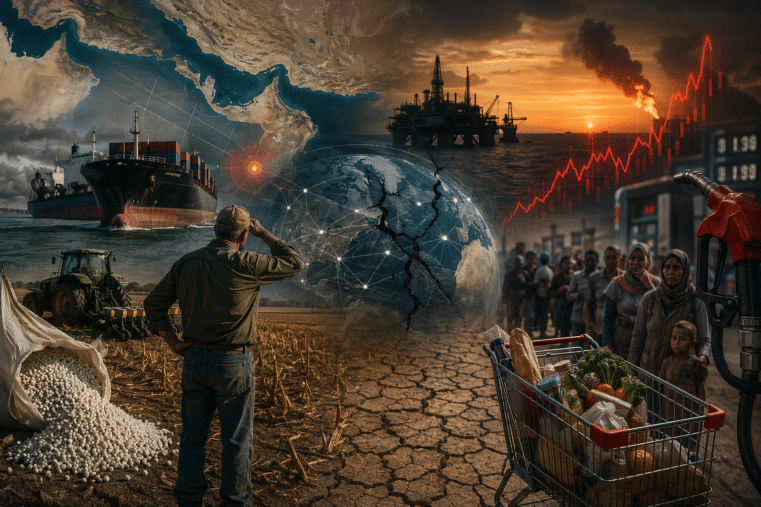
The Strait of Hormuz is one of the most critical energy chokepoints on the planet. A disruption there doesn’t stay regional.
It hits:
- Global oil supply
- Energy prices
- Shipping routes
- Inflation worldwide
A naval blockade isn’t just military strategy. It’s economic pressure—on Iran, on its partners, and indirectly, on everyone else.
Including Americans at the gas pump.
Negotiations Stall. Pressure Builds.
Talks are happening. Long hours. Closed doors.
No deal.
The core issue? Nuclear ambitions. خطوط that neither side appears willing to cross—or erase.
So what’s left?
More pressure. More positioning. More signaling.
When diplomacy slows down, other tools tend to speed up.
The Bigger Picture: Power Blocs Taking Shape
Step back far enough, and a pattern starts to emerge.
- The United States drawing hard lines
- China denying involvement while being watched closely
- Iran leaning on long-standing partnerships
This isn’t just a regional issue anymore.
It’s alignment.
Not formal alliances—but clear directions.
And when major powers begin clustering around shared interests, the margin for error shrinks.
What This Means Back Home
It’s easy to look at this and think: far away, not our problem.
But that’s not how this works anymore.
Global tension has local consequences:
- Energy costs don’t stay overseas
- Supply chains don’t respect borders
- Markets react faster than policymakers
And when uncertainty rises globally, instability tends to follow economically.
That’s the part that hits home.
This Isn’t About Panic—It’s About Awareness
There’s no benefit in overreacting. But there’s real risk in ignoring what’s unfolding.
This moment isn’t defined yet. It could cool down. It could escalate.
But the signals are clear:
- Tensions are rising
- Stakes are increasing
- Decisions are getting sharper
And when global pressure builds, it rarely stays contained forever.
Final Word: Watch the Moves, Not the Headlines
Headlines tell you what happened.
Movements tell you what’s coming.
Watch where resources are going. Watch how nations position themselves. Watch what happens around energy, trade, and military presence.
Because the real story isn’t in one statement or one denial.
It’s in the pattern.
And that pattern is still forming.
If you want to stay ahead of these shifts—and understand how global power moves translate into real-world consequences for your money, your security, and your future—don’t wait until it’s obvious.
Stay informed. Stay sharp. Stay prepared.