GLOBAL ECONOMY ON THE EDGE: WAR, OIL SHOCKS, AND THE COMING SQUEEZE ON EVERYDAY AMERICANS

THE IMF’S MESSAGE: UNCERTAINTY IS THE NEW NORMAL
Forget confident predictions. Those days are gone.
The International Monetary Fund is no longer telling the world, “Here’s what will happen.” Instead, they’re gaming out scenarios—best case, bad case, and downright ugly.
Why? Because everything now hinges on war and energy.

And war is chaos. War is unpredictable. War rewrites economies overnight.
Right now, even the IMF admits we’re drifting somewhere between “not great” and “getting worse.”
That should get your attention.
THE ENERGY CHOKEPOINT THAT CHANGES EVERYTHING
There’s one phrase buried in all this that matters more than anything else:
Strait of Hormuz.
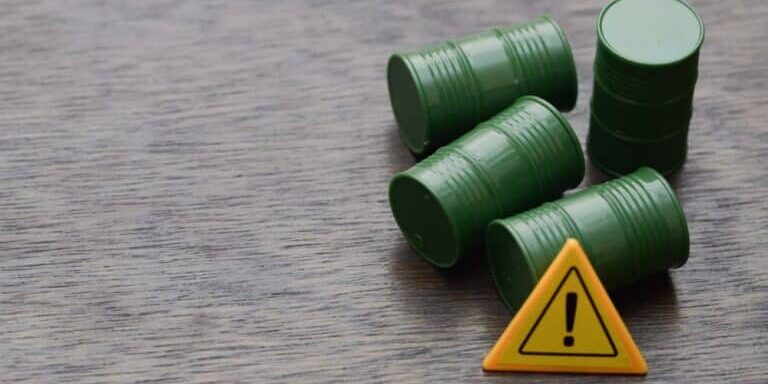
That’s not just geography. That’s a lifeline. A bottleneck for global oil and gas.
And when that flow tightens, everything else follows:
- Gas prices rise
- Food prices climb
- Supply chains strain
- Inflation surges
Every extra day of disruption pushes the world further away from stability.
And here’s the truth nobody wants to say out loud:
Modern economies are completely dependent on cheap, steady energy. Cut that off, and the system shakes.
THE THREE SCENARIOS: NONE OF THEM GREAT
Let’s strip away the fluff.
The “Best Case” (They Call It the Baseline)
- Global growth: 3.1%
- Inflation: 4.4%
Even this “good” outcome is weaker growth and higher prices.
That’s not prosperity. That’s managed decline.
The Adverse Scenario
- Growth drops to 2.5%
- Inflation jumps to 5.4%
This is where cracks start forming.
Markets get shaky. Confidence drops. Families feel the squeeze.
The Severe Scenario
- Growth falls to 2%
- Inflation exceeds 6%
This is where things get real.
Slow growth. Rising prices. Persistent pressure.
That’s the kind of environment where middle-class wealth gets quietly drained.
WHO GETS HIT THE HARDEST?
It’s not the elites. It never is.
The IMF admits the pain falls hardest on:
- Emerging economies
- Oil-importing nations
- Lower-income populations
In plain English: the people with the least cushion take the biggest hit.
Meanwhile, global financial institutions shuffle numbers, adjust forecasts, and move on.
THE U.S. OUTLOOK: STABLE… OR STAGNANT?
The IMF projects U.S. growth around 2.3% this year.
Sounds fine—until you look closer.
That’s slower than what policymakers are promising. Slower than what Americans need.
And when you combine that with persistent inflation?
You get something dangerous:
- Wages struggle to keep up
- Savings lose value
- Debt becomes heavier
That’s how wealth erodes—not in a crash, but in a slow bleed.
WHAT THEY’RE NOT SAYING OUT LOUD
Here’s the part the headlines won’t spell out:
This system is fragile.
It depends on:
- Stable geopolitics
- Open trade routes
- Predictable energy flows
Remove any one of those—and the whole structure starts to wobble.
And right now? Multiple pressure points are hitting at once.
THE BIGGER PICTURE: CONTROL VS. FREEDOM
When instability rises, so does control.
We’ve seen this pattern before:
- More intervention
- More centralized decision-making
- More pressure on individuals to absorb the cost
And while everyday people tighten their belts, the financial system keeps moving—protected, insulated, untouchable.
That divide? It’s growing.
FINAL WORD: PREPARE, DON’T WAIT
This isn’t about panic. It’s about awareness.
The global economy is entering a volatile phase. That’s not speculation—that’s coming straight from the IMF itself.
The question isn’t whether things will shift.
It’s how prepared you are when they do.
TAKE ACTION NOW
If you’re serious about protecting your financial future in uncertain times, don’t sit on the sidelines.
Because when the system shakes, the informed don’t panic—they act.