BRICS Defies Trump: The Venezuela Flashpoint That Could Reshape Global Power

A Dangerous New Front: Venezuela as the Proxy Battlefield
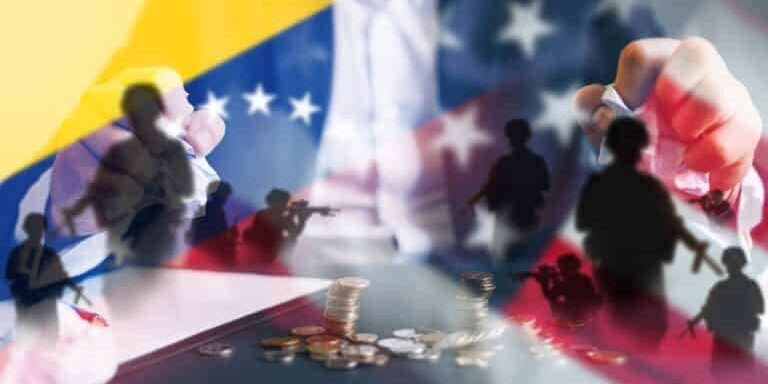
The BRICS bloc — led by China and Russia — has drawn a very public line in the sand by pledging support for Venezuela against U.S. sanctions and military pressure. While the diplomatic statements might seem symbolic, they signal a deeper geopolitical shift away from U.S.-led dominance toward a multipolar order.
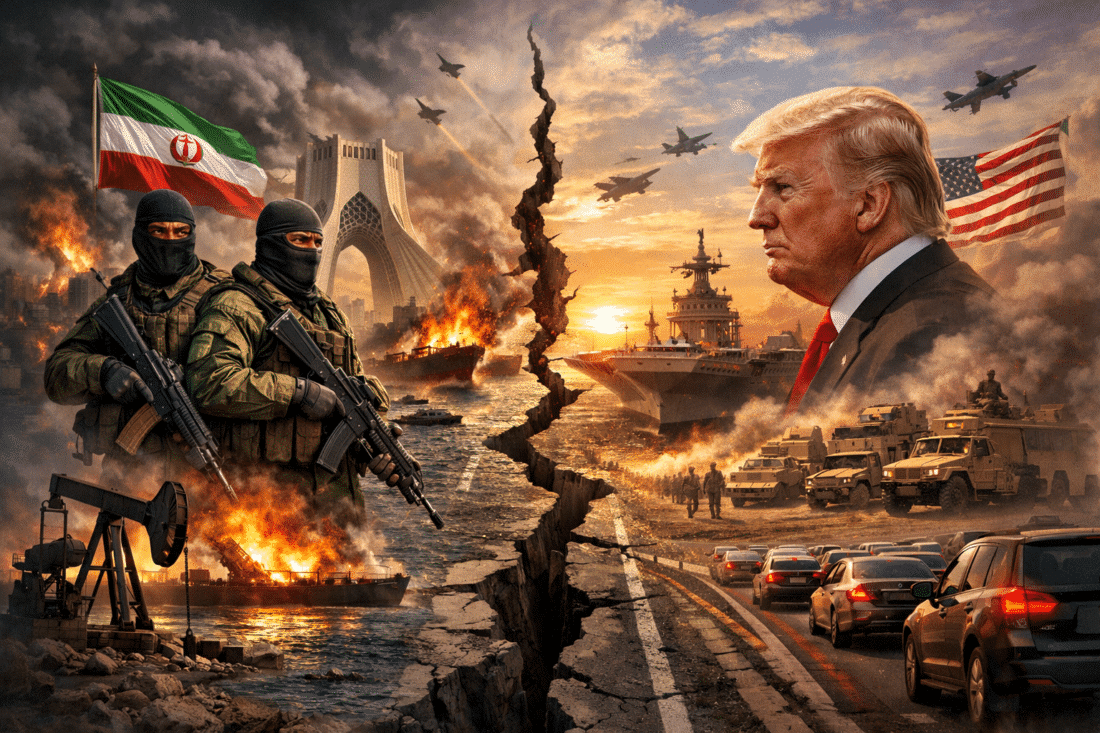
President Trump’s December 17 address, delivered amid swirling rumors of a war declaration, confirmed an aggressive posture: a “total and complete blockade” of Venezuelan oil tankers and the seizure of vessels allegedly violating sanctions or involved in drug trafficking. At the same time, the Trump administration is demanding Venezuela return oil rights and land nationalized in 2007 — a direct challenge to the country’s sovereignty.
While no shots have been fired between major powers, make no mistake: this is economic warfare with global implications.

China and Russia Respond: Symbolic or Strategic?
Both Xi Jinping and Vladimir Putin issued firm statements of support for Venezuela’s sovereignty:
- Putin praised Maduro’s leadership and reaffirmed Russia’s backing in “turbulent times.”
- Xi Jinping went further, categorically rejecting external interference and reaffirming China’s commitment to Venezuela’s “national dignity.”
Their words were not empty sentiment. These statements were issued during a summit with Venezuela’s Maduro, alongside expanded defense cooperation and pledges of mutual support — not just for Venezuela, but for Iran as well.
This isn’t about one oil-rich country. It’s about BRICS asserting itself as a counterforce to Washington — and about creating the political cover for nations to abandon the dollar-based trade system.
The Real Risks for Americans
While corporate media frames this as “Trump vs. Maduro,” here’s what’s really at stake for Americans:
1. Dollar Under Siege
Every time Washington uses sanctions and blockades to control international markets, it incentivizes other nations to leave the dollar system. If BRICS begins transacting Venezuelan oil in yuan or gold-backed alternatives, it chips away at the dollar’s global demand — and with it, your purchasing power.
2. Oil Supply Disruption
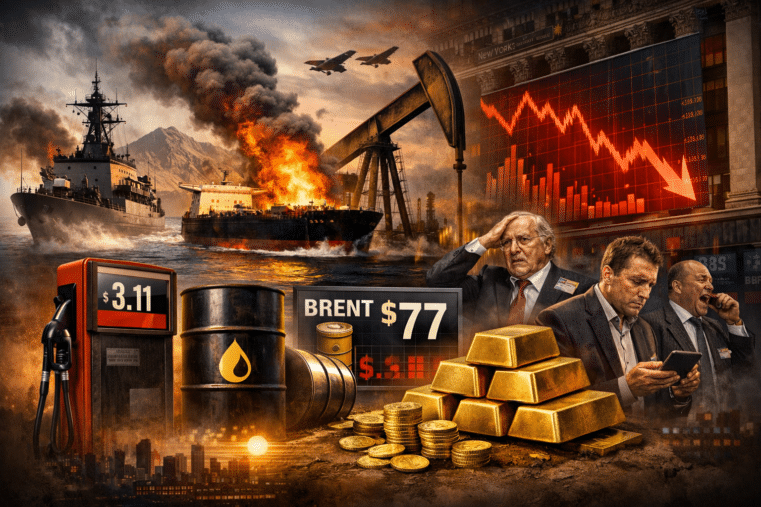
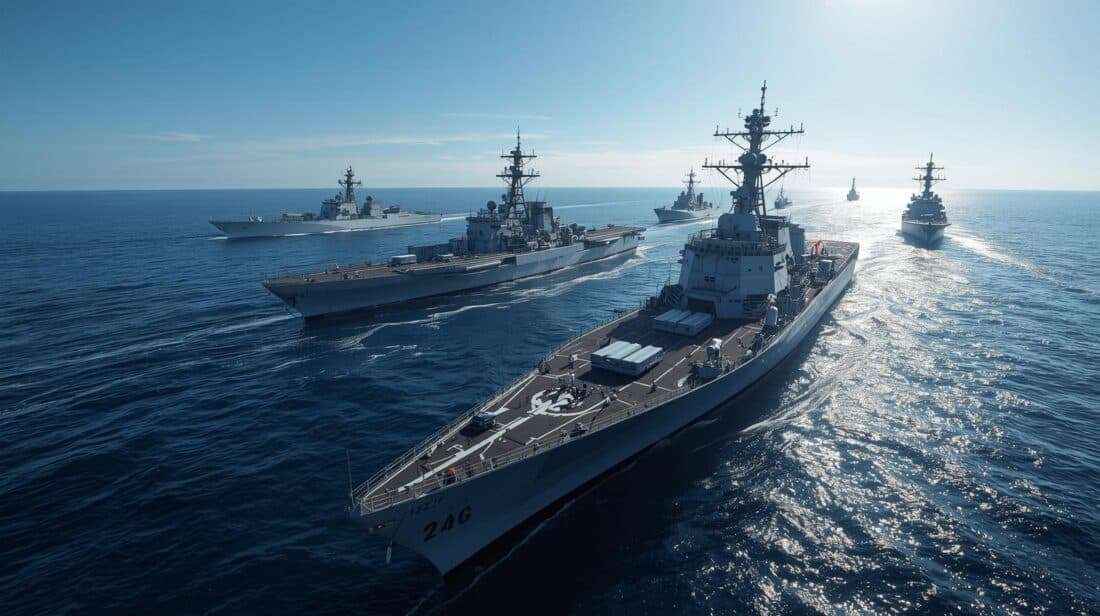
With U.S. military assets in the Caribbean and 15,000 troops deployed, this is not a drill. Any escalation could trigger oil price spikes, supply chain chaos, and inflation that dwarfs the last decade.
3. Backdoor Wartime Spending
Trump’s so-called “warrior dividend” of $1,776 per service member is being pulled from housing allowance funds — not from new revenue. This is wartime economics masquerading as economic stimulus. Congress passed it under the “One Big Beautiful Bill Act” with few knowing how those funds would be repurposed.
4. Media Manipulation
Tucker Carlson’s “imminent war” leak on Judging Freedom may have been a White House psyop to inflate ratings for Trump’s economic address. If that’s true, it’s a chilling glimpse into how consent is manufactured, and how easy it is to push America into yet another foreign entanglement.
Is BRICS Really Going All-In?
Despite the fanfare, experts are warning that BRICS’ support for Venezuela is limited in practical terms. Russia is already overstretched in Ukraine. China is managing fragile trade ties with the U.S.
But that doesn’t mean the threat is empty. In geopolitics, symbolism precedes strategy. And what we’re seeing now is the formation of a clear ideological divide: sovereignist, resource-rich states allying to reject U.S. financial control.
Whether or not troops are sent, the consequences for the global economic order are already unfolding.
This Isn’t Just About Venezuela. It’s About Control.
Let’s be honest. Venezuela is the latest in a long list of U.S. foreign targets — from Libya to Iraq to Syria — where energy resources are central, and where “freedom” is often a pretext.
The difference now is that Washington faces a coordinated resistance. The BRICS bloc — emboldened by de-dollarization efforts, growing trade alliances, and diplomatic immunity from each other — is challenging the notion that America gets to dictate who sells oil, to whom, and in what currency.
And that makes this moment historically significant.
Conclusion: The Next Crisis Is Already in Motion
Don’t be fooled by the theatrics of press conferences and tariff-funded bonuses. What we’re seeing is a tectonic shift — one where the U.S. is losing the ability to bully nations economically without consequence.
You don’t have to wait for the crash to start preparing.
Only One Step Matters Right Now
If you’re serious about staying informed and protecting your wealth through what comes next, there’s only one action to take:
👉 Join Bill Brocius’ Inner Circle for direct, unfiltered insights into the financial war now unfolding.
Bill’s newsletter is where you’ll get the real intel: weekly breakdowns, historical context, and precise steps to hedge yourself against currency collapse, bank failures, and authoritarian overreach.
Join the Inner Circle for just $19.95/month here.
Don’t wait for Washington to admit the crisis.
Stay informed. Stay sovereign.
— Eric Blair
Economic Journalist, Dedollarize News