
U.S.–Israel Strike Kills Iran’s Supreme Leader — What Might It Mean for GOLD

What Happened: The Strike on Iran
In a major military operation, the United States and Israel launched strikes across Iran targeting key military and leadership sites. Iranian state media later confirmed that Supreme Leader Ayatollah Ali Khamenei was killed in the attack, along with several members of his family, prompting Iran to announce a period of national mourning. The operation — described by U.S. and Israeli officials as a coordinated offensive — has also killed other top Iranian commanders and officials. The political leadership in Tehran is now in flux and the situation remains highly unstable as retaliatory strikes and regional tension persist.
Why This Matters for Investors
The death of a sitting head of state — especially one who has led a powerful regional player for decades — is not a minor event. It instantly amplifies geopolitical risk, and markets respond to risk before it fully materializes. That’s where gold comes in.
1. Heightened Geopolitical Risk Drives Safe-Haven Buying
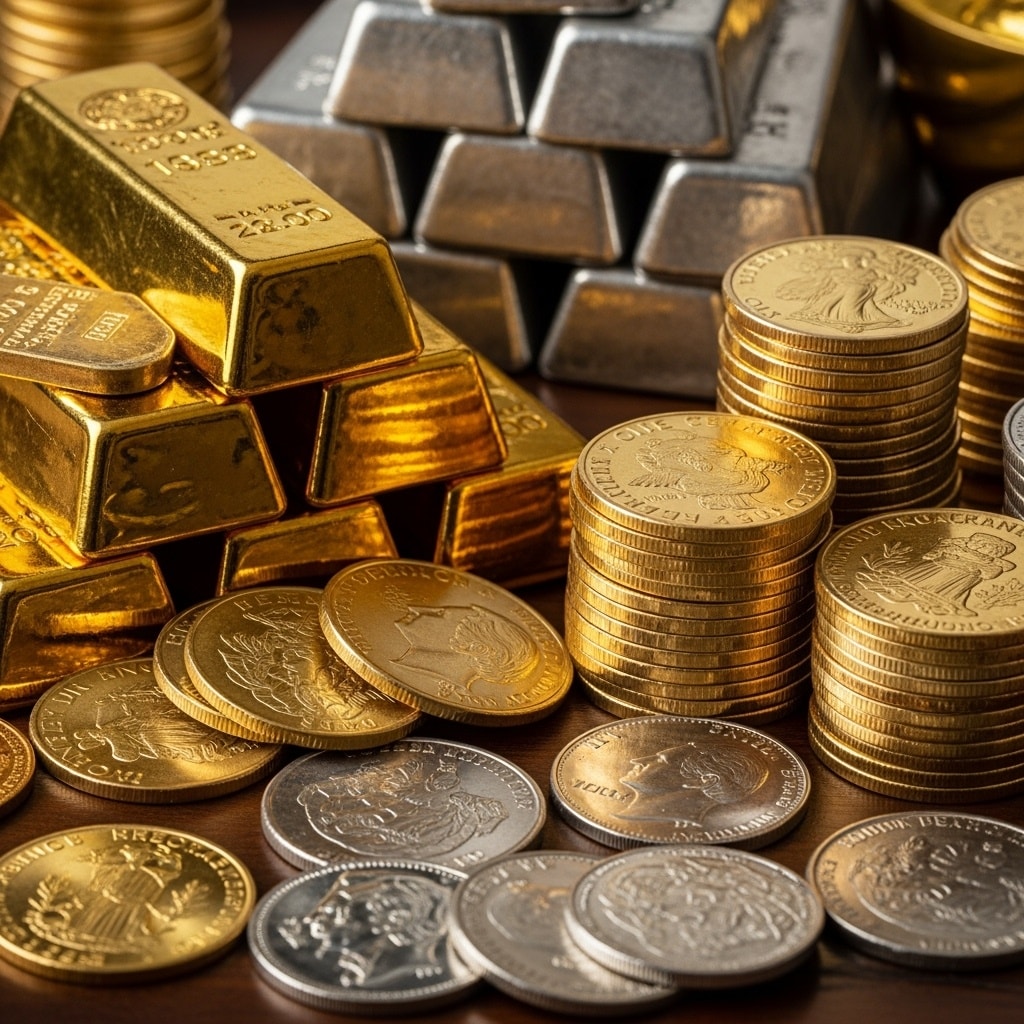
When uncertainty spikes — whether due to an unexpected military move, a regime change, or fears of broader conflict — capital flows out of risk assets and into havens. Gold sits at the top of that list because it isn’t tied to any one country’s economy or financial system.
This isn’t theoretical. Gold historically rallies when nations veer into unpredictable conflict zones because investors buy insurance against outcomes they can’t control.
The Psychology of Holding Gold in Times Like This
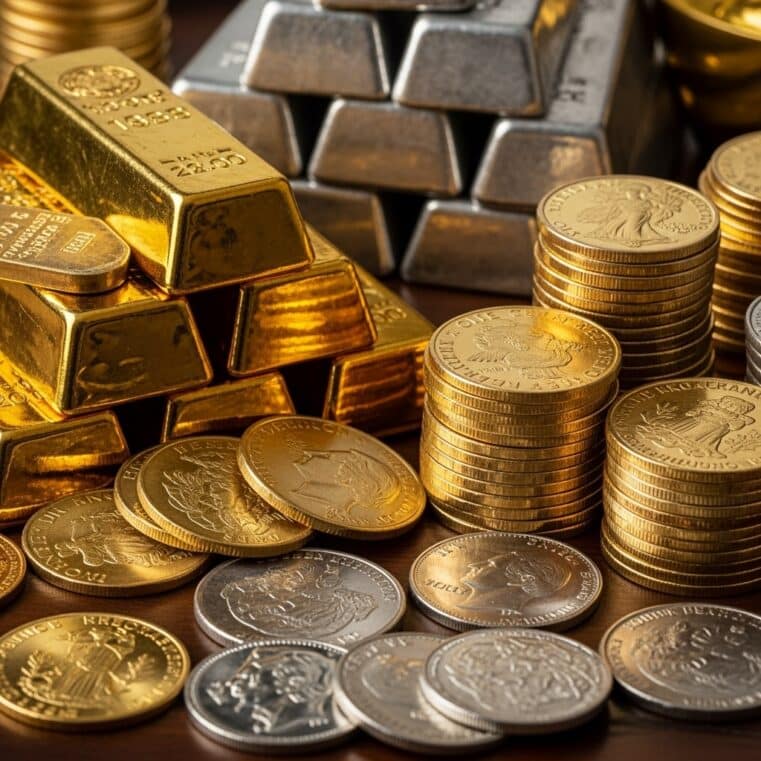
Gold isn’t just a commodity — it’s a store of confidence.
- Uncertainty sears demand: When political leaders are killed and retaliation looms, confidence in stability and financial predictability drops.
- Safe-haven flows increase: Stocks, corporate debt, and even sovereign bonds can be vulnerable in stormy times — but gold is perceived as a rock in the storm.
- Market structure becomes secondary: In a full panic, fundamentals matter less than fear itself — and fear is bullish for gold.
This is exactly why investors who already held gold or silver are reluctant to sell now — and why others are adding on dips.
What This Means for Market Trends and Monetary Policy
Even before this event, there were structural pressures on markets: swelling global debt, uneven growth, and unresolved geopolitical flashpoints. Those issues haven’t gone away — they’ve just been shoved into the spotlight.
When investors see geopolitical risk intersect with economic risk — like inflation that refuses to go away or central banks struggling to navigate policy — gold becomes a dual hedge:
- Against economic instability
- Against geopolitical instability
This dual hedge dynamic is exactly why gold prices often climb during periods of crisis.
Silver, Volatility, and Safe-Haven Dynamics
Silver often mirrors gold’s safe-haven behavior but with more volatility due to its industrial demand component. In times of heightened risk sentiment, that volatile streak can work to an investor’s advantage — silver can outperform on sharp risk repricings.
My Take: Why This Reinforces the Gold Case
Here’s the bottom line for readers who understand wealth protection:
When risk spikes unpredictably — especially on a geopolitical event of this scale — confidence in the status quo collapses. That makes gold more attractive, not less.
People aren’t buying gold because markets are calm. They’re buying gold because the world suddenly feels riskier, and they’d rather hold something with intrinsic value than sit in assets tied to political or financial risk.
That’s not a speculative narrative — that’s a behavior pattern we’ve seen time and again across decades of market history. And right now, with uncertainty elevated and no clear end to this crisis in sight, gold is acting exactly how it’s supposed to: as insurance during dangerous times.
Join Inner Circle
If you want real-time insights and in-depth analysis on how events like this move markets and what to do about it, join Inner Circle for expert guidance tailored to investors who take wealth protection seriously.