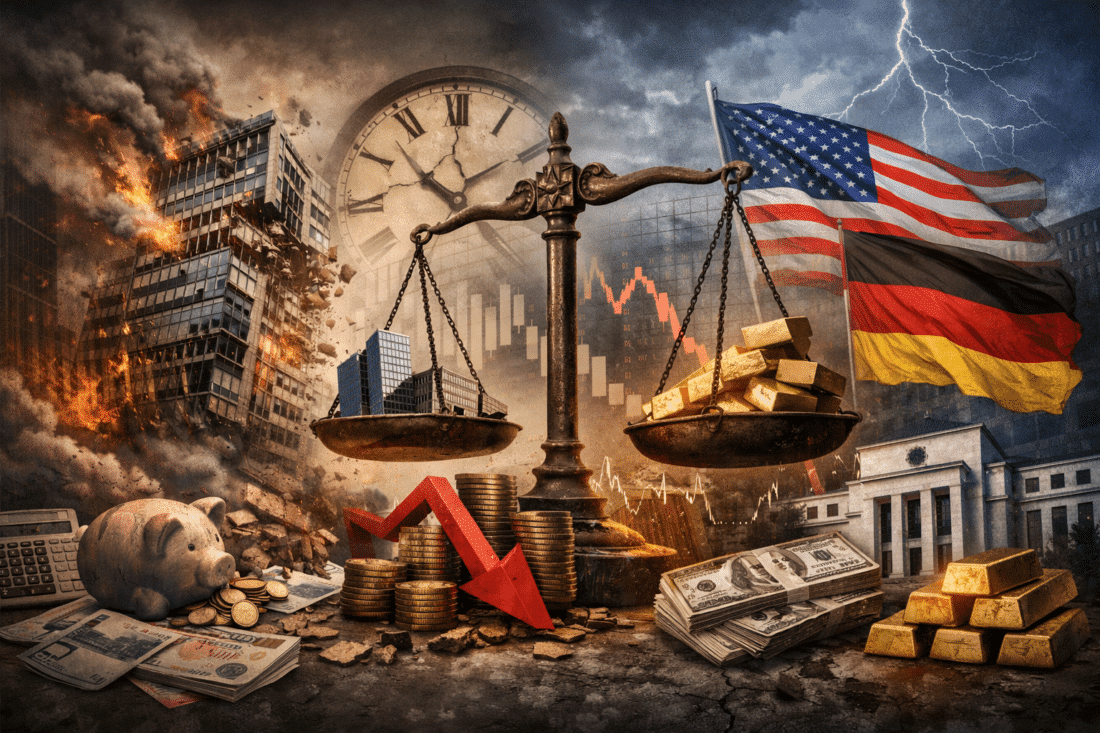
BRICS vs. G7: The Rare Earth Battle That Could Reshape Global Power

The New Oil of the 21st Century
Rare earth minerals are not rare in name only. They are the backbone of modern civilization.
They power:
- Advanced semiconductors.
- Electric vehicles.
- Fighter jets and missile systems.
- Wind turbines and advanced batteries.
- Smartphones and AI data centers.
Control rare earths — and you influence the modern economy.

According to current estimates, BRICS nations collectively control roughly 70%+ of known rare earth reserves. China alone dominates global refining capacity, which may matter even more than the raw deposits themselves.
That’s not a minor imbalance. That’s strategic leverage.
The Hard Reality: Refining Is Power
The United States does have rare earth deposits. Mountain Pass in California is proof of that.
But here’s the uncomfortable truth: a significant portion of that material is still sent abroad for refining — much of it to China.
Owning raw ore is one thing.
Controlling processing capacity is another.
If a geopolitical dispute escalates, supply chains can tighten overnight. Prices spike. Production slows. Strategic industries feel pressure.
In a world where economic competition is intensifying, dependency becomes vulnerability.
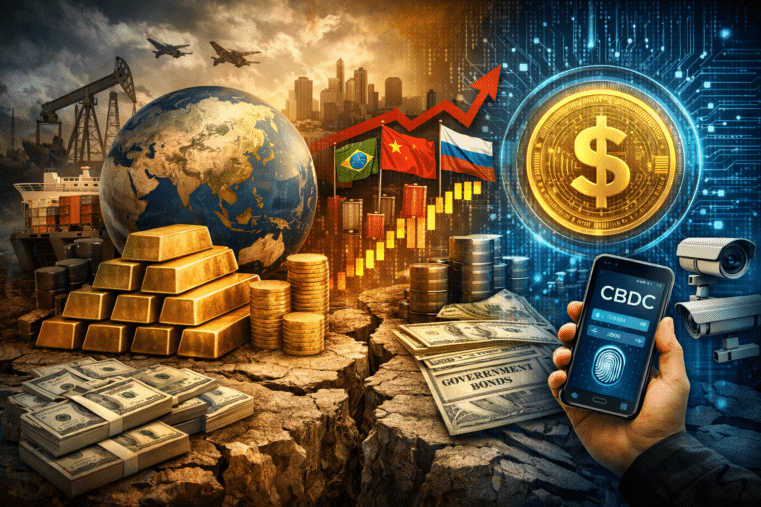
BRICS and the Leverage Question
BRICS nations — particularly China — are positioned to influence supply flows through export policies and production decisions. We’ve already seen examples of export restrictions being used as diplomatic tools in the past decade.
This is not speculation. It’s precedent.
When one bloc controls a large share of critical materials:
- Trade negotiations change.
- Currency discussions change.
- Industrial strategy changes.
This is where the dollar conversation enters the picture.
What This Means for the U.S. Dollar
For decades, global trade has largely operated in dollars. That status has given the United States enormous financial flexibility and influence.
But resource control matters in currency dynamics.
If major commodity producers increasingly settle trade in non-dollar currencies — whether yuan, rupees, or bilateral agreements — that gradually reduces dollar demand at the margins.
No, this does not mean the dollar collapses tomorrow.
But long-term shifts happen slowly — then suddenly.
If emerging economies coordinate trade policy around critical minerals, that creates incentives for alternative settlement systems.
The question is not panic.
The question is preparedness.
America Owns the Brands — But Who Owns the Inputs?
The United States remains home to innovation giants:
- Apple
- Nvidia
- Tesla
- Lockheed Martin
But innovation requires materials.
The modern economy runs on global supply chains built over decades. Those supply chains prioritized cost efficiency. Not always resilience.
Now policymakers in Washington are talking about “de-risking,” reshoring, and strategic partnerships. The $550 billion minerals pact with Japan is part of that shift.
It’s a start.
But rebuilding industrial depth takes time.
And geopolitical competition does not pause.
What’s Really at Stake
This isn’t about cheering for one bloc or another. It’s about recognizing the stakes.
At risk are:
- Supply chain stability.
- Defense readiness.
- Industrial competitiveness.
- Currency influence.
- Economic sovereignty.
When essential materials are concentrated in the hands of strategic competitors, policymakers must respond thoughtfully and decisively.
America has enormous strengths:
- Deep capital markets.
- Technological leadership.
- Energy independence gains.
- Strong alliances.
But strength must be matched with strategy.
The Strategic Crossroads
The rare earth debate is not just a headline.
It’s a crossroads.
Do we double down on rebuilding domestic capacity?
Do we strengthen alliances with resource-rich partners?
Do we diversify refining infrastructure?
Or do we assume market forces alone will solve a geopolitical challenge?
History shows that resource dominance often shapes global eras — from oil in the 20th century to data and minerals in the 21st.
The United States still has the tools to compete.
But awareness must come first.
The Bottom Line
BRICS’ advantage in rare earth reserves and refining capacity is real. It shifts negotiating power. It influences trade dynamics. It has implications for the long-term position of the U.S. dollar.
This is not cause for panic.
It is cause for clarity.
The global economic order is evolving. Supply chains are becoming strategic instruments. And the next decade will determine whether America strengthens its footing — or plays catch-up.
If you want deeper analysis on the forces reshaping global finance, industrial power, and the future of the dollar, you need insight beyond the headlines.
Join the Inner Circle today for exclusive research, strategic briefings, and direct analysis you won’t find in the mainstream press.