Gas Is Cheap, but the Dollar Still Burns: Why Energy Relief Won’t Save You from What’s Coming

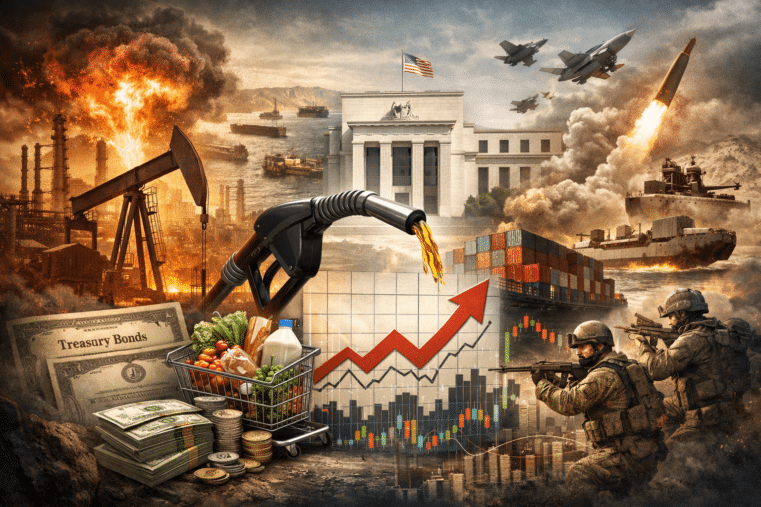
Americans headed into Labor Day weekend with a little more money in their pockets — $3.15 gas on average, the lowest we’ve seen in half a decade. According to FOX Business, that’s thanks to President Trump’s push for American energy dominance, and for drivers at the pump, it’s a welcome change from the inflation shock of the last four years. But here’s the hard truth:
The relief is temporary. The damage is permanent.
Because while we cheer falling gas prices, the dollar quietly continues its long, irreversible decline — and those still clinging to it like a life raft are about to discover it’s made of paper and holes.

A Moment of Relief Doesn't Equal Long-Term Strength
Let’s not kid ourselves. Yes, gas prices are lower — but that’s partly because demand is falling. Consumers are overextended, credit cards are maxed out, delinquencies are rising, and household savings have dried up. We’re seeing lower prices not just because of smart energy policy, but because the economy is quietly slowing down beneath all the campaign-season chest-pounding.
Remember: you don’t get to declare victory in a war you’re still losing. The American economy is floating on borrowed time and borrowed money. The dollar is still hemorrhaging value every year. And whether gas is $3.15 or $5.15, the underlying system of fiat currency and debt-fueled growth is rotting from within.
And if you’re still holding dollars as your primary store of wealth — with no hedge in tangible assets — you’re exposed.
Gold, Silver, and Cryptos: The Lifeboats for What's Coming
We’ve seen this movie before. Every time a fiat currency enters its twilight years, there are a few warning signs that history never fails to flash:
- A government drowning in unpayable debt
- A public increasingly dependent on subsidies and welfare
- A media class obsessed with surface-level economic “wins”
- A monetary authority that masks insolvency with cheap money
Sound familiar?
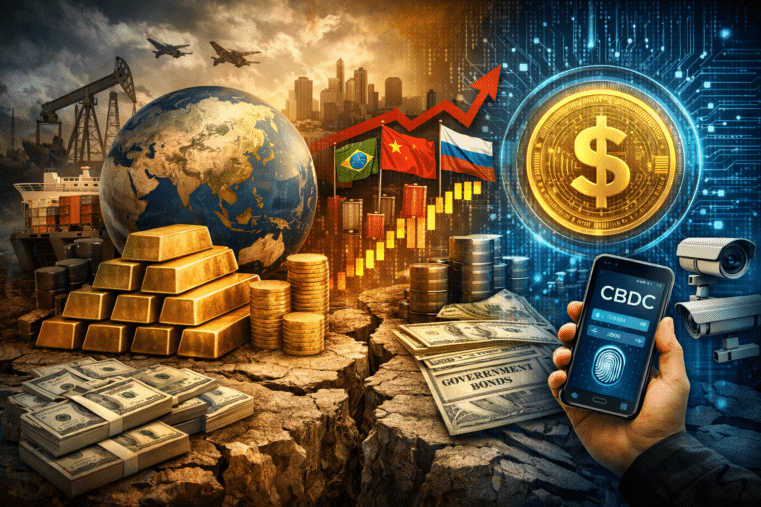
Meanwhile, global players — including nation-states, banks, and billionaires — are quietly rotating out of paper and into tangible, unprintable assets.
- Gold: Not for speculation, but for survival. Central banks have quietly hoarded over 1,000 tons of gold per year over the last two years. Why? Because they know what’s coming.
- Silver: Industrial demand + monetary history = double leverage. When currencies collapse, silver doesn’t just protect — it accelerates.
- Decentralized digital assets: No counterparty risk. No centralized control. And no bailout needed.
⚠️ A Necessary Word of Caution on Cryptos:
While cryptocurrencies offer an escape from centralized monetary control, they are not without risk. They have no intrinsic value, are subject to extreme volatility, and depend entirely on the functioning of the internet and electricity grid. If infrastructure fails, they may not be accessible — unlike gold or silver, which you can hold in your hand. Use them wisely, but don’t mistake them for hard assets. They’re a tool, not a foundation.
If your portfolio is still 100% fiat, still entirely within the banking system, or worse — sitting in a savings account earning 0.5% while inflation continues to run hot — you’re the easy target when the next domino falls.
The American Middle Class Is the Last to Know
Here’s the tragedy: the American working and middle classes — the backbone of the country — will be the last to realize what’s happening. While gas drops a dollar, they assume everything’s going back to normal.
It’s not.
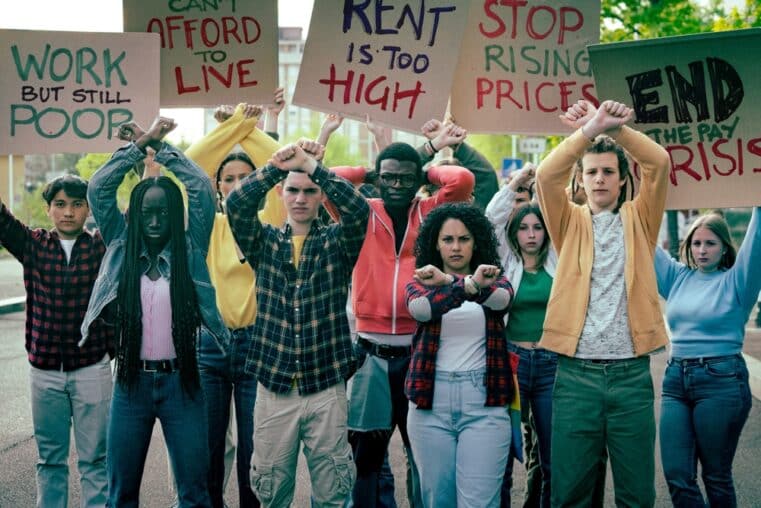
The cost of housing, food, and insurance has exploded over the last five years. Property taxes are out of control. Car prices remain absurd. And wages, adjusted for inflation, are stagnant. So when FOX Business runs a feel-good piece about “affordable gas,” don’t mistake it for a return to prosperity. It’s an opiate — a carefully timed, pre-election pressure valve release.
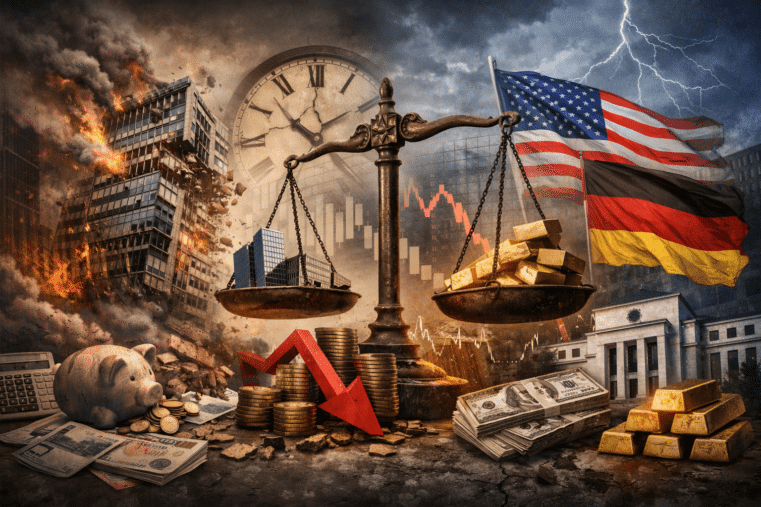
The long-term structure of the U.S. dollar has not changed. The empire still relies on endless borrowing, a permanent deficit, and a monetary system built on trust — trust that is rapidly unraveling across the globe.
This Isn’t Doom. It’s Preparation.
I’m not writing this to scare you. I’m writing this because you still have time to act.
Every day, more Americans realize their savings are vulnerable. Every week, more people ask me how to protect their assets. And every month, another bank edges closer to insolvency under the weight of bad loans, falling bond prices, or an overleveraged commercial real estate portfolio.
Bill Brocius has been ahead of this for years. His book End of Banking As You Know It predicted much of what we’re seeing today. And his Inner Circle newsletter has given me — and thousands of other Americans — a clear, actionable plan to secure what we’ve earned before it’s swallowed up by the next crisis.
So I’ll tell you exactly what I tell my readers, my family, and anyone who’ll listen:
- Get your money out of harm’s way.
- Own real assets.
- Hold wealth in forms that can’t be printed or frozen.
And if you don’t know where to start, download the free guide from Bill’s team:
“7 Steps to Protect Your Account from Bank Failure.”
It’s not just a checklist — it’s a roadmap for financial independence.
Final Word: Energy Is a Weapon. So Is Currency.
Let me leave you with this: wars are no longer just fought with missiles or tanks. They're fought with energy policy and monetary manipulation.
Trump's push for energy sovereignty is a step in the right direction — but it won’t be enough if the dollar collapses under its own weight. Lower gas prices are a tactical victory, not a strategic one. Don’t let a cheap fill-up distract you from the ticking clock behind the financial system.
You cannot vote your way out of this. You cannot “wait and see.” You cannot afford complacency. You must act now.
Your wealth is your responsibility.
—Eric Blair