Global Tariff Shock: Trump’s 15% Import Tax Could Accelerate Inflation

A 15% Global Tariff Is Coming
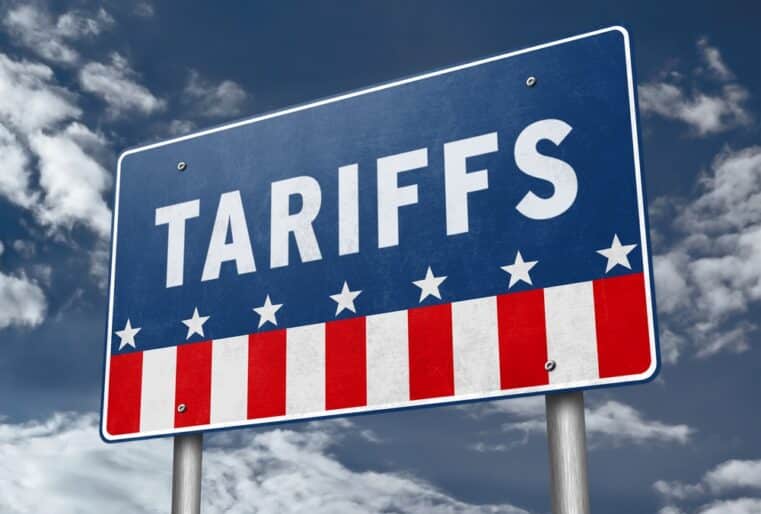
Treasury Secretary Scott Bessent confirmed that the administration plans to implement a 15% global import tariff, increasing the temporary rate from 10% sometime this week.
The tariffs will initially operate under Section 122 of the Trade Act of 1974, a mechanism that allows temporary trade actions for up to 150 days.
During that window, the administration plans to rebuild the tariff program under more durable authorities:

- Section 301 — tariffs tied to unfair trade practices
- Section 232 — tariffs justified under national security concerns
These legal pathways have historically been more resistant to court challenges, suggesting that the tariffs could become longer-term policy rather than a short-term measure.
Tariffs Are Essentially a Tax on Imports
Despite political framing on both sides, tariffs are economically straightforward.
They are taxes placed on imported goods.
When tariffs rise, companies importing products or materials into the United States typically have three options:
- Raise prices
- Absorb the cost in their margins
- Shift supply chains
In practice, most of the cost tends to flow through to consumers and businesses.
That means higher tariffs often translate into higher prices across parts of the economy.
Tariffs and Inflation Often Go Hand in Hand
This is where the timing becomes important.
The economy is already dealing with persistent inflation pressures and uncertainty in the bond market.
Adding broad tariffs into the mix can create additional upward pressure on prices through:
- higher manufacturing input costs
- more expensive consumer goods
- increased supply chain friction
Even modest price increases across thousands of imported products can gradually push inflation higher.
And inflation is one of the key forces currently driving volatility in the financial system.
Markets Are Already Showing Signs of Stress
Recent swings in the 10-year Treasury yield demonstrate how sensitive markets are to inflation expectations.
Bond investors closely watch policies that could push prices higher.
If tariffs contribute to sustained inflation, investors may demand higher interest rates to compensate for inflation risk.
That would raise borrowing costs across the economy, including:
- mortgages
- business loans
- government debt
In a heavily indebted system, even small increases in borrowing costs can have large ripple effects.
Trade Policy Is Becoming a Tool of Economic Strategy
Beyond inflation, the tariff plan reflects a broader shift in global economic policy.
Over the past decade, governments around the world have increasingly used trade policy as a strategic tool.
The goals often include:
- protecting domestic industries
- reducing reliance on foreign supply chains
- strengthening national economic security
But these policies also tend to reshape global trade patterns.
Countries facing tariffs may respond with retaliatory measures, leading to a more fragmented global economy.
Economic Fragmentation Is Already Underway
The world economy has been gradually moving away from the hyper-globalized model that dominated the early 2000s.
Instead, we’re seeing the rise of:
- regional supply chains
- economic blocs
- strategic trade partnerships
Large tariffs accelerate this process by encouraging companies to relocate production or diversify supply sources.
While some industries benefit, the transition period can create higher costs and economic uncertainty.
Why Financial Systems Evolve During Economic Pressure
When inflation rises, trade conflicts escalate, and financial markets become volatile, governments and central banks often respond with new policy tools.
In recent years, one area of focus has been modernizing payment infrastructure.
The United States recently launched FedNow, a real-time payment network that allows banks to settle transactions instantly.
Globally, central banks are also researching central bank digital currencies (CBDCs) as potential future financial infrastructure.
Supporters argue these systems improve efficiency.
Others point out that digital financial systems also introduce new possibilities for transaction monitoring and programmable currency features.
As more financial activity moves into centralized digital systems, discussions around financial privacy, autonomy, and monetary control continue to grow.
The Big Picture
The new tariff policy doesn’t exist in isolation.
It’s unfolding during a period defined by several powerful economic forces:
- persistent inflation risks
- rising government debt
- geopolitical tensions
- volatility in financial markets
Each of these factors influences how policymakers think about the future of the financial system.
Sometimes those pressures lead to small adjustments.
Other times they accelerate structural change.
Final Thoughts
Tariffs may sound like a narrow trade issue, but they are deeply connected to the broader economic system.
They influence prices, supply chains, interest rates, and government policy decisions.
When those forces collide during an already uncertain economic period, the effects can ripple much further than the original policy decision.
Understanding those connections is essential for anyone trying to make sense of where the global financial system may be heading next.
The Bottom Line: Pay Attention to the Direction of the System
If you’re watching the warning signs—rising inflation pressure, growing government debt, new trade barriers, and the steady rollout of digital financial infrastructure—you can see that the financial system is evolving in real time.
Systems like FedNow are modernizing how money moves through banks, while central banks around the world continue researching central bank digital currencies (CBDCs) and programmable payment systems.
Whether these developments ultimately increase efficiency or expand financial surveillance is a question that more people are beginning to ask.
If you want a deeper understanding of how these changes could reshape the financial landscape—and what steps individuals can take to stay informed—download the Digital Dollar Reset Guide by Bill Brocius.
The guide explains:
- The rise of the digital dollar
- How FedNow and CBDC infrastructure are evolving
- The potential implications of programmable money and financial monitoring
- Practical strategies for maintaining financial awareness and autonomy
Download the Digital Dollar Reset Guide Here
The financial system rarely changes overnight—but the groundwork for major shifts is often laid long before most people notice.