
Gold and Silver in 2026: Overbought, But Still Underowned

A Historic Bull Run for Gold and Silver
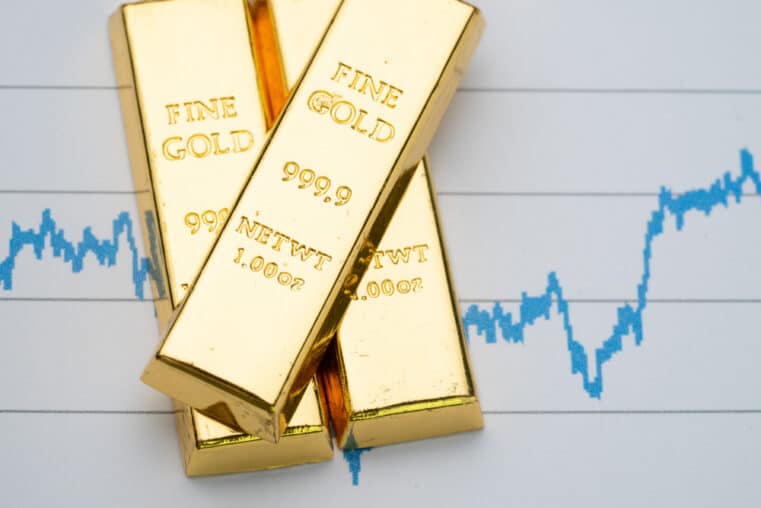
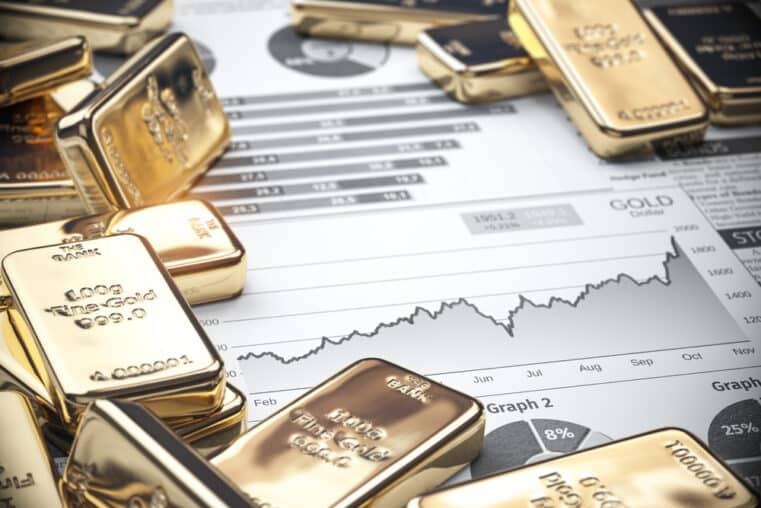
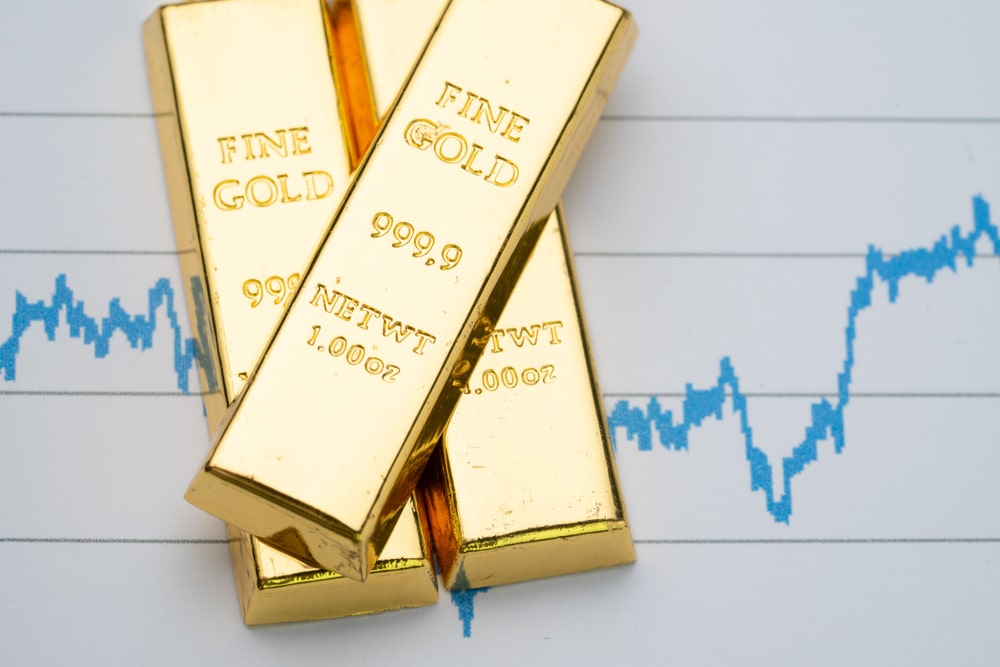
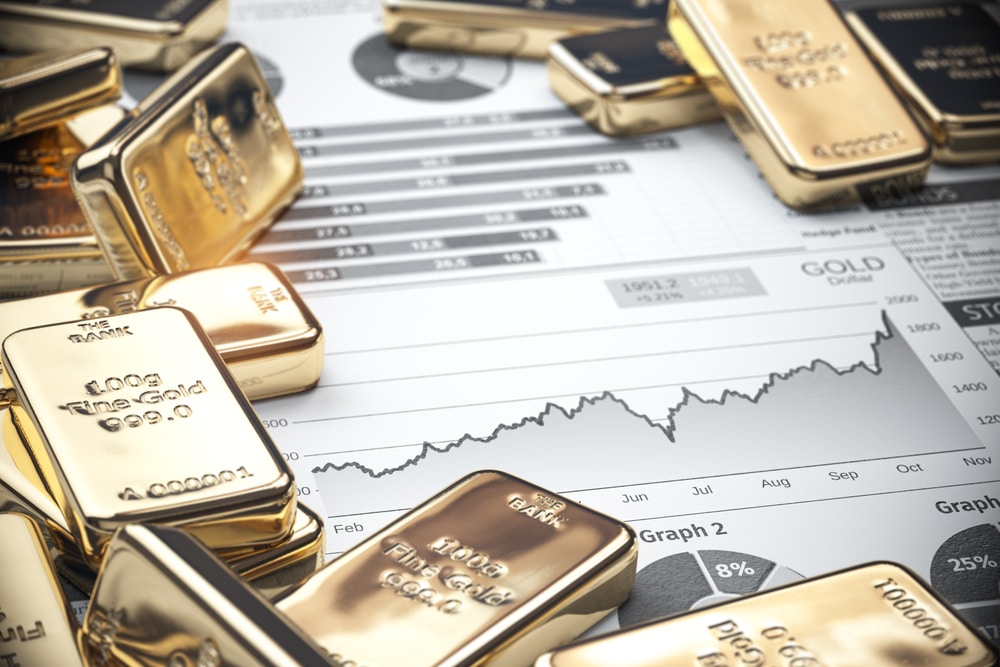
As 2025 draws to a close, gold and silver are riding high on their best performances in decades. Gold has surged to nearly $4,300, marking an impressive 65% increase in 2025, with nearly 50 all-time highs recorded throughout the year. In comparison, silver has outperformed, climbing a staggering 115%, and hitting record highs just above $64.66 per ounce.
This unprecedented rise has caught the attention of both investors and analysts. However, while the gains are substantial, some caution that these precious metals might be overbought—a situation often seen in speculative bubbles.
Despite these concerns, a significant number of experts believe that gold and silver remain undervalued in terms of ownership within broader financial portfolios, suggesting that even though prices have surged, the market for precious metals has not yet reached its potential.

Are Gold and Silver in a Bubble?
The question of whether gold and silver are in bubble territory has been raised by the Bank for International Settlements and other market analysts. The rapid price escalation of these metals naturally invites comparisons to speculative bubbles, where assets become excessively overvalued and poised for a sudden correction.
However, many analysts are quick to temper these warnings by pointing out the key differences between the current rally in gold and silver and traditional bubbles. While these metals have risen sharply, the demand is not merely driven by speculation. Rather, gold and silver are being propelled by a combination of factors including geopolitical instability, economic uncertainty, and monetary policy, with central banks continuing to add gold to their reserves as a hedge against inflation.
Moreover, there’s a growing consensus that, even if these metals are slightly overbought, they are still underowned by institutional investors, sovereign wealth funds, and many individual portfolios. This discrepancy presents a unique opportunity for future growth, as more investors begin to view gold and silver as key components of diversified portfolios.
The Case for Gold: Falling Real Yields and Economic Uncertainty
One of the primary drivers of gold’s appeal is the persistent negative real yield environment. While inflation remains sticky, analysts predict that the Federal Reserve is likely to continue cutting interest rates into 2026. As a non-yielding asset, gold becomes increasingly attractive when real yields (interest rates minus inflation) are low or negative. This means that holding cash or bonds becomes less appealing, and gold, which doesn’t rely on interest payments, becomes more valuable.
On top of this, the global economy faces continued geopolitical risks (e.g., tensions in Eastern Europe and the Middle East) and economic uncertainty (e.g., slowing GDP growth in major economies). These factors add further weight to the argument that gold is an essential asset for portfolio diversification.
Even if we were to see a bullish equity market driven by emerging technologies like artificial intelligence (AI), the risks tied to stock markets—especially in high-risk sectors—remain significant. Gold, in contrast, stands as a tried-and-tested safe-haven asset, providing a hedge against market volatility and systemic risk.
Silver: The Underdog with Huge Potential
While gold has captured much of the spotlight, silver has experienced an even more impressive surge in 2025. Up 115% on the year, silver’s performance outshines even gold’s impressive gains. Despite this, many analysts argue that silver remains a relatively underowned asset compared to gold, suggesting that it has the potential to continue its upward trajectory as investors diversify into precious metals.
Silver’s smaller market capitalization compared to gold means that it is more volatile, but it also presents greater upside potential for those looking to hedge against risk. Additionally, silver’s role in the green energy transition, particularly its use in solar panels and batteries, is likely to further support its demand in the years ahead.
As the broader financial world becomes more aware of the potential upside in silver, its relatively low level of ownership in global portfolios suggests that it too has a lot of room to grow—possibly reaching $75–$80 per ounce in 2026, with some even predicting the price could hit $100.
Underowned, Not Overvalued
While the recent price jumps in both gold and silver have led to concerns about being overbought, these precious metals are still relatively underowned in many institutional portfolios. The global financial system remains heavily reliant on paper assets like stocks, bonds, and fiat currencies, leaving little room for the physical assets that are historically viewed as safe havens.
Gold and silver’s role in wealth preservation has always been well-documented, but as fiat currencies continue to face pressure from inflationary forces and rising debt levels, their historical role as a store of value is becoming more relevant than ever.
The fact that gold and silver still represent a small fraction of global financial assets means that there is significant room for growth. As more institutional investors, family offices, and high-net-worth individuals look to diversify away from traditional paper assets, gold and silver are increasingly seen as a critical hedge against an unpredictable future.
The Long-Term Outlook: Gold at $5,000, Silver at $100?
Looking ahead to 2026, many analysts are projecting a continued rise in the prices of both gold and silver. With a consensus forming around the idea that gold could reach $5,000 per ounce in the next year, there’s also widespread optimism that silver could surpass $75–$80 per ounce, with some analysts even suggesting a target of $100.
These targets are far from pie-in-the-sky predictions; they are grounded in the ongoing structural shifts in the global economy. The money supply has ballooned in many major economies, and the monetary base expansion could continue to fuel the rally in precious metals. Moreover, central banks are unlikely to significantly alter their gold-buying habits in the near future, adding further upward pressure on gold prices.
While it’s true that these metals are experiencing an unprecedented rally, the macroeconomic forces supporting their rise are unlikely to reverse any time soon. This, combined with the underownership of gold and silver across global financial portfolios, suggests that both metals still have significant upside potential.
Final Thoughts – Protect Yourself Now
If you’re feeling uncertain about where the economy is heading—or if you’ve been sitting on the sidelines watching this metals rally unfold—it’s not too late to act. In fact, given how underowned these assets still are, you may be getting in early rather than late.
📘 Download Bill Brocius’ free eBook,
“Seven Steps to Protect Yourself from Bank Failure”
to learn how to safeguard your wealth from financial instability and systemic risk.
💡 Subscribe to our full suite of Dedollarize products to stay ahead of the curve and protect your hard-earned money.
Explore Our Products
Let’s face it—nobody’s coming to save your retirement. You have to take action, and physical gold and silver are the real deal when it comes to long-term security.