Gold Is Stumbling… But the Real Financial Storm Is Just Getting Started

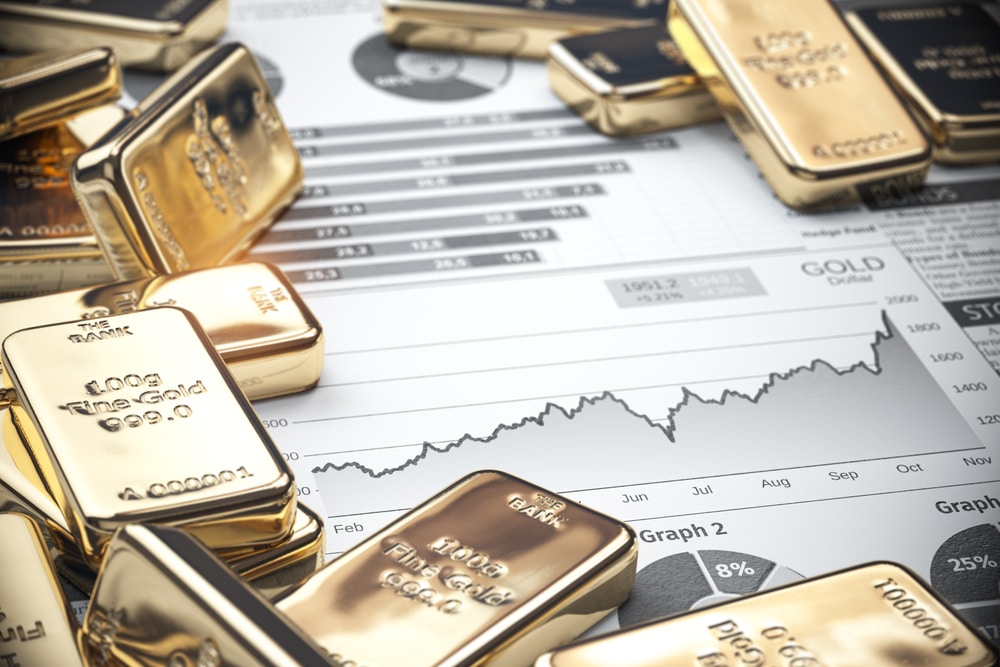
Gold’s Pullback Has People Nervous
I’ve been in the financial world for decades now, and I’ve learned one simple truth: markets rarely move in straight lines.
Right now, gold has pulled back after a strong run, and a lot of folks are asking the same question:
“Is the gold bull market over?”

Short answer? Not even close.
What we’re seeing is a tactical pause, not a fundamental breakdown. And in many ways, the forces pushing gold down right now could end up fueling the next major move higher.
Let’s walk through what’s actually happening.
The Short-Term Pressure: Higher Interest Rates
The biggest headwind gold faces right now is interest rates.
Central banks—especially the Federal Reserve—have been keeping rates higher for longer as they try to wrestle inflation back under control.
And here’s the thing most people don’t realize:
Gold doesn’t pay interest.
So when interest rates rise, investors can earn higher returns from bonds or cash-like assets. That tends to pull money away from gold temporarily.
Higher rates also strengthen the U.S. dollar, which creates another layer of pressure.
Think of it like a tug-of-war:
- Higher rates → stronger dollar
- Stronger dollar → short-term pressure on gold
But that’s only one piece of the puzzle.
The Economy Is Slowing… Fast
While the Fed is trying to control inflation, the economy is clearly losing steam.
Recent data shows U.S. GDP growth slowing to just 0.7% in the fourth quarter.
That’s barely above stall speed.
When I see numbers like that, it reminds me of a car engine sputtering on the highway. It’s still moving—but something isn’t right under the hood.
And slowing growth changes the entire investment landscape.
When growth weakens, investors start looking for protection, not just returns.
That’s where gold tends to shine.
The Real Threat: Stagflation
Now here’s the word that makes economists nervous.
Stagflation.
That’s when you get the worst combination possible:
- Slow economic growth
- Persistent inflation
We’re already seeing pieces of that puzzle come together.
Inflation has been stubbornly sticky, even as growth slows. That puts policymakers in a difficult position.
Raise rates too much and you crush the economy.
Cut rates too soon and inflation roars back.
Either way, confidence in traditional financial assets starts to erode.
And historically, gold performs very well during stagflationary environments.
The Debt Problem Nobody Wants to Talk About
Here’s something the financial media rarely emphasizes enough: global debt is exploding.
Governments around the world are carrying record levels of sovereign debt.
And when debt gets this large, policymakers tend to rely on the oldest trick in the book:
Inflation.
Inflation quietly reduces the real value of debt over time.
But it also erodes the purchasing power of currencies.
That’s one of the reasons gold has served as money for thousands of years. It’s not tied to political promises or central bank policy.
It simply exists outside the system.
Institutional Investors Are Paying Attention
Another important trend happening behind the scenes is institutional demand for gold.
Large investors—pension funds, sovereign wealth funds, and portfolio managers—are increasingly using gold as a diversifier.
And it makes sense when you think about it.
For decades, portfolios relied on a simple formula:
60% stocks
40% bonds
But that model is starting to crack.
Stocks can fall during economic shocks.
Bonds can lose value during inflationary periods.
So investors are searching for assets that behave differently.
Gold fits that role extremely well.
Why This Weakness Might Actually Be Bullish
I’ve seen this pattern many times throughout my career.
Gold pauses.
People lose patience.
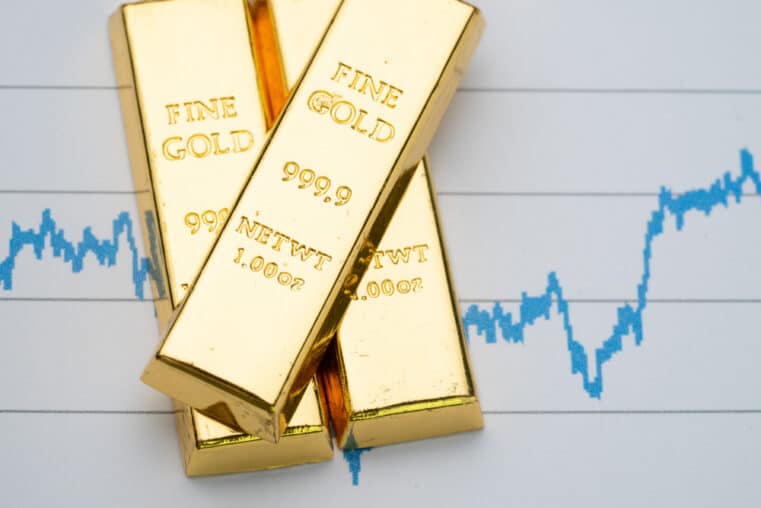
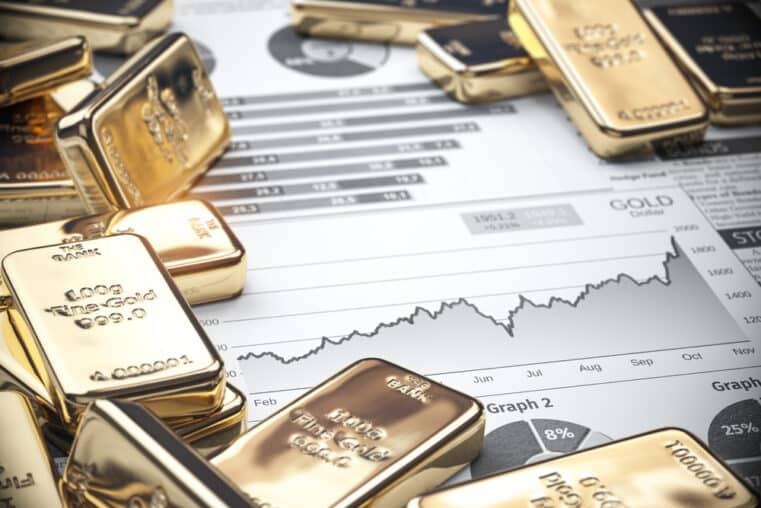
Then suddenly the macro environment shifts—and gold takes off again.
The current pullback is happening while many of gold’s biggest long-term catalysts are still building:
- Slowing economic growth
- Persistent inflation pressures
- Rising geopolitical tensions
- Exploding government debt
Those forces don’t disappear overnight.
If anything, they tend to compound over time.
That’s why many seasoned investors view this kind of weakness as a setup, not a signal to abandon gold.
The Bigger Picture Most People Are Missing
Here’s something I always remind readers.
Gold isn’t just an investment.
It’s financial insurance.
You don’t buy insurance because you expect disaster tomorrow.
You buy it because the world is unpredictable.
And right now, we’re living through one of the most uncertain financial environments I’ve seen in decades.
Stay Ahead of What’s Coming
The financial world is changing fast.
If you want deeper insights into what’s happening in the gold and silver markets—and how these global trends could affect your wealth—I strongly encourage you to stay informed.
Join the Dedollarize Inner Circle to get exclusive analysis, research, and updates from our team.
Because when the financial landscape shifts—as it often does—the people who are prepared tend to come out ahead.