
Gold’s Path to New Highs Stays Strong, Despite Recent Selloff

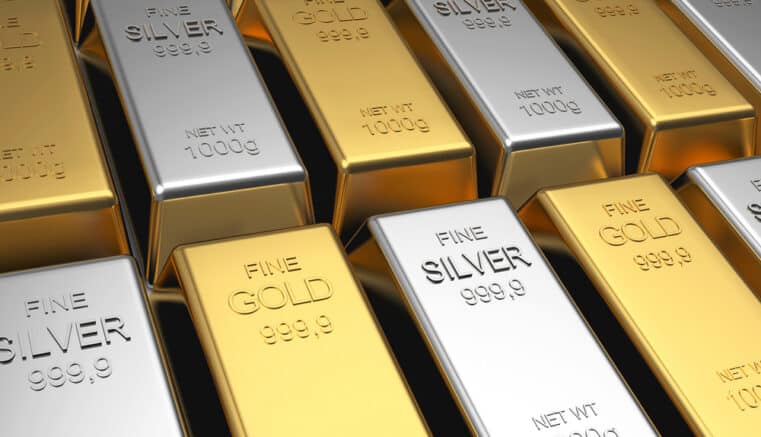
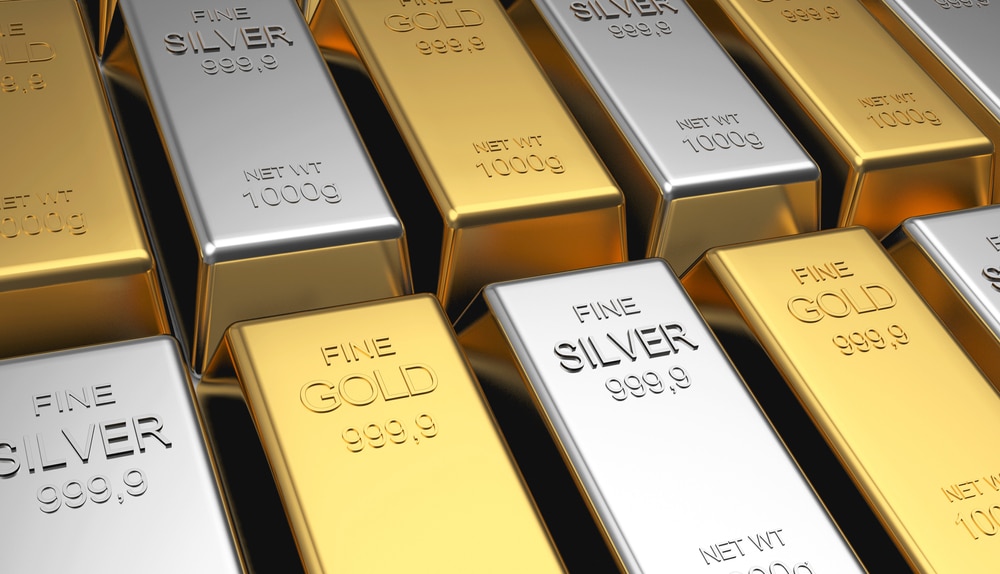
Let’s dive right in. If you’re worried about the latest selloff in gold, take a breath. According to George Milling-Stanley, Chief Gold Strategist at State Street Global Advisors, gold’s long-term trajectory hasn’t wavered. Yes, the market’s been through a six-day drop, and yes, we’ve seen a near 5% dip in gold since the election. But gold has already rebounded above $2,600 an ounce, showing just how steady this metal really is—even in the face of volatility.
Milling-Stanley’s bullish on gold for good reason, and so am I. He raised his year-end forecast to a range of $2,500 to $2,700 an ounce earlier this summer, signaling confidence in gold’s staying power. For everyday folks, this means that despite the short-term setbacks, gold is still one of the safest places to protect your money.
Why the Selloff Doesn’t Change the Big Picture
Sure, some investors were rattled by the recent drop, but let’s look at the context. This year alone, gold’s up 33%, which is nothing to sneeze at. After that kind of growth, a temporary pullback is no reason to panic—it’s actually pretty normal. The U.S. dollar might be showing short-term strength thanks to anticipation of pro-America policies, but that rally is already slowing. The dollar index briefly hit 106.5 points after the election, but it’s now slipping back, while gold is gaining ground again. December gold futures, for example, closed recently at $2,616.40, up nearly 2% in a single day.
When it comes to the U.S. dollar and gold, think of it as a tug-of-war. Right now, the dollar might have the advantage, but over the long haul, gold has historically proven to be the more reliable asset.
Inflation and Debt: The True Drivers of Gold’s Value
Milling-Stanley says it straight—gold isn’t spooked by changes in U.S. monetary policy. Even if the Federal Reserve makes a pivot to raising rates to combat inflation, that move could dampen economic growth more than it helps the dollar, which indirectly benefits gold.
What’s more, inflation isn’t going away. Trump’s proposed tax cuts and tariffs could give a temporary boost to domestic manufacturing, but they also have inflationary consequences. When inflation picks up, the value of cash erodes quickly—think of it like rust eating away at a car. But gold? Gold holds its value. The higher inflation goes, the better gold performs.
There’s also America’s debt to consider. With massive government spending on the horizon, our national debt is ballooning. The more debt the U.S. racks up, the weaker the dollar becomes, and gold thrives when traditional currencies falter. When inflation eats away at purchasing power, and debt piles up, investors naturally seek a safe haven, and gold is the tried-and-true answer.
Economic Uncertainty Keeps Gold in Demand
It’s not just inflation and debt—economic uncertainty is keeping gold at the forefront of investors’ minds. Milling-Stanley believes Western investors will keep moving back into gold-backed exchange-traded funds, especially in an easing cycle. The Federal Reserve’s recent moves to lower rates have only increased gold’s appeal. Lower interest rates mean lower yields on cash and bonds, making gold look like the smarter choice by comparison.
In times like these, protecting wealth is crucial. Gold remains attractive because it’s shielded from the Fed’s whims and Washington’s spending habits. Remember: when the Fed started cutting rates earlier this year, we saw one of the strongest rallies in gold since 1979. Gold doesn’t just react to what the Fed does; it leads the charge as a reliable store of value when uncertainty is high.
The Takeaway
So, what does all this mean for you? It means that, despite the noise, gold’s foundational strength remains intact. Inflation, government debt, and economic unpredictability all point to one thing: we’re in for more financial turbulence, and gold is the life raft that will help you stay afloat.
Don’t be misled by short-term dips or fear of missing out on some other “hot” asset. Protecting your wealth is about thinking long-term, and gold has been a bedrock for thousands of years.
To safeguard your finances, make gold a part of your portfolio. Want to learn more about how to protect yourself in an era of growing bank instability? Download Bill Brocius' eBook “Seven Steps to Protect Yourself from Bank Failure” and subscribe to Dedollarize for more insights. It’s time to take control of your financial future.
Download the eBook now and take the first step toward financial security.