Oil Above $90 Is the Warning Shot: Why the Real Economic Damage May Be Just Beginning

The Oil Spike Everyone Is Watching
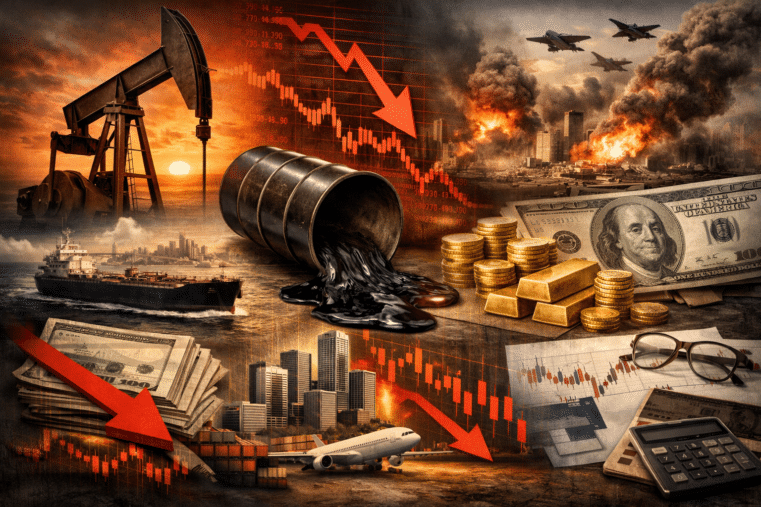
Oil prices have surged sharply in recent weeks as geopolitical tensions rattled energy markets. Front-month crude contracts have pushed toward the $90–$100 range, grabbing headlines and fueling fears about inflation, economic strain, and market instability.
But here’s the critical detail most investors are missing:
The futures market isn’t fully buying the panic yet.

According to trading desks watching the spreads closely, the front month of crude is trading dramatically higher than contracts further out on the calendar. In other words, oil for delivery today is expensive—but oil for delivery months from now remains significantly cheaper.
That structure is known as backwardation, and it tells us something important.
Markets currently believe this could still be a temporary shock rather than a lasting supply crisis.
But if that assumption proves wrong, the consequences could ripple through the entire financial system.
Why Duration Matters More Than Price
A short spike in oil rarely breaks the global economy.
A prolonged spike, however, is another story entirely.
Energy is the base layer of the entire economic system. Transportation, manufacturing, agriculture, shipping, aviation—virtually every sector runs on it. When oil stays elevated for long enough, it begins to act like a massive global tax on economic activity.
History provides the evidence:
- The 1973 oil shock triggered a global recession.
- The 1979 oil crisis helped ignite the stagflation era.
- The 2008 oil surge preceded one of the worst financial collapses in modern history.
In each case, the damage didn’t come from a short spike.
It came from sustained high prices that forced the global system to adjust.
And that’s the risk traders are watching right now.
The Quiet Risk in the Bond Market
There’s another dynamic few people outside institutional trading circles understand.
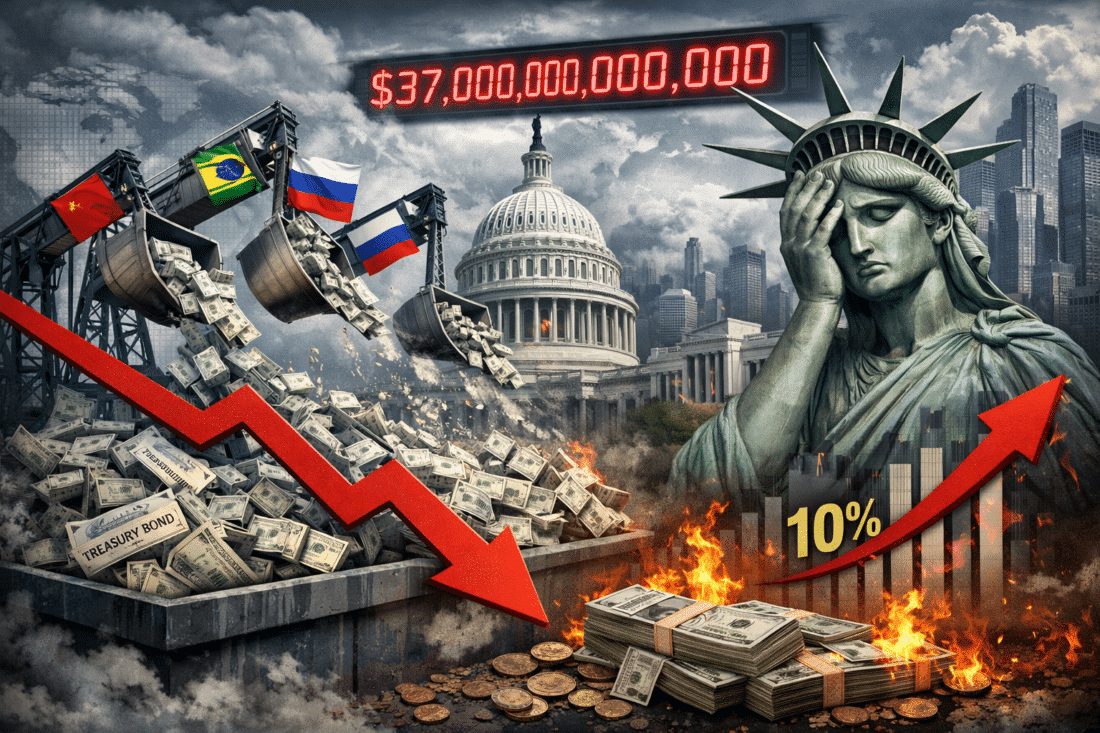
If oil stays elevated long enough, oil-importing countries must find more dollars to pay for energy.
And when governments suddenly need dollars, they often get them by selling assets.
One of the largest assets held by foreign governments?
U.S. Treasuries.
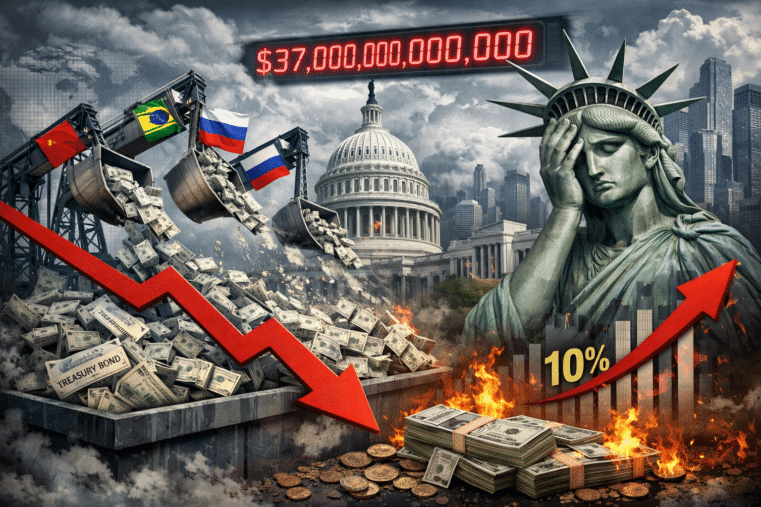
If the cost of energy rises sharply and stays there, foreign governments may begin liquidating Treasury holdings to finance their energy imports.
That creates a chain reaction:
- Treasury selling pushes bond yields higher
- Higher yields raise borrowing costs globally
- Higher borrowing costs pressure stocks, housing, and credit markets
In other words, what starts as an energy shock can become a financial shock.
Right now, traders say that kind of Treasury selling has not started yet.
But if oil remains above $90 for another month or more, the risk becomes far more real.
Why Gold and Silver Aren’t Acting Like Safe Havens
Many investors expected precious metals to surge amid geopolitical tensions.
That hasn’t happened.
Instead, gold and silver have been moving alongside equities, falling when stocks fall and rising when stocks bounce.
Why?
Because over the last three years, precious metals were part of the same broad market rally that lifted stocks. Institutional money flowed into multiple asset classes simultaneously.
Now that equities are wobbling, those same investors are unwinding positions across the board.
That means metals can temporarily fall—even during periods of geopolitical stress.
For long-term investors, however, that kind of pullback often sets the stage for the next major move higher.
Markets Are Waiting for One Critical Answer
Right now, markets are in a holding pattern.
The single most important question is simple:
How long will this geopolitical conflict last?
If tensions ease quickly and oil retreats, the global economy will likely absorb the shock without lasting damage.
But if the conflict drags on and oil prices remain elevated into the coming months, the consequences could spread far beyond the energy market.
That’s when we could see pressure building simultaneously in:
- Bond yields
- Equity markets
- Precious metals
- Global economic growth
And once those dominoes begin falling, the reset across financial markets can happen faster than most people expect.
Why Serious Investors Pay Attention to These Signals
Most headlines focus on daily price swings.
But experienced traders know the real story is often hidden in market structure and capital flows—the subtle shifts that happen before major moves.
The relationship between oil prices, bond yields, equities, and metals is one of those signals.
Right now, that system is starting to tighten.
The next few weeks could determine whether this remains a short-lived disruption or evolves into a broader economic challenge.
Investors who understand these dynamics early have a major advantage.
Those who don’t often realize what’s happening only after markets have already repriced.
A Final Word
Economic shifts rarely announce themselves clearly in advance.
Instead, they show up as small signals across different markets—energy, bonds, commodities, currencies—before eventually converging into larger trends.
That’s why serious investors follow analysts who spend their time tracking these signals closely.
Bill Brocius has been studying these patterns for decades, helping readers understand the forces shaping global markets and the steps individuals can take to position themselves wisely.
If you want deeper insights into the kinds of developments discussed here—and the strategies serious investors are using to navigate them—consider joining Bill Brocius’ Inner Circle, where he shares his latest analysis and market intelligence directly with readers.
Because when the economic landscape starts shifting, having the right information early makes all the difference.