War-Driven Panic Across the Global Financial System Could Hit a Breaking Point Within Weeks

The Calm Before the Panic
Right now, markets are behaving like a storm that hasn’t quite decided to break.
Yes, oil prices have surged.
Yes, the Middle East conflict is escalating.

Yes, one of the most critical shipping choke points on Earth is effectively paralyzed.
And yet, the financial system is still acting like this is just another temporary disruption.
The S&P 500 is only down a few percent this year. That’s hardly the kind of panic you would expect if one-fifth of the world’s oil supply were suddenly trapped behind a geopolitical blockade.
But markets have a strange habit of staying calm right up until the moment they aren’t.
And according to several geopolitical analysts watching this situation closely, we may be approaching the moment when that calm breaks.
A Critical Global Artery Is Under Pressure
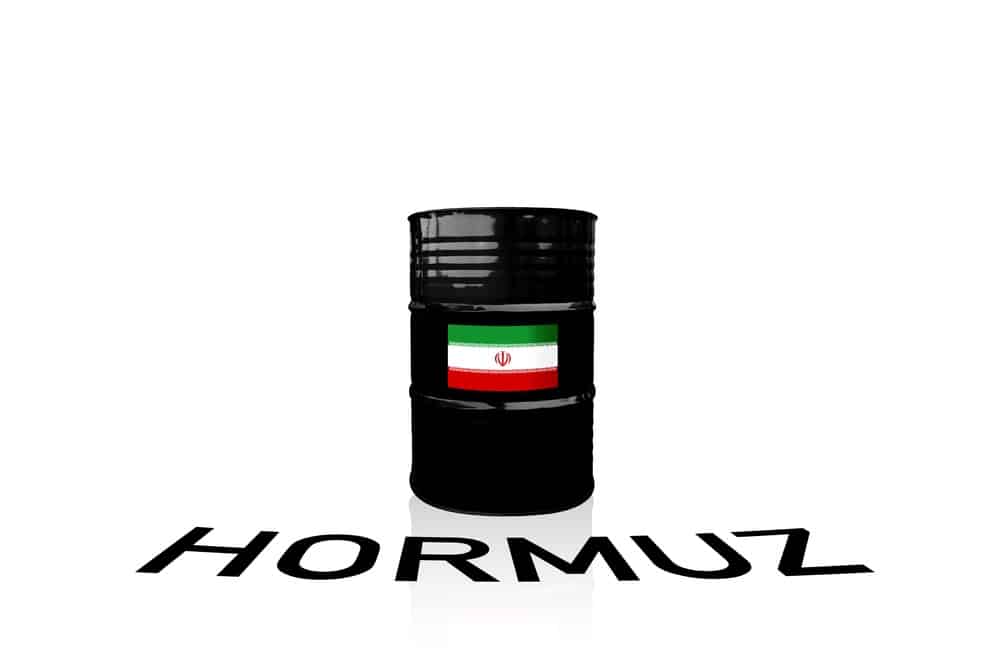
The Strait of Hormuz isn’t just another shipping lane.
It’s one of the most important energy corridors on the planet.
Roughly 20% of global oil flows through that narrow stretch of water every single day.
When traffic through that artery slows—or worse, stops—the consequences ripple across the entire global economy.
Right now, maritime traffic through the region has already been heavily disrupted by the war involving Iran.
Tankers are rerouting.
Insurance costs are skyrocketing.
Shipping companies are becoming more cautious about entering the region.
Each one of those disruptions adds pressure to an already fragile global supply system.
And if conditions worsen, the economic fallout could escalate very quickly.
Oil Prices Are Already Sending a Warning
Oil markets tend to react faster than stock markets.
Right now they’re flashing a very clear signal.
Since the conflict began just weeks ago, oil prices have jumped more than 40 percent.
For the year, prices are up roughly 70 percent.
That kind of surge doesn’t happen without consequences.
Energy is the foundation of modern economies.
When oil prices rise sharply, the cost of almost everything else eventually follows.
Transportation.
Manufacturing.
Food production.
Logistics.
It all depends on energy.
And when energy becomes more expensive, inflationary pressure spreads throughout the entire system.
Analysts Are Warning About “Peak War Panic”
One geopolitical strategist recently laid out a timeline that should get investors’ attention.
Based on historical patterns during major conflicts, oil-driven market panics tend to peak four to eight weeks after a conflict begins.
Right now, the current war has entered roughly its third week.
That means the window for what analysts call “peak war panic” could arrive within the next one to three weeks.
In other words, markets may not have reached maximum stress yet.
The worst reactions often arrive after the initial shock, once investors begin realizing the conflict isn’t ending quickly.
The $150 Oil Threshold
There is one number that keeps coming up in discussions among energy analysts.
$150 per barrel.
If oil climbs above that level and stays there, the psychological impact on financial markets could be enormous.
Fuel costs would surge.
Airline costs would spike.
Shipping rates would rise.
Consumer prices would follow.
And once investors start pricing in the economic damage caused by those rising costs, markets can turn volatile very quickly.
The War Shows No Signs of Ending
Investors hoping for a quick diplomatic resolution may be waiting longer than they expect.
Statements coming out of both sides of the conflict suggest negotiations are not even on the table right now.
Military officials are openly preparing for weeks of continued operations.
Thousands of potential targets remain.
And each passing week increases the probability that economic disruptions deepen.
That’s why traders and analysts are watching the calendar so closely.
Because the longer the conflict continues, the more pressure builds inside the financial system.
The Nightmare Scenario Few Are Pricing In
If one choke point is disrupted, markets can adapt.
Shipping routes reroute.
Supply chains adjust.
But if two critical chokepoints close simultaneously, the situation becomes far more serious.
Right now, analysts are increasingly worried about exactly that scenario.
Iran’s allies in Yemen have already shown the ability to disrupt shipping in the Red Sea.
If commercial traffic through the Bab el-Mandeb Strait were shut down at the same time that the Strait of Hormuz remains restricted, global trade could take a massive hit.
Energy flows would shrink.
Supply chains would tighten.
Inflationary pressure would surge across Europe and beyond.
That kind of dual disruption would send shockwaves through the global economy.
The Supply Chain Domino Effect Has Already Started
When energy routes are disrupted, the damage doesn’t stay confined to oil markets.
It spreads.
We’re already seeing early signs.
One of the largest aluminum smelters in the world has begun cutting production by roughly 20 percent due to shipping disruptions.
That may sound like a niche problem.
It’s not.
Aluminum is used in everything from automobiles to construction materials to electronics.
When production slows, prices rise.
And when prices rise, manufacturers pass those costs along to consumers.
This is how geopolitical conflict quietly turns into economic pressure for millions of people who never follow foreign policy headlines.
Americans Are Already Feeling the Pressure
The ripple effects are beginning to show up in everyday life.
Rideshare drivers are becoming more selective about which trips they accept as gasoline prices climb.
Commuters are feeling the strain at the pump.
Businesses that rely on transportation are watching their margins shrink.
Even workplace decisions are being influenced by rising fuel costs.
For many workers, a spike in gasoline prices effectively acts like a pay cut.
Less disposable income means less spending elsewhere in the economy.
And when consumer spending slows, economic growth slows with it.
Food Prices Could Be the Next Shock
Energy doesn’t just power transportation.
It powers agriculture.
Fuel runs tractors.
Energy powers fertilizer production.
Trucks and trains move food across the country.
When oil becomes expensive, food eventually follows.
We’re already seeing the early stages of that trend.
The average price of ground beef has climbed sharply over the past year and now sits dramatically higher than it did just a few years ago.
If energy prices surge further, grocery bills could rise even faster.
And that’s when economic stress begins to hit households directly.
The Real Strategy Behind the Pressure
By disrupting critical energy routes, adversaries understand exactly where the pressure points lie.
The modern global economy runs on energy.
And consumer tolerance for rising prices—especially in the United States—is not unlimited.
If economic pain spreads far enough, political pressure builds.
That’s part of the strategic calculation behind these disruptions.
But the flip side is that military leaders appear determined to regain control of those critical shipping lanes.
Which means the conflict could stretch on longer than markets currently expect.
My Take: The System Isn’t Ready for This
The global economy has spent years operating under relatively stable energy conditions.
Supply chains were designed around predictable flows of oil and goods moving smoothly through critical maritime corridors.
But when those corridors come under pressure, the fragility of the system becomes obvious very quickly.
Right now, markets are still assuming the crisis will remain contained.
History suggests that assumption can change rapidly.
Because once financial markets finally react to geopolitical stress, they rarely do it gradually.
They react all at once.
Join the Inner Circle
The financial system is entering a period of rapid structural change—one that goes far beyond energy markets and geopolitical conflict.
Governments and central banks around the world are moving toward central bank digital currencies, real-time payment systems like FedNow, and financial infrastructures capable of monitoring and controlling transactions in ways that were impossible just a decade ago.
These shifts could reshape the future of money, privacy, and economic freedom.
Inside Inner Circle, we break down the forces driving these transformations so you can understand what’s happening before it becomes impossible to ignore.
If you want the intelligence and analysis needed to navigate the financial system that’s emerging, now is the time.