PANIC IN THE MARKETS: Investors Stampede Into Gold as War, Debt, and Dollar Fears Explode

The Smart Money Is Moving — And It’s Moving Fast
Let’s not sugarcoat this.
When global gold funds pull in $6.2 billion in a single week, and year-to-date inflows are running at a record pace, that’s not random noise. That’s a signal.
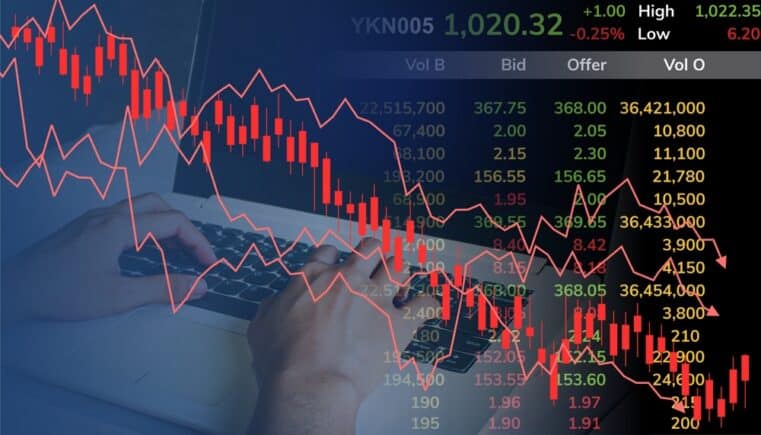
Institutional investors — the big money — are positioning for uncertainty. The conflict involving Iran, ongoing instability in the Middle East, and sharp equity market declines are pushing capital toward safe havens.

And gold is once again doing what it has done for 5,000 years.
It’s stepping up when paper assets start wobbling.
Now, I grew up in a working-class household. When times got tight, you didn’t gamble — you protected what you had. That’s what I’m seeing here. This isn’t speculation. It’s defense.
Geopolitical Risk Isn’t The Real Story — Debt Is
The headlines focus on war. And yes, geopolitical tension absolutely drives safe-haven demand.
But underneath it all is something bigger.
The U.S. government ran a $1.8 trillion deficit in fiscal 2025.
The national debt now stands at $38 trillion.
Let me put that in plain English.
When a government spends that much more than it takes in, it has two options:
- Raise taxes
- Print money
Historically? They print.
And printing money is like quietly diluting every dollar in your wallet. Think of fiat currency like a car driving off the lot — it loses value over time. Slowly at first… then all at once.
Gold doesn’t have that problem.
It can’t be printed.
That’s why investors are reacting not just to missiles overseas — but to monetary policy at home.
Gold ETFs Are Surging — But Here’s What You Need to Understand
The article highlights record inflows into gold ETFs, and experts are recommending 10–15% portfolio allocations to precious metals.
That’s significant.
Even hedge fund legends are advocating gold exposure right now.
But here’s where I need to slow you down.
An ETF gives you price exposure to gold.
It does not necessarily give you direct possession.
There’s a difference between:
- Owning gold
- Owning a financial product linked to gold
In normal times, ETFs are convenient. Easy to buy. Liquid. Simple.
But during periods of financial stress — when markets freeze or liquidity dries up — the structure matters.
Physical gold and silver remove layers of financial intermediaries. No fund manager. No counterparty exposure. No dependency on digital systems functioning perfectly.
You don’t buy fire insurance after the house catches fire.
You buy it before.
Silver: The Quiet Opportunity
The piece briefly mentions silver playing a complementary role.
I couldn’t agree more.
Silver tends to be more volatile because it has industrial demand layered on top of monetary demand. But historically, when gold runs, silver often follows — sometimes more aggressively.
For working families, silver can be a more affordable entry point into hard assets.
Gold preserves.
Silver amplifies.
Having both creates balance.
Stocks vs. Gold — The Diversification Debate
The article notes that over 30 years, stocks have outperformed gold.
That’s true.
But context matters.
Stocks perform best in:
- Stable monetary environments
- Controlled deficits
- Expanding productivity
We are currently facing:
- Record debt
- Expanding money supply
- Persistent geopolitical tensions
- Fiscal instability
Gold isn’t meant to replace productive assets entirely. It’s meant to hedge systemic risk.
If the financial system were a ship, stocks are the engine.
Gold is the lifeboat.
You hope you never need it. But you’re sure glad it’s there if something cracks.
The Money Supply Problem Isn’t Going Away
One analyst cited a key driver: rising money supply.
That’s the quiet engine behind gold’s strength.
Throughout history, civilizations under heavy debt burdens have chosen inflation over austerity. Inflating away debt feels politically easier than cutting spending.
But inflation transfers wealth — from savers to debtors.
Gold has historically acted as a pressure valve in those environments.
Not because it’s magical.
Because it’s scarce.
Why This Matters To You Right Now
You don’t need to be a hedge fund manager to see what’s happening.
When:
- Central banks are accumulating gold
- Institutional funds are pouring billions into gold ETFs
- Government deficits remain massive
- Global tensions are escalating
It’s not hysteria.
It’s pattern recognition.
The average American is dealing with rising costs, stagnant purchasing power, and retirement uncertainty. Protecting wealth isn’t a luxury — it’s a necessity.
And gold and silver have stood the test of time in ways paper currencies simply haven’t.
My Straight Talk
Do I think gold will rise in a straight line forever? No.
Do I think we’re entering a period where monetary discipline returns overnight? Also no.
The structural pressures — debt, deficits, geopolitical instability — are still firmly in place.
This surge in ETF inflows isn’t random.
It’s capital moving toward perceived safety.
My view?
A sensible allocation to physical gold and silver — alongside diversified assets — is prudent risk management in today’s climate.
Not panic.
Preparation.
Join the Dedollarize Inner Circle Before the Next Wave Hits
If you’re serious about protecting your wealth — not just reacting to headlines — then it’s time to step inside the room where we go deeper.
The Dedollarize Inner Circle is where we break down what’s really happening in the gold and silver markets, what institutional money is doing before it makes front-page news, and how everyday investors can position themselves wisely.
This isn’t hype. It’s strategy.
Inside the Inner Circle, you’ll get:
- Timely market insights on gold and silver
- Clear explanations of monetary policy and debt trends
- Practical wealth-protection strategies
- Early alerts when conditions shift
If you’ve worked hard for your savings, you owe it to yourself to stay informed and prepared.
Join the Dedollarize Inner Circle Here
Don’t wait until the next market shock forces you to react.
Get positioned. Stay informed. Protect what you’ve built.