
Public Trust in Washington Collapses as America Slides Down Global Corruption Rankings

America Hits a New Low
The United States just fell to its lowest ranking ever in Transparency International’s Corruption Perception Index.
29th place.
A score of 64 out of 100.

That puts America below countries most Americans rarely think about — Uruguay, Bhutan, the UAE — and tied with the Bahamas.
Let that sink in.
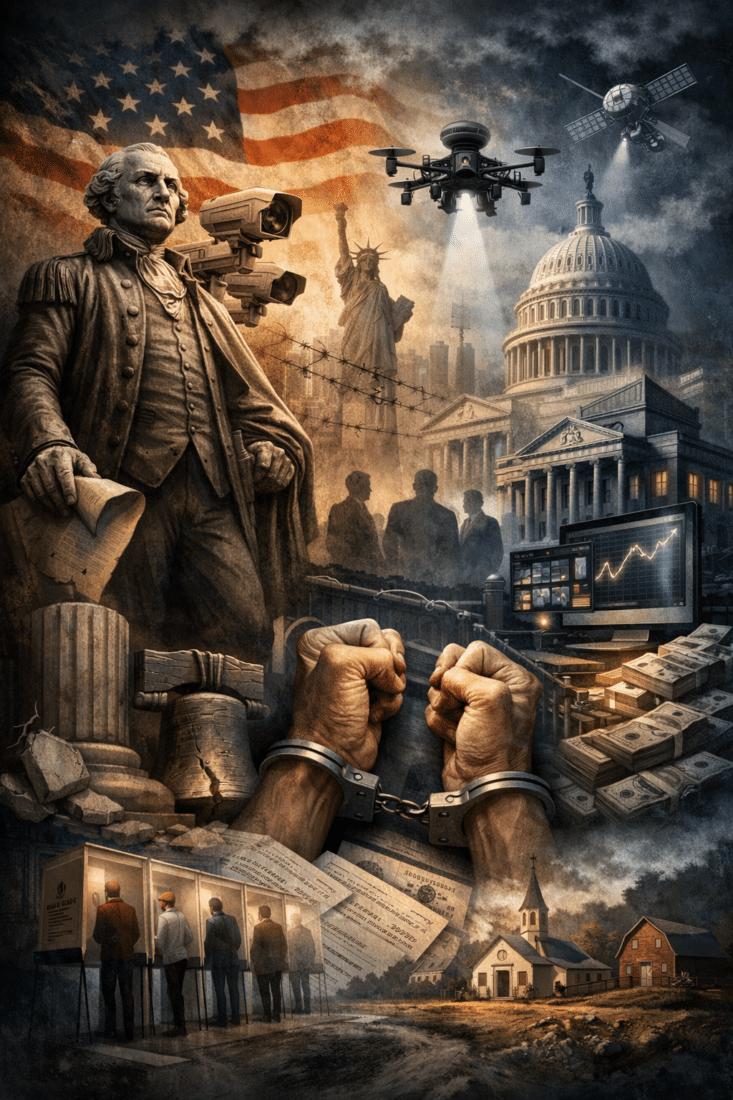
The world’s most powerful republic. The nation founded on checks and balances. Now sliding down a global corruption index year after year.
Since 2017, the U.S. score has steadily declined from 75 to 64. That’s not a blip. That’s a trend.
And trends tell stories.
Trust in Government Is Cratering
Even more telling than an international ranking is what Americans themselves are saying.
Only 17% of Americans trust the federal government to do what is right most or all of the time.
Seventeen percent.
That’s not partisan frustration. That’s systemic distrust.
Trust peaked at 54% in 2001. It hit a low of 15% in 2011. And today, it hovers just above that historic bottom.
This isn’t about one president. It isn’t about one party.
It’s about a widening gap between the American people and the political class.
Why the Ranking Dropped
Transparency International points to several factors behind the decline:
- Paused or weakened enforcement of corporate foreign bribery investigations
- Concerns about enforcement of foreign agent registration laws
- Broader worries about institutional independence
- Restrictions on expression and civic space globally
Whether one agrees with every assessment or not, the broader issue is clear: watchdog groups believe accountability mechanisms are weakening.
And when accountability weakens, public confidence follows.
The Bigger Story: Institutional Erosion
But here’s what matters most to everyday Americans — especially across the South.
This distrust didn’t begin in 2025.
It didn’t begin in 2017.
It didn’t begin in 2001.
It’s been building for decades.
Consider what Americans have witnessed:
- Wall Street bailed out while Main Street struggled
- Endless foreign conflicts with no clear victory
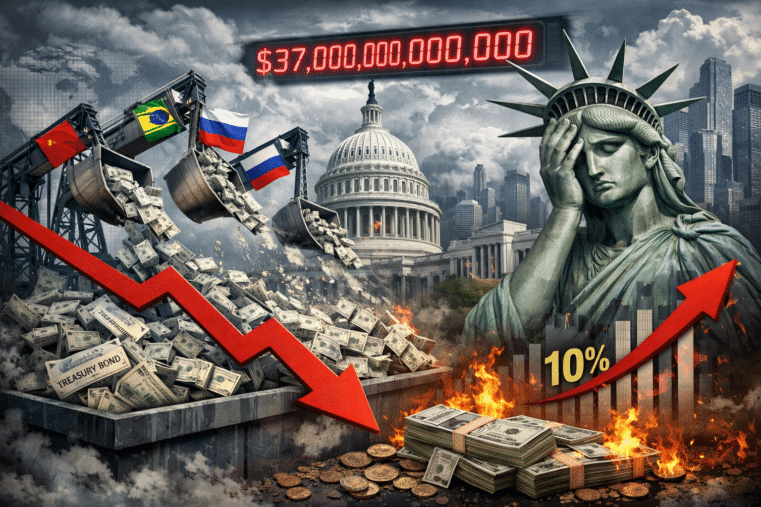
- A national debt spiraling past $30 trillion
- A revolving door between regulators and corporations
- Unelected bureaucracies expanding their reach
Over time, that creates a perception — fair or not — that the rules are different for insiders.
And when citizens believe the system favors elites over ordinary people, faith in institutions erodes.
A Crisis of Confidence
The American republic depends on trust.
Not blind trust.
Not naive trust.
But confidence that the system, however imperfect, is accountable to the people.
When only 17% believe Washington “usually does what is right,” that’s not just a bad poll number. It’s a legitimacy problem.
The South has always had a healthy skepticism of centralized authority. That instinct runs deep in our history. It’s rooted in local governance, community accountability, and constitutional limits.
Today’s numbers suggest that skepticism is spreading nationwide.
Perception vs. Reality
It’s important to be clear: the Corruption Perception Index measures perceptions among experts and business leaders — not criminal convictions.
Perception matters. But it is not proof of specific wrongdoing.
Still, perception shapes markets. It shapes public opinion. It shapes political behavior.
And once citizens conclude the system is rigged, restoring faith becomes extraordinarily difficult.
The Danger of Apathy
Here’s the real risk.
When trust collapses, two things happen:
- Citizens disengage.
- Power consolidates.
A disengaged public leaves room for concentrated authority. And concentrated authority, left unchecked, invites abuse.
The Founders understood this. That’s why they built a system of checks and balances. That’s why they emphasized vigilance.
Self-government requires participation.
It requires scrutiny.
It requires citizens who are informed and alert.
Where Do We Go From Here?
Rebuilding trust won’t happen overnight.
It requires:
- Transparent enforcement of laws — equally applied
- Clear limits on government authority
- Fiscal responsibility
- Strong institutional independence
- A renewed commitment to constitutional principles
And it requires something even more basic: leaders who remember they work for the American people — not the other way around.
This moment is a warning. Not a verdict.
A warning that trust, once lost, is hard to regain.
Patriots Must Stay Engaged
Declining rankings. Collapsing trust. Institutional strain.
These are serious signals.
But America has faced institutional crises before — and endured.
The question is whether citizens will demand accountability or retreat into cynicism.
The American experiment was never about blind faith in government. It was about ordered liberty under law. It was about citizens holding power accountable.
That responsibility doesn’t disappear when trust declines. It becomes more urgent.
If you care about constitutional governance, financial transparency, and restoring accountability in Washington, you need information that goes deeper than the headlines.
Join the Inner Circle today for in-depth analysis, exclusive briefings, and strategies for navigating an era of institutional uncertainty.