The Apocalypse Economy: Disasters, Markets, and Policies Spelling 2025’s Collapse

Natural Disasters: Nature or Something More Sinister?
Earthquakes: Japan and Mexico Get Shaken Up
Mother Nature isn’t pulling punches. A 6.6 magnitude quake rocked Japan’s southern coast, briefly sparking fears of a tsunami. Meanwhile, Mexico’s southern coastline felt the earth rumble with a 6.2 magnitude quake. Coincidence, or are we seeing the effects of a planet pushed to the brink by reckless human intervention? Either way, these events expose the fragility of urban centers built on fault lines—choices driven more by profit than safety.
California Wildfires: Natural or Engineered?
California is burning. Again. Winds gusting over 70 mph are fanning flames across Los Angeles, turning neighborhoods into ash. Toxic smoke blankets the region, threatening long-term health while the stripped landscapes are primed for devastating mudslides. But here’s the kicker: questions are swirling about how these fires started. Is this nature doing its thing, or are we looking at deliberate arson? Arrests are being made, but don’t expect the authorities to connect the dots if it leads somewhere uncomfortable.
Flooded and Forgotten in North Carolina
North Carolina residents are huddling in tents and relying on propane heaters after catastrophic flooding. These people are living in third-world conditions, and the response? A deafening silence. This is the new normal: disasters hit, and those affected are left to fend for themselves while bureaucrats sip lattes and craft hollow press releases.

Financial Markets: A House of Cards Ready to Collapse
Market Madness
The Dow climbed 350 points, and everyone cheered—meanwhile, the NASDAQ dropped like a stone. Commodities like oil and gold are bouncing around like a bad case of caffeine jitters, and Bitcoin’s unpredictable swings should make you question whether the financial system is anything but a casino for the connected elite. $94,000 for a Bitcoin today, but tomorrow? Who knows? The only certainty is the volatility.
Holiday Spending Fueled by Debt
Retailers are spinning their holiday sales numbers, but don’t be fooled. Despite “better-than-expected” results, most big players saw their stocks drop. Here’s why: Americans are maxing out credit cards just to keep up appearances, even as 50% of them can’t scrape together $500 in savings. It’s a debt-fueled illusion, and when the bubble pops, it’ll be the working class left holding the bag.
California’s Insurance Crisis: A Canary in the Coal Mine
Wildfires aren’t just destroying homes—they’re wrecking the entire insurance industry. Insurers are backing out of high-risk areas like Malibu faster than politicians fleeing accountability. The cost to rebuild a home in these regions has doubled, leaving homeowners with partial coverage or none at all. This isn’t just a California problem; it’s a warning to every homeowner in a so-called “safe” area.
Economic Policies: Who Benefits? Not You.
Student Debt “Relief” Theater
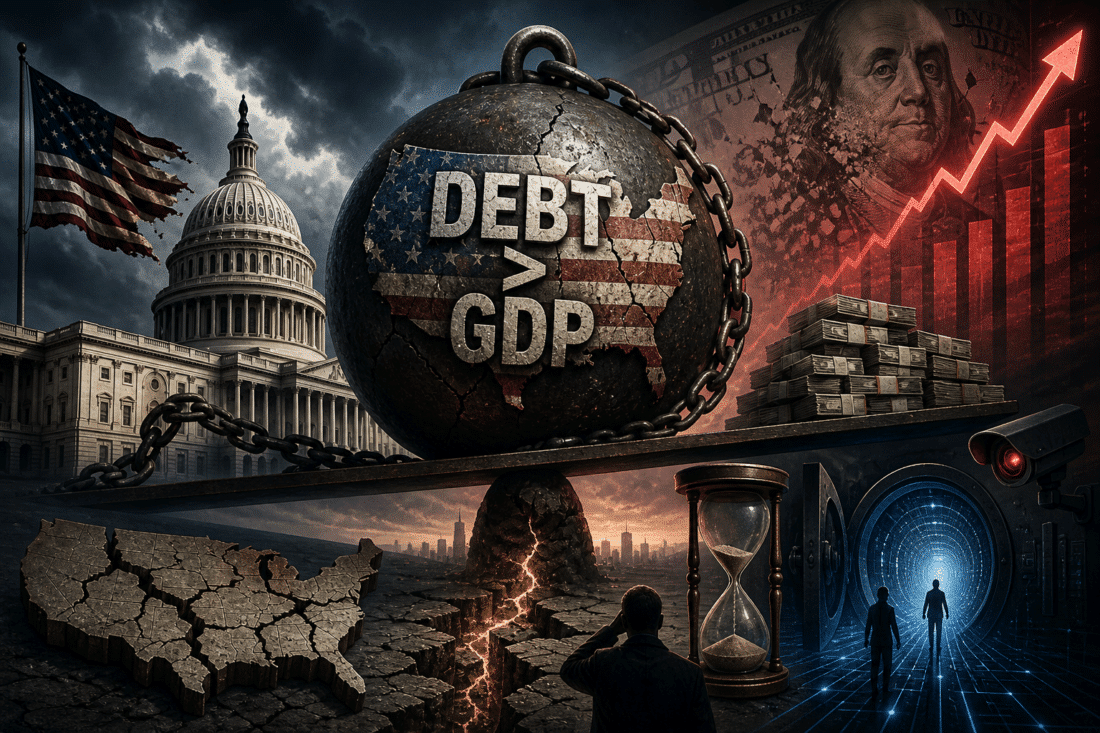
President Biden’s $183 billion student debt relief plan is hailed as a victory by the mainstream media, but let’s be real: this is just another Band-Aid on a bullet wound. Sure, it helps 150,000 borrowers, but the long-term consequences—taxpayer burdens, inflation, and increased resentment—will ripple for decades. And with $150 billion in damages from California’s wildfires alone, the government’s priorities seem as clear as mud.
Inflation Lies and Economic Fakery
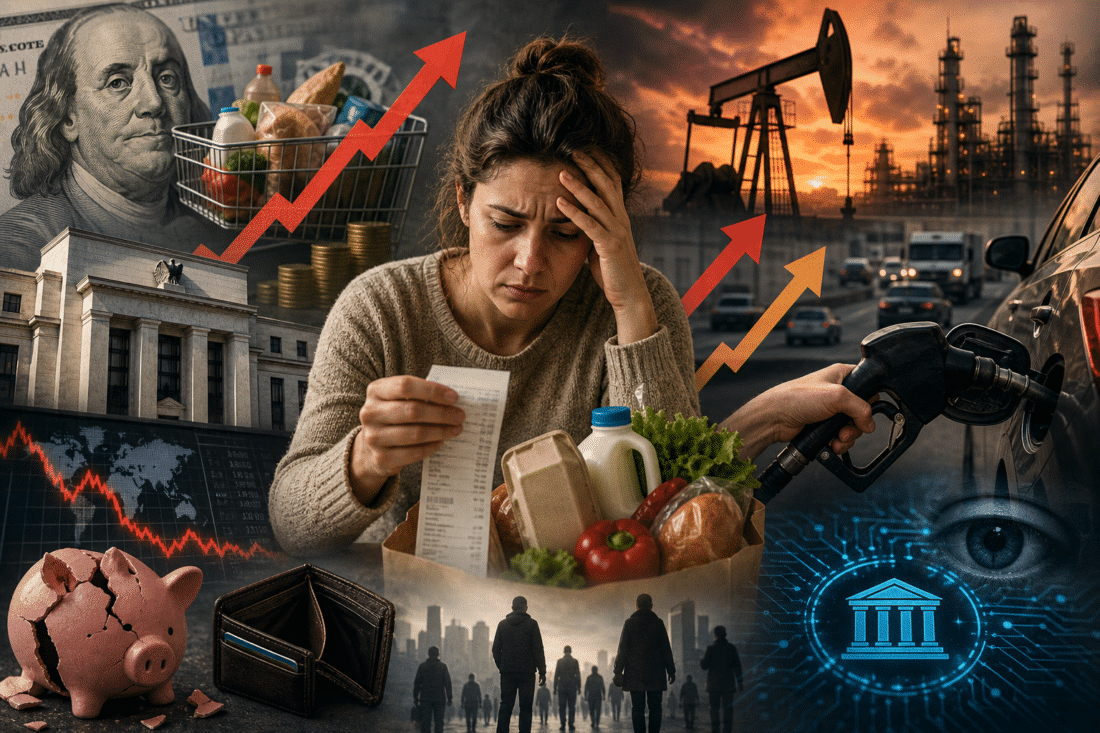
The government wants you to believe inflation is “under control.” Look around: is your rent lower? Are groceries magically cheaper? Exactly. The reality is that official inflation numbers are little more than cooked data designed to keep the masses complacent. Meanwhile, rising borrowing costs and stagnant wages squeeze the middle class into oblivion.
Unemployment Numbers You Can’t Trust
One in five “job openings” are reportedly fake. Let that sink in. The job market isn’t just struggling—it’s being outright lied about. These phantom numbers prop up the illusion of stability while real families are left scrambling for work that doesn’t exist.
The Bigger Picture: The Fire Next Time
Speculation about the California fires points to arson as a weapon of choice. Why? Because it’s cheap, effective, and destabilizing. Whether it’s ideological extremists, rogue actors, or something more coordinated, the fact remains: critical regions like California are sitting ducks.
The economic landscape isn’t any better. Rising costs, inflated numbers, and government overreach are a recipe for disaster. If you’re not questioning the official story, you’re part of the problem.
Call to Action: Take Control Before They Do
This isn’t about fear—it’s about action. The system is rigged, but you don’t have to play along. Learn how to protect yourself and your family before the next crisis hits. Download Bill Brocius’s “Seven Steps to Protect Yourself from Bank Failure” here and start building your fortress of autonomy today.
Wake up. Stay informed. And most importantly, be prepared.