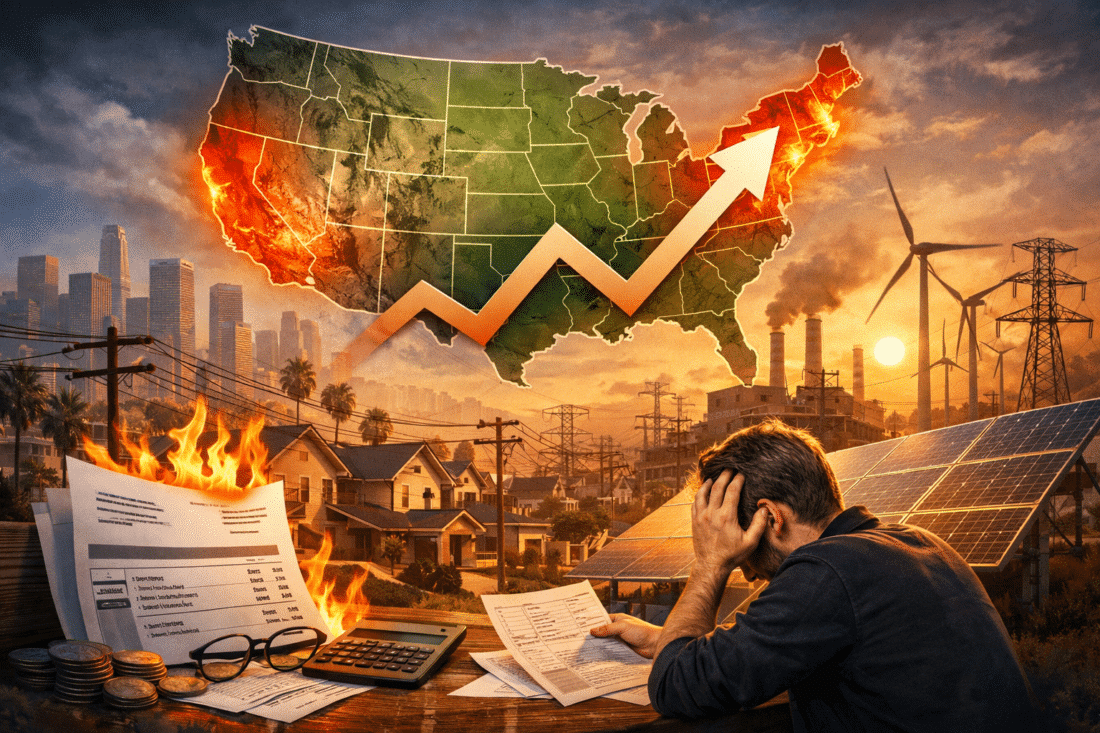

The Great Unraveling: Why Falling Home Prices Are Just the Beginning

America’s Housing Market Is Cracking — And They’re Calling It "Normal"
You may have seen the headlines: over 53% of U.S. homes lost value this year, according to Zillow. Corporate media calls it a "cooling off" or a "normalization." But behind the reassuring language is a very real, very dangerous unraveling — one that’s being downplayed for the sake of confidence, not truth.
If you were around for the 2008 crash, or if you’ve studied it, you’ll recognize the early signs: price softening, buyer hesitation, rate whiplash, and rising debt exposure. The only difference now is that the underlying system is even more fragile — and this time, the government has fewer tools, more debt, and less credibility.
What They’re Not Telling You About These Price Declines
Let’s unpack this idea that housing is "correcting" but not "crashing." That framing is engineered to prevent panic, but it’s also economically dishonest. Here’s what they’re not talking about:

1. Inflation Has Already Eaten Your Equity
Median home values may be up 67% over the past 8.5 years — but that’s in nominal dollars. Adjust for inflation, and the picture darkens fast. When the dollar loses purchasing power — and it has, aggressively, since 2020 — those supposed gains don’t translate to real wealth.
If your home's worth went from $300,000 to $500,000 over ten years, but the cost of food, fuel, insurance, and construction all doubled during that time? You're treading water, not building wealth.
2. Debt Is Surging While Income Stagnates
The average American family is now carrying record levels of credit card debt, auto loan burdens, and mortgage payments that have doubled in just three years. Wage growth, meanwhile, has been outpaced by inflation every single year since 2020. That is not a stable foundation — it’s a powder keg.
And yet, the mainstream insists this is "just a soft patch." That’s delusional.
3. Institutional Investors Are Waiting to Pounce
When home prices fall and sellers panic, who shows up with cash? It’s not young families or retirees — it’s BlackRock, Invitation Homes, and the other Wall Street-backed vultures that buy neighborhoods, not homes.
This is no conspiracy theory. This is public record. Corporations now own one out of every seven rental properties in the U.S., and their goal is simple: turn what used to be family-owned real estate into long-term rent streams.
Welcome to the rentership society — where you own nothing, and they profit forever.
The Fed Has No Easy Way Out
The Federal Reserve is trapped in a corner of its own making. If it keeps rates high to combat inflation, it kills off housing demand. But if it slashes rates again to juice the economy, it risks reigniting inflation and gutting the dollar’s credibility even further.
And the banks? They’re not helping either. Small and regional banks remain under pressure, particularly those heavily exposed to real estate and commercial loans. We’ve already seen multiple banks go under in the past two years, and the risk of contagion is far from over.
Don't Trust the “Normalization” Narrative
Zillow’s economist says this isn’t a crash, just a cooling-off. That’s like saying the Titanic wasn’t sinking, just adjusting its elevation.
Ask yourself this: who benefits from calm markets and obedient consumers? The answer is always the same — those who already control the money, the land, and the leverage. You’re not supposed to panic. You’re supposed to keep working, keep spending, and keep making monthly payments.
But if you’re paying attention, now’s not the time for complacency. Now’s the time for action.
How to Shield Yourself from What’s Coming Next
Housing is just one fault line in a larger, more dangerous tectonic shift. Currency instability, rising authoritarian control, creeping surveillance over financial accounts — these are all connected.
You can’t wait for CNN or Fox Business to tell you when it’s time to act. By then, it’s too late.
If you want to protect your savings, your property, and your financial sovereignty, you need to take independent steps now. That starts with understanding the risks to your banked assets, your mortgage, and your purchasing power.
🛡️ Get the Tools You Need:
- 📘 Download Bill Brocius' free guide, 7 Steps to Protect Your Account from Bank Failure — essential reading for anyone holding assets in the U.S. banking system.
- 🔐 Subscribe to Bill’s Inner Circle Newsletter for $19.95/month. You'll get weekly intelligence on currency risk, banking instability, housing fallout, and how to survive what’s next.
- 📚 Read Bill's groundbreaking book, “End of Banking As You Know It.” It’s not just a warning — it’s a map.
Conclusion: Don’t Wait for the Crash to Be Official
Just because a crisis isn’t headline news yet doesn’t mean it isn’t happening. Housing is the canary in the coal mine — and the bird just dropped dead.
Secure your money. Safeguard your home. And stop believing that the system will take care of you. It won’t.
Download the guide. Join the Inner Circle. Prepare.
Links: