The New American Dream: Risky Bets, No House, and the Rise of Financial Desperation

The Research That Pulled Back the Curtain
A joint study by Seung Hyeong Lee (Northwestern University) and Younggeun Yoo (University of Chicago), bluntly titled “Giving Up”, digs into how hopelessness in housing markets is reshaping the financial behaviors of young Americans.
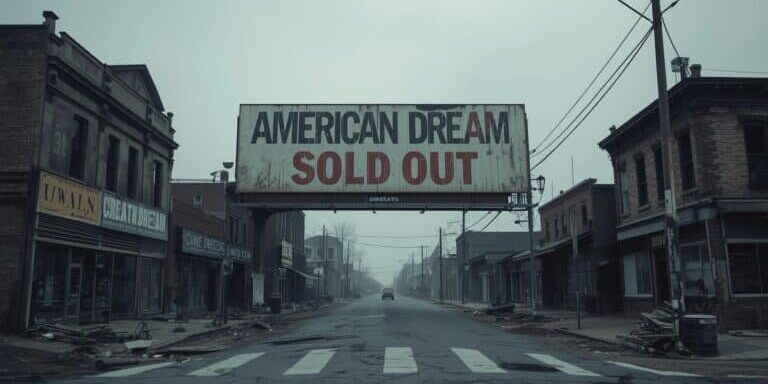
Their core finding? The dream of homeownership is fading—and it’s not just sad, it’s transformational. Born in the 1990s, the so-called “millennial” generation is projected to retire with a homeownership rate nearly 10 percentage points lower than their parents. That's not just a statistic. It's a cultural and economic fracture.
When people believe they’ll never own property, their entire approach to money, work, and investing changes—and fast.

Spending More, Saving Less, and Betting on Volatility
The study shows that when younger Americans feel homeownership is off the table, they pivot:
- Credit card spending spikes.
Not for fun—just survival. If you can’t invest in equity, might as well swipe to live. - Work effort declines.
Why grind harder when the prize—the house, the land, the security—has already been taken off the board? - Risky investment surges.
Crypto, meme stocks, speculative side hustles. A generation is rolling the dice because the stable paths are already blocked.
Renters with wealth below the median U.S. home price are far more likely to engage in crypto markets than homeowners with similar wealth. That’s not a coincidence—it’s the survival instinct of a class shut out from the fiat-funded dreamworld their parents lived in.
Financial Behaviors Are Now Political Signals
The real story here? Financial behavior has become an act of rebellion—or resignation.
Younger people aren’t lazy or irrational. They’re reading the room. They know inflation is baked in. They know the Fed’s "soft landing" myth is a smoke show. And they know that buying a home is no longer a financial step forward—it’s a rigged game.
So what do they do? They opt out. Quiet quitting, loud spending, decentralized speculation. These aren’t vices. They’re signals. The system is broken, and they’re done pretending it isn’t.
“Help” That Keeps the Game Rigged
The authors of the study suggest targeted housing subsidies as a fix. Sounds nice, but don’t take the bait.
Because here’s the truth: handing out subsidies without fixing the supply crisis only feeds the monster. It drives prices even higher, enriches the property class, and traps the young in deeper debt. That’s not a solution. That’s controlled demolition disguised as policy.
Why This Matters for the Resistance
If you’re reading Dedollarized News, you already know the script: the fiat system is collapsing. FedNow is already online, setting the infrastructure for instant, traceable payments through centralized rails. While Trump issued an executive order banning CBDCs, don’t be fooled—that’s a political pause, not a structural rollback.
The real story is ISO 20022—the international “data superhighway” quietly enabling interoperability between global payment systems and future CBDCs. That’s the pipework. All they need is the green light, and your money becomes programmable, censorable, and surveilled.
And now, the very idea of owning real assets—like land—is being priced out of reach.
That’s why this story isn’t just a study. It’s a warning flare.
The shift away from homeownership means younger generations are no longer tied to traditional systems of credit, taxation, and savings. They're becoming harder to control—and that's when the system tightens the screws.
The Wealth Gap Is Now a Control Gap
Those who own assets—especially real estate—will weather what’s coming. Those who don’t? They're betting on crypto, gig apps, and TikTok side hustles in hopes of catching a lifeline.
That’s not just economic division. It’s strategic. Keep enough people desperate, and you keep them controllable.
And the ones who dare to build alternative systems—local trade, physical assets, decentralized tech—they’re labeled fringe, or worse: threats.
What Comes Next—and What You Should Do About It
This isn't about nostalgia for the white picket fence. It's about recognizing that the traditional paths to independence are being shut down—and replaced with centralized, programmable alternatives.
If you're not taking steps now to opt out of their financial trap, you’re volunteering for servitude.
🔥 Final Word: The Time to Exit Is Now
What we’re seeing is the slow but deliberate collapse of financial autonomy—especially for those who refuse to play by the central bank’s rules. If homeownership is slipping away, it's not because young people failed. It's because the system decided ownership was too dangerous to allow everyone.
You need to prepare. Not tomorrow. Not next year. Now.
Get the intel. Build your defense. Download the Digital Dollar Reset Guide and start reclaiming your economic autonomy before ISO 20022 becomes the autobahn for global financial control.
👉 Download the Digital Dollar Reset Guide now
This isn’t optional. It’s survival.