How Energy Inflation Could Force the Federal Reserve Into Another Tightening Cycle

Energy Inflation Is the Most Difficult Type of Inflation to Control
Not all inflation behaves the same way.
Some inflation comes from excess demand — consumers spending too quickly while supply struggles to keep up. Central banks can usually address that type of inflation by raising interest rates and slowing borrowing.
Energy inflation is different.

When oil prices surge, the cause is often a supply disruption, geopolitical conflict, or transportation bottleneck. Monetary policy cannot produce more oil or immediately restore disrupted supply chains.
That means central banks have limited tools to stop the spread of energy-driven price increases.
Once energy costs rise, they quickly spread across the entire economy.
Higher fuel prices increase the cost of:
- transportation
- manufacturing
- shipping
- agriculture
- airline travel
- food distribution
Because energy touches nearly every industry, inflation triggered by oil prices tends to spread quickly and persist longer than other types of inflation.
Rising Oil Prices Ripple Through the Entire Economic System
Energy is the foundation of global economic activity.
When oil prices rise sharply, businesses face immediate cost increases. Those costs eventually pass through to consumers.
Transportation companies pay more for fuel.
Manufacturers face higher production costs.
Farmers pay more for diesel and fertilizer.
Retailers pay more to move goods across supply chains.
The result is broad price increases across the economy.
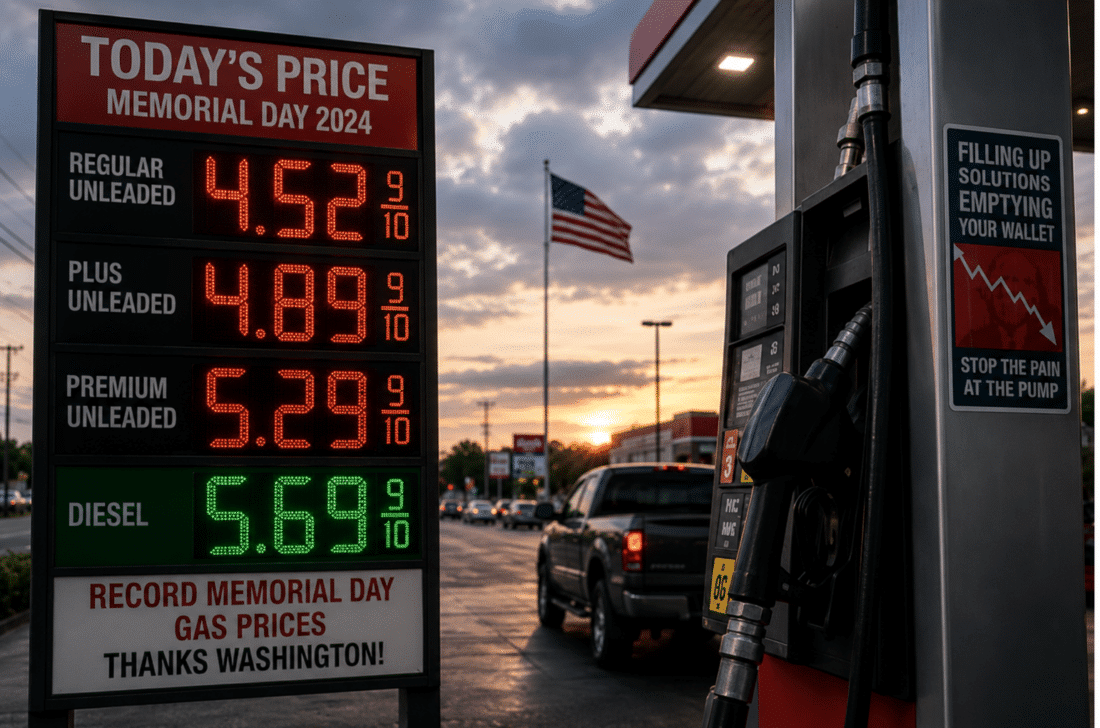
Consumers often feel the impact first at gas stations, but the second wave arrives through rising food prices, shipping costs, and higher prices on everyday goods.
Because these increases occur simultaneously across industries, they can quickly push overall inflation higher.
The Federal Reserve May Be Forced to Keep Interest Rates Higher for Longer
If inflation begins rising again due to energy prices, policymakers at the Federal Reserve may face a difficult decision.
Central banks typically respond to inflation by raising interest rates to slow economic activity. Higher borrowing costs reduce spending and investment, eventually bringing price growth down.
However, when inflation is driven by energy costs, the strategy becomes more complicated.
Raising rates does not increase oil supply or resolve geopolitical conflicts affecting energy production. Yet central banks may still feel pressure to maintain tighter monetary policy to prevent inflation expectations from spiraling.
In practical terms, that means interest rates may stay elevated longer than markets currently expect.
And that has major consequences for the broader economy.
Higher Interest Rates Would Pressure Housing Markets
The housing market is particularly sensitive to interest rate changes.
Mortgage rates rise when central banks keep borrowing costs elevated. As financing becomes more expensive, fewer buyers can qualify for loans.
This often results in:
- declining home affordability
- slowing home sales
- downward pressure on property prices in some regions
Construction activity may also slow as developers face higher financing costs.
Housing has historically been one of the first sectors to weaken during prolonged periods of tight monetary policy.
Corporate Borrowing Costs Could Increase Across the Economy
Businesses depend heavily on access to credit.
Companies use loans and bond financing to expand operations, build facilities, and invest in new technology.
When interest rates remain high, those borrowing costs increase dramatically.
Higher financing costs can force companies to:
- delay expansion projects
- reduce hiring
- scale back capital investments
In highly leveraged sectors, prolonged high rates can also increase the risk of corporate debt stress.
Government Debt Servicing Becomes More Expensive
Higher interest rates affect governments as well.
The United States currently carries a massive national debt that must be financed through Treasury bonds.
As interest rates rise, the cost of servicing that debt also rises.
This means a larger portion of government revenue must go toward interest payments rather than public services, infrastructure, or economic programs.
Over time, rising debt servicing costs can create additional pressure on fiscal policy.
Consumers Feel the Pressure Through Credit Costs
Households are also heavily affected by rising borrowing costs.
Credit cards, auto loans, and personal loans all become more expensive when interest rates remain elevated.
Consumers carrying debt may see:
- higher monthly payments
- reduced disposable income
- tighter household budgets
When consumers cut spending, economic growth slows further.
Since consumer spending drives a large portion of the U.S. economy, prolonged credit pressure can amplify economic slowdowns.
Energy Shocks Often Expose Fragilities Already Building in the System
Energy price spikes rarely occur in isolation.
They tend to collide with existing economic pressures that are already building beneath the surface.
Periods of rising interest rates combined with supply-driven inflation have historically exposed vulnerabilities across financial systems.
In past economic cycles, energy shocks have often acted as the catalyst that reveals deeper structural weaknesses in markets, debt levels, and financial institutions.
That’s why economists and policymakers watch oil markets closely during periods of geopolitical tension.
Energy disruptions can move quickly from a supply issue to a full economic stress event.
The Bottom Line: Energy Inflation Can Reshape the Economic Outlook
The recent surge in oil prices is a reminder that energy markets remain deeply connected to the stability of the global economy.
If disruptions persist or prices remain elevated, central banks may have little choice but to keep monetary policy tighter for longer.
That could place simultaneous pressure on:
- housing markets
- corporate borrowing
- government debt levels
- consumer credit
When these forces collide, economic conditions can shift quickly.
History has shown that energy shocks often arrive just before major turning points in the financial system.
The Next Phase of the Financial System May Already Be Taking Shape
Periods of economic stress often accelerate major changes in how financial systems operate.
New payment infrastructures, evolving monetary tools, and expanding digital financial frameworks are already being developed behind the scenes.
These developments are closely tied to growing discussions around central bank digital currencies, programmable money systems, and the expanding capabilities of instant payment networks like FedNow.
For individuals paying attention to the direction of the financial system, understanding these shifts has become increasingly important.
If you want a deeper breakdown of what these developments could mean — and practical steps people are taking to prepare — the next step is to read The Digital Dollar Reset Guide.
This free guide explains:
- how central bank digital currencies could reshape the monetary system
- how programmable money may affect financial freedom
- why instant payment systems like FedNow are becoming the backbone of the next financial era
- and strategies individuals are using to protect their financial autonomy before these changes fully arrive