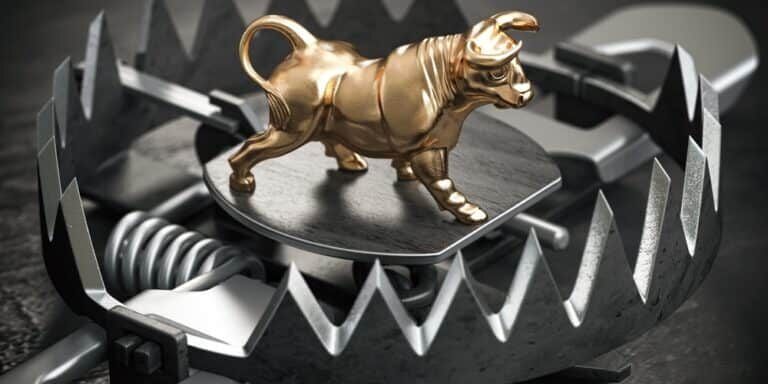
The Market Looks Calm… But You Should Be Hedging Right Now

The Market Is Acting Like Nothing Is Wrong
On the surface, everything looks calm.
The S&P 500 sits just a few percentage points from its highs. Financial television continues its steady rhythm of optimism. Analysts reassure investors that the market has already absorbed the latest geopolitical shocks.
But anyone who has spent enough time inside financial markets understands something uncomfortable:

The most dangerous moments rarely arrive when everyone is panicking.
They arrive when no one is.
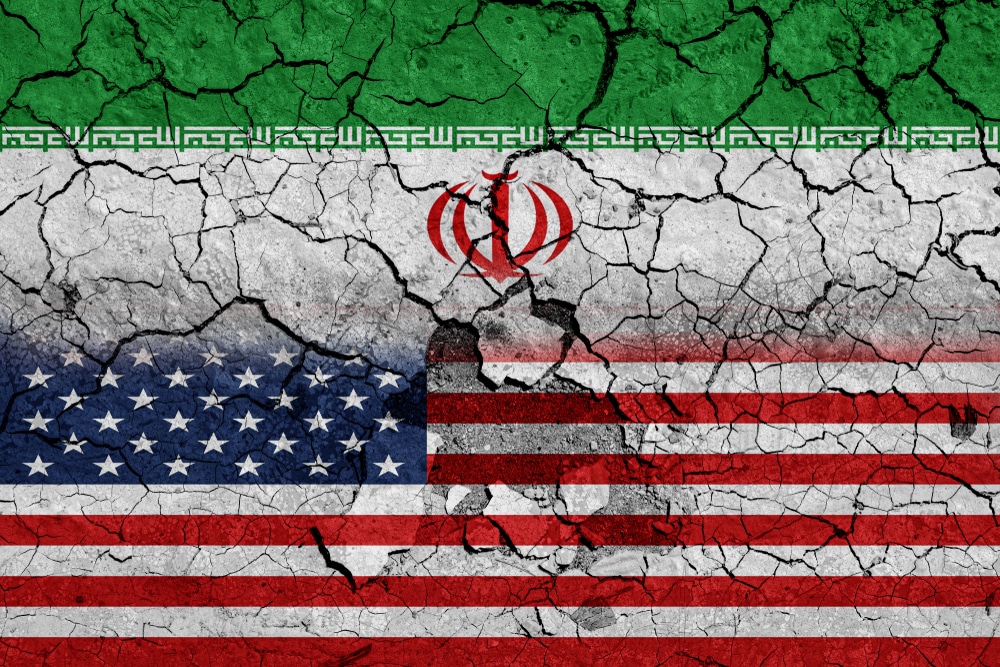
Right now, investors are watching military conflicts escalate, oil prices surge, and global tensions rise—and the market barely flinches.
That should raise an eyebrow.
Because when markets begin ignoring risk entirely, it often signals something deeper: a growing sense of complacency.
And complacency is rarely a stable foundation for financial markets.
Oil Is Sending a Message Most Investors Are Ignoring
One of the clearest warning signals today is coming from the energy market.
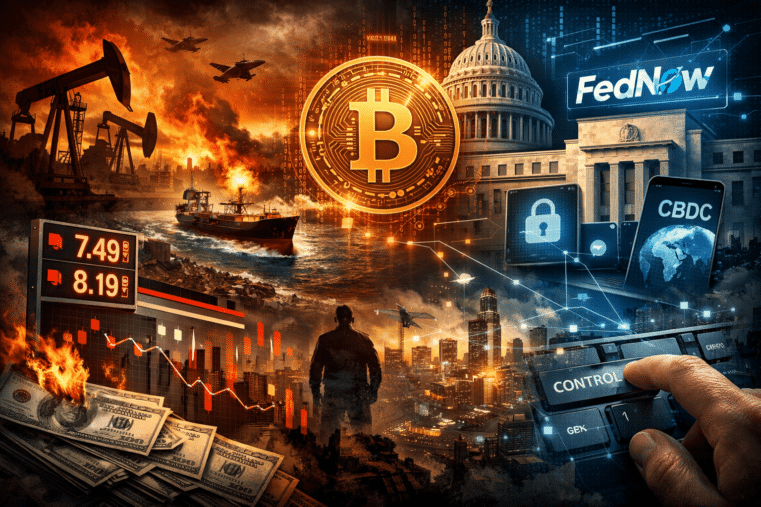
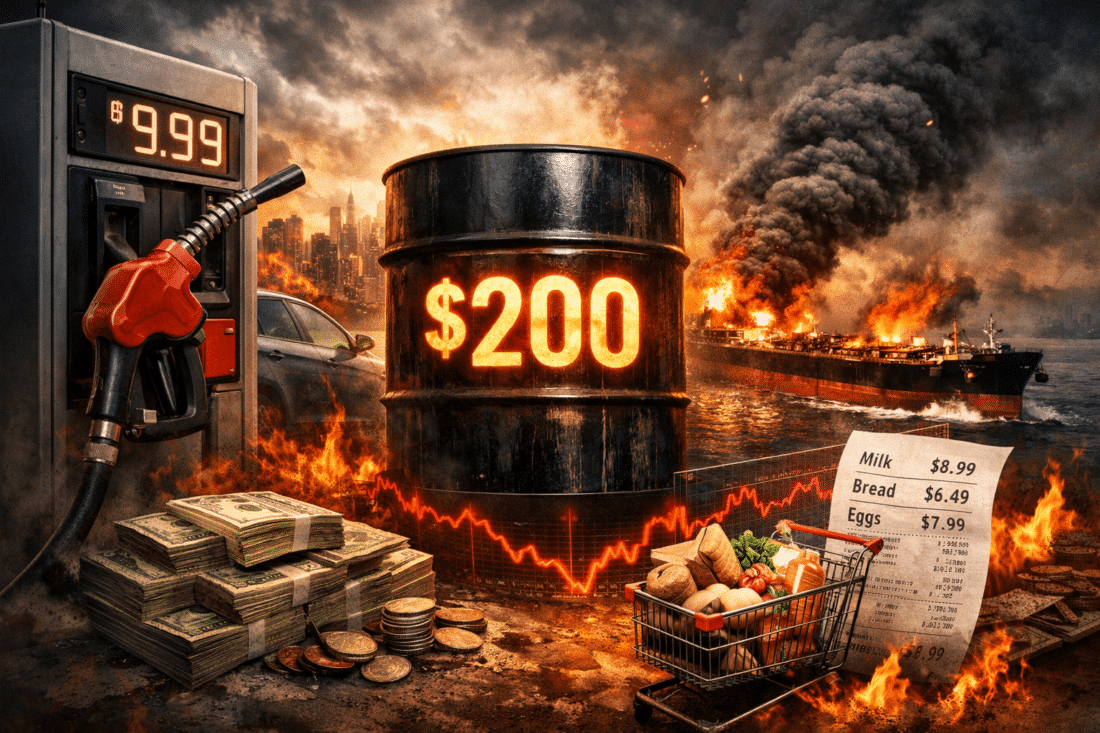
Oil prices have surged sharply, pushing toward levels that historically begin to strain the global economy. For many investors, oil feels like a distant commodity—something that affects gas prices but little else.
In reality, oil is the bloodstream of the global economy.
When oil rises dramatically:
- Transportation costs increase
- Manufacturing costs climb
- Consumer spending power shrinks
- Inflation pressures intensify
And when oil crosses certain thresholds—particularly the psychologically important $100-per-barrel level—economic stress often follows.
History has shown this repeatedly.
Energy shocks have preceded some of the most painful economic slowdowns of the past half century.
Yet today, the stock market appears to be brushing this off as background noise.
That doesn’t mean the market is wrong.
But it does mean the market may be underestimating the risks.
The “Buy the Dip” Mindset Has Become a Reflex
There’s another force shaping investor behavior right now—one that has been building quietly for more than a decade.
Since the financial crisis of 2008, investors have been conditioned to believe that every market dip is temporary.
And in fairness, that belief has been rewarded.
Central banks have spent years injecting liquidity into financial markets. Interest rates were pushed to historic lows. Massive stimulus programs supported asset prices during every major downturn.
The result?
A generation of investors now views market declines as opportunities rather than warnings.
But markets operate in cycles.
And when investors become too confident that every dip will be rescued, the eventual correction can arrive with startling speed.
History reminds us of this again and again.
Before the tech bubble burst in 2000, investors believed the market could only move higher.
Before the financial crisis in 2008, housing prices were assumed to be unstoppable.
Confidence has a way of building right before reality intervenes.
Geopolitical Risks Are Being Treated Like Background Noise
Another unusual feature of today’s market is how easily investors are shrugging off geopolitical tensions.
Conflicts involving major energy-producing regions carry the potential to disrupt global supply chains, shipping routes, and commodity flows.
Even when those disruptions remain temporary, they can ripple through the financial system.
Energy markets tighten. Inflation pressures rise. Central banks face difficult decisions.
Yet despite these risks, the market appears to be making a simple assumption:
That everything will resolve quickly.
Perhaps it will.
But geopolitics rarely moves according to investors’ timelines.
Escalations happen. Miscalculations occur. Events spiral.
Markets often react only after those developments become unavoidable.
Volatility Has a Habit of Appearing Out of Nowhere
One of the most important lessons in market history is that volatility rarely sends an invitation.
It simply arrives.
Often after long periods of calm.
The financial world has seen this pattern many times.
Markets grind higher for months. Investors grow comfortable. Risk feels manageable.
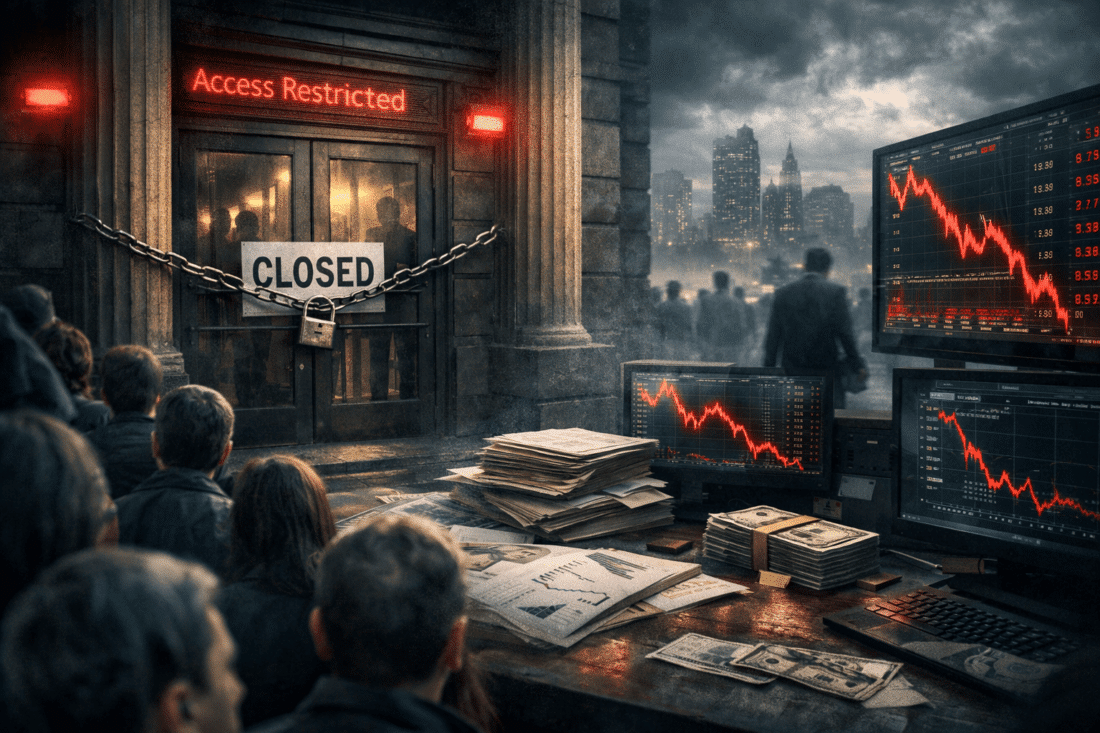
Then suddenly—sometimes within weeks—the environment shifts.
A geopolitical shock. A liquidity event. A sudden change in economic data.
And the calm disappears.
This is why experienced investors focus less on predicting precise outcomes and more on managing exposure to risk.
The goal isn’t to forecast the exact moment volatility arrives.
The goal is to avoid being caught unprepared when it does.
Why Hedging Matters in This Environment
For investors who hold diversified portfolios—including stocks, precious metals, and other assets—the current environment may be a good time to revisit one of the most important principles in investing:
Protection.
Hedging is not about pessimism.
It is about prudence.
Throughout history, investors have used several tools to protect themselves when uncertainty rises.
Precious Metals
Gold and silver have served as financial anchors for centuries. When inflation rises, currencies weaken, or financial systems wobble, investors often return to tangible stores of value.
Energy Exposure
Energy assets frequently benefit during periods of geopolitical tension and rising oil prices.
Defensive Positioning
Reducing concentrated exposure in overheated sectors can help limit damage if volatility returns.
Liquidity
Cash reserves provide flexibility—allowing investors to act when markets present opportunities rather than reacting out of fear.
The goal isn’t to abandon markets.
The goal is balance.
Because strong markets can continue longer than expected—but they can also change direction faster than most investors imagine.
The Real Question Investors Should Be Asking
So what should investors take away from this moment?
Not panic.
Not fear.
But awareness.
Markets are sending mixed signals.
On one hand, asset prices remain strong. On the other, several macroeconomic risks are quietly building beneath the surface.
Rising energy prices. Escalating geopolitical tensions. Growing investor complacency.
None of these guarantees a crash.
But together they create an environment where volatility becomes more likely.
And when volatility returns, it rarely gives investors much time to prepare.
The question every investor should ask themselves is simple:
If the calm ends tomorrow, will your portfolio be ready?
A Final Word From Mr. Anderson
For decades, I’ve watched the financial system evolve—from paper markets to algorithmic trading to the emerging world of digital currency infrastructure.
And one truth remains constant.
Financial systems rarely change gradually.
They change suddenly.
Today, the warning signs are subtle, but they’re there.
A market ignoring risk. Energy markets flashing caution. Investors growing increasingly confident that nothing can derail the rally.
Maybe the market keeps climbing.
But smart investors understand something important:
Preparation is never wasted.
Protect Yourself Before the System Changes
If you’re beginning to sense that the financial system is entering a new phase—one defined by rising volatility, centralized control, and the potential rollout of programmable digital money—you’re not alone.
The truth is, the global monetary system is undergoing a transformation that most investors still don’t fully understand.
And those who prepare early will be in a far stronger position than those who wait.
That’s why I strongly recommend downloading The Digital Dollar Reset Guide by Bill Brocius.
Inside, you’ll discover:
- How central banks are preparing to roll out programmable digital currencies
- Why systems like FedNow could reshape how money moves through the economy
- What steps everyday investors can take today to protect their wealth
- And why physical assets like gold and silver may play a critical role in preserving financial independence
The window to prepare may be smaller than most people realize.
Download the Digital Dollar Reset Guide now and take the first step toward protecting your financial sovereignty.