The Real Stakes Behind the Abraham Lincoln Standoff: Parsing the Iran Threat Narrative

The USS Abraham Lincoln—Symbol or Target?
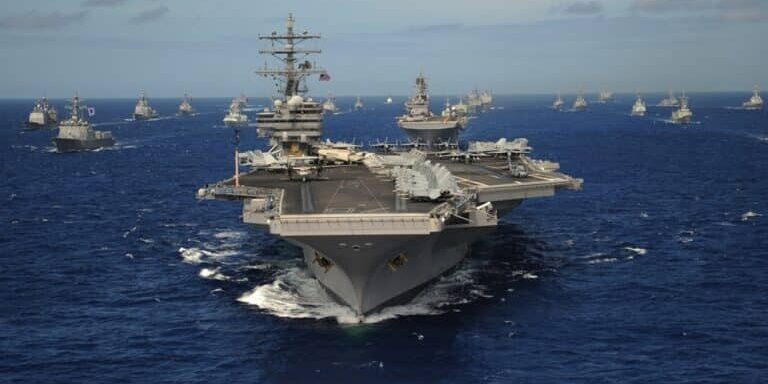
The article centers on the USS Abraham Lincoln, a U.S. aircraft carrier being moved toward Iranian waters amid Rising War Threats in the region. The symbolism here is potent—an unmistakable show of strength by the U.S., but also a high-value target if things go south. The concern raised about the carrier’s vulnerability to a swarm of Iranian missiles or drones—particularly the Russian-made SS-N-22 Sunburns—is not unfounded. Naval experts have warned about the limitations of even the most advanced defenses against saturation attacks.
What’s credible: Modern carriers, despite their immense power, are not invincible—especially if caught within range of fast, low-flying missiles. Iran’s missile program has grown substantially, and asymmetric warfare is their specialty.
Where it leans too hard: Suggesting that the Abraham Lincoln is essentially a floating coffin may be premature. The U.S. Navy doesn’t deploy assets like this lightly, and their defensive protocols are extensive, albeit not perfect.

Iranian Provocations—Propaganda or Preparation?
The Iranian mural showing a bloodied U.S. carrier isn’t subtle. The slogan “If you sow the wind, you will reap the whirlwind” leaves little doubt about the regime’s messaging strategy.
What’s credible: Iran’s leadership frequently uses visual propaganda to send messages—both to their citizens and foreign adversaries. Their intent to project defiance is clear.
Where it escalates: Assuming this mural is a direct prelude to war may overstate the case. Propaganda doesn’t always equal imminent action. It often signals domestic insecurity or an attempt to deter aggression without engagement.
Trump's Warning—Calculated Bluff or Final Countdown?
Trump’s Truth Social post about “time running out” carries rhetorical weight but leaves room for ambiguity. Naming the Abraham Lincoln specifically was likely intended to send a clear message.
What’s credible: The U.S. has likely drawn red lines that Iran is testing. Trump’s style has always been brash, and his base responds to strongman posturing.
Where it leans too far: Declaring this as a “final warning” assumes imminent action. It’s just as plausible that this is high-stakes brinkmanship meant to force diplomatic movement.
Iran’s Response—Real Threat or Strategic Theater?
Iranian officials responded with equally fiery rhetoric. Their statement about defending with unprecedented force echoes past warnings, but the language has undeniably escalated.
What’s credible: Iran has shown it’s willing to retaliate—just ask U.S. forces in Iraq after the Soleimani strike. They’ve also invested heavily in missile development, and regional proxies like Hezbollah extend their reach.
Where it gets exaggerated: The idea that Iran is “eager” to engage the U.S. in open war ignores their strategic reality—they know such a war would be devastating. Their threats are most likely designed to deter, not provoke.
Regional Dominoes—If One Missile Launches, Who’s Next?
The article rightly points out that any strike will trigger a cascade: Iran fires at U.S. bases or assets, Israel responds, and before long, the region is engulfed.
What’s credible: This is the nightmare scenario that keeps generals and diplomats up at night. One spark could lead to a multi-front conflict involving the U.S., Israel, Hezbollah, and possibly regional powers like Saudi Arabia.
What’s speculative: Saying “nothing will ever be the same again” is hyperbolic. Yes, the consequences would be severe, but not necessarily apocalyptic.
Human Atrocities in Iran—Real, but Context Matters
The article spends a considerable amount of time describing Iran’s brutal crackdown on protesters. The cited death tolls and mass executions are horrifying, and the eyewitness testimony is harrowing.
What’s credible: The regime has a long history of violent repression, and these accounts are consistent with what human rights organizations have reported.
Where it slips: The jump from internal brutality to external war-making isn’t automatic. Brutal regimes don’t always take on superpowers—they often use repression to maintain power, not start wars they’re likely to lose.
Is War Imminent?
The article frames war as a near-certainty, painting a scenario where missiles are about to start flying. While this is possible, several diplomatic and strategic factors still point to restraint.
Military movements are often used to pressure negotiations.
Both sides know the cost of escalation.
Regional players like Turkey and Qatar may serve as backchannels to deescalate.
So, while the risk is elevated, declaring this a "point of no return" might be premature.
Final Thoughts: Be Alert, Not Alarmed
The original piece is dripping with urgency and apocalyptic tone—but there are serious issues at stake. The U.S. and Iran remain bitter adversaries, and with every provocation, the margin for error shrinks.
But we must distinguish legitimate concern from manufactured panic.
Why? Because fear sells—and not just newspapers. Fear justifies defense budgets, surveillance programs, financial instability, and potentially the rollout of digital controls under the guise of "national emergency readiness."
In short: if war breaks out, expect domestic consequences beyond just foreign headlines. Watch for increased censorship, economic "emergency measures," and growing calls for centralized financial control—especially through systems like FedNow or future CBDCs.
Call to Action: Prepare Before It’s Too Late
If you've been paying attention, you already know where this is heading. War overseas has a habit of justifying crackdowns at home—financial surveillance, digital rationing, and a tighter grip on how you access your money.
Don't wait for the next crisis to be the excuse for rolling out FedNow and digital dollars disguised as "stability." Take control now. Download the Digital Dollar Reset Guide—a critical intel drop from Bill Brocius that breaks down how programmable money, CBDCs, and financial control grids are being quietly installed under the radar.
This isn’t just a guide—it’s your financial survival playbook.
Get it here: Digital Dollar Reset Guide
Because if you don’t prepare now, you’ll be at the mercy of the system later.