THEY DIDN’T TAKE YOUR MONEY—THEY JUST MADE SURE YOU COULDN’T USE IT

The Shutdown That Exposed Everything
Forty-four days.
No paychecks.
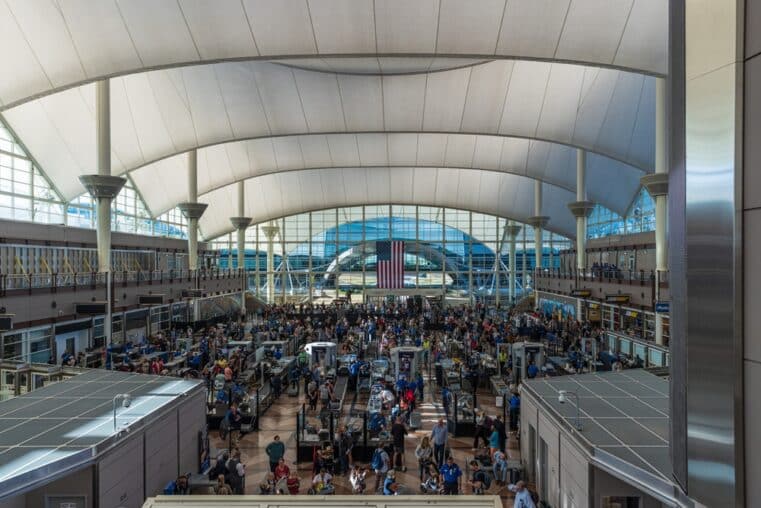
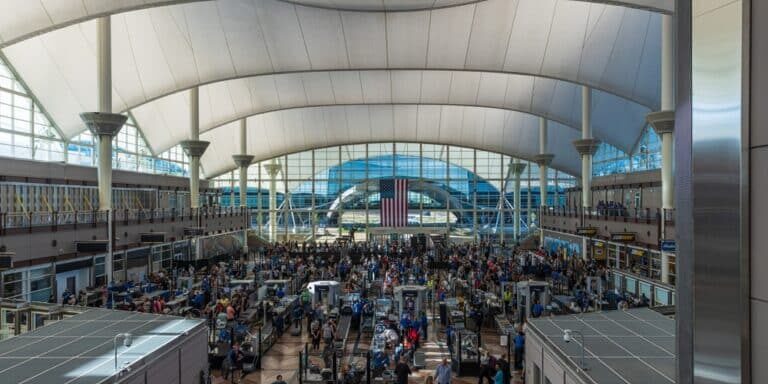
Hundreds of TSA agents walking off the job.
Not because they didn’t want to work.
Because they couldn’t afford to.
Let that sink in.

These are people who were owed money—money they had already earned.
But they couldn’t access it.
So they couldn’t:
- Buy groceries
- Pay rent
- Fill up their gas tanks
And eventually… they couldn’t keep showing up.
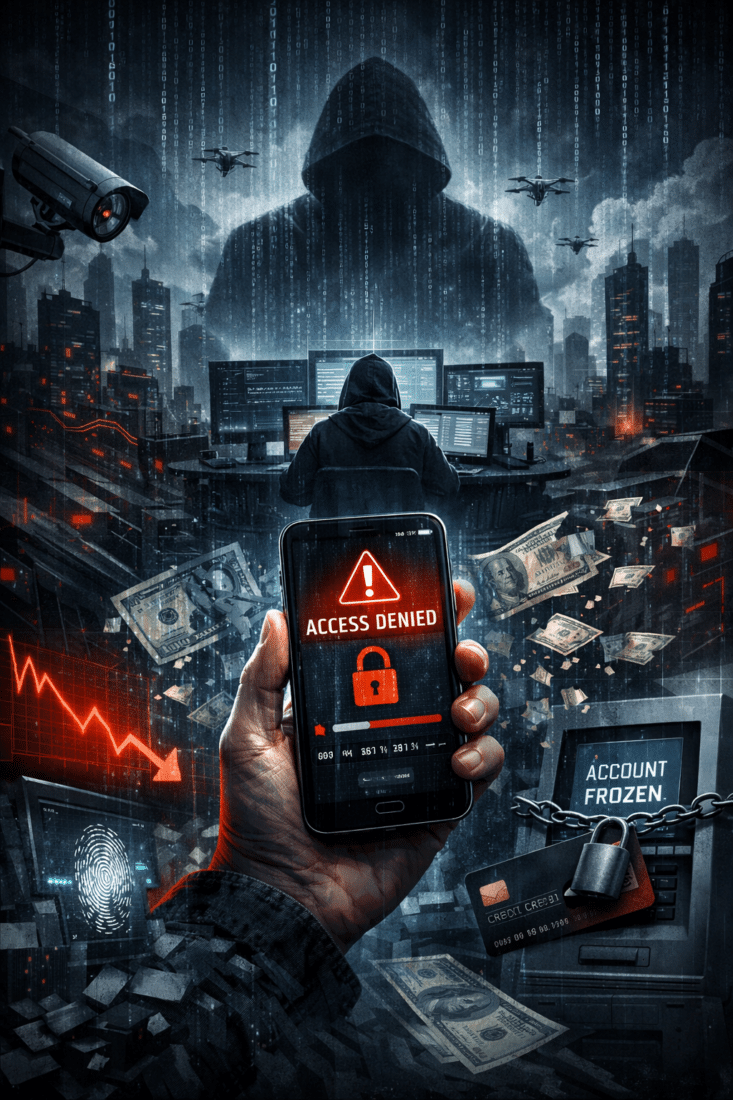
This Is What a “Soft Financial Lockdown” Looks Like
No one confiscated their bank accounts.
No one seized their assets.
But the result was the same:
They couldn’t function financially.
This is what can be called a Soft Financial Lockdown:
- No dramatic headlines
- No official seizure
- Just delayed access
And in real life?
That’s all it takes.
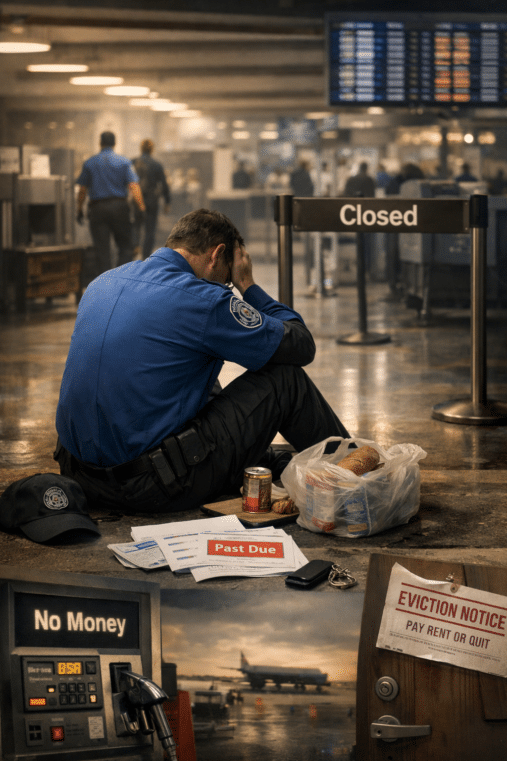
Because when access to money is disrupted—even temporarily—
your entire life stalls.
Soft Confiscation: The Threat Nobody Talks About
Here’s the uncomfortable truth.
Most Americans think financial risk looks like this:
- Bank failures
- Government seizures
- Economic collapse
But what we just saw is something different.
Something quieter.
Soft Confiscation.
Your money isn’t taken.
It’s not erased.
It’s just… not there when you need it.
And that creates the same outcome:
- Missed payments
- Mounting stress
- Forced decisions
The system doesn’t have to take your money.
It just has to interrupt your access to it.
When the System Freezes, You Freeze With It
The DHS shutdown revealed something deeper than politics.
It exposed dependency.
- Workers depend on centralized payroll systems
- Travelers depend on TSA infrastructure
- Entire systems depend on continuous funding flows
And when those flows stop?
Everything backs up.
Airports.
Security.
People’s lives.
This isn’t just inefficiency.
This is fragility.
“You’ll Get Paid Eventually” Doesn’t Pay the Bills
Politicians love to say:
“They’ll get their money.”
But timing matters.
Because real life runs on cash flow, not promises.
- Rent is due now
- Groceries are needed now
- Gas is needed now
A delayed paycheck isn’t an inconvenience.
It’s a disruption of survival.
And for many Americans living paycheck to paycheck,
there is no buffer.
Now Imagine This at Scale
What happens when this kind of disruption isn’t limited to a shutdown?
What happens when:
- Payment systems glitch
- Compliance checks delay transactions
- Digital infrastructure flags or pauses activity
Not permanently.
Just temporarily.
But long enough.
That’s the direction modern financial systems are moving toward—
more centralized, more digitized, more controlled.
And with that comes a simple reality:
Access can be interrupted.
The Real Risk Isn’t Losing Money—It’s Losing Access
This is where most people get it wrong.
They focus on ownership.
But the real issue is access.
Because what good is money if:
- You can’t use it when needed?
- You can’t move it freely?
- You can’t rely on timing?
That’s the shift happening right in front of us:
From ownership → to conditional access.
And once that shift takes hold,
everything changes.
This Was a Warning Shot
The DHS shutdown wasn’t just political theater.
It was a real-world example of how quickly financial stability can unravel when systems stall.
No conspiracy required.
No dramatic collapse.
Just a breakdown in process.
And suddenly:
- Workers quit
- Services fail
- Pressure builds
All because money didn’t move when it was supposed to.
Final Word: Control the Timing, Control the Outcome
You don’t need to seize wealth to control people.
You don’t need to ban spending to restrict behavior.
All you have to do is control when and how money moves.
Delay it.
Interrupt it.
Condition it.
And everything downstream follows.
That’s not theory.
We just watched it happen.
Don’t Wait Until It Hits You
If this situation showed anything, it’s that most people are not prepared for even a short disruption in financial access.
If you want to stay ahead of what’s coming—and understand how to protect yourself from these kinds of risks—then it’s time to go deeper.
Because in a system like this…
Access isn’t guaranteed.