Toxic No More? General Mills Joins Corporate Exodus From Synthetic Food Dyes—But Don’t Trust the Motive

General Mills Falls in Line
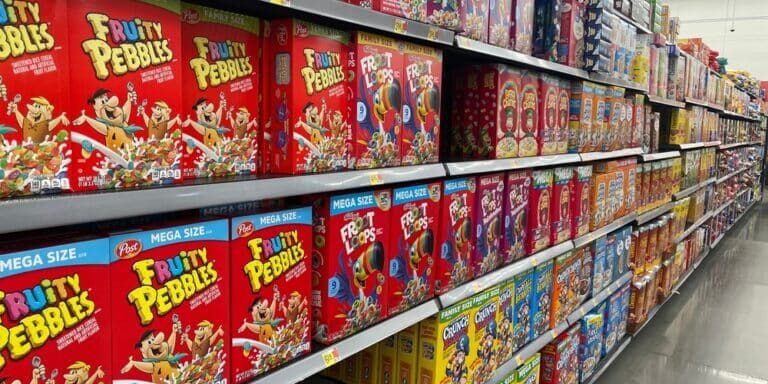
General Mills just announced it will remove synthetic food dyes from its products, starting with its iconic cereals and school food offerings by summer 2026, followed by its full U.S. retail portfolio by the end of 2027. While this may sound like a win for public health—and to some degree, it is—it’s also a textbook example of how corporate giants react to political pressure and regulatory overreach, not consumer advocacy. Make no mistake: this decision comes on the heels of government directives, not corporate conscience.
The Minnesota-based conglomerate, home to household brands like Cheerios, Betty Crocker, Pillsbury, and Häagen-Dazs, confirmed in a June 17 statement that 85% of its current U.S. retail products already exclude synthetic dyes. That’s a convenient figure, considering that decades of damage to children’s health from these petroleum-based chemicals have already been done.
Government Directives Disguised as “Health Policy”
The timing of this move isn't accidental. It mirrors a broader campaign by the Department of Health and Human Services (HHS) and the FDA to "Make America Healthy Again"—a top-down initiative that sounds eerily similar to the type of social engineering we see in centralized economies. HHS Secretary Robert F. Kennedy Jr. openly admitted these synthetic dyes offer “no nutritional value” and are linked to developmental issues in children. True enough. But ask yourself: where was this righteous indignation 20 years ago when these dyes flooded school cafeterias, candy aisles, and breakfast tables?

Corporations Rush to Comply, Not Reform
Following the federal push, major food corporations are scrambling to adjust. Kraft Heinz has vowed to eliminate artificial colors from all U.S. products by 2027. Tyson Foods, WK Kellogg, PepsiCo, and even Walmart’s Sam’s Club are jumping on the “clean label” bandwagon—again, not out of ethics, but to align with federal pressure and protect their bottom lines. This is not innovation; it’s controlled compliance.
The Real Danger: Collusion and Control
Here’s what should concern you more than what’s in your cereal: the increasing collusion between federal agencies and multinational corporations to dictate what you can and cannot consume. When the same government that once approved these dyes now suddenly fast-tracks “natural” replacements like butterfly pea flower extract and gardenia blue, the real question isn’t about safety—it’s about control. We’ve entered an age where the federal food agenda is enforced with bureaucratic muscle, and your only real protection is opting out of the system entirely.
Choose Autonomy Over Dependency
As always, Bill Brocius has been ahead of this curve. In The End of Banking As You Know It, he unpacks exactly how centralized institutions—from banks to big food—operate in lockstep to undermine individual autonomy. If you trust the same people who allowed poison in your pantry for decades to now “save” you, you haven’t been paying attention.
Start paying attention. You don’t have to rely on this fragile, top-heavy system. You can reclaim control. Begin by securing your financial independence—because what’s happening in the food system today will happen to your money tomorrow.
Download Bill Brocius’ free guide, 7 Steps to Protect Your Account from Bank Failure, and learn how to safeguard your wealth before the next institution tells you what’s good for you.
👉 https://offers.dedollarizenews.com?utm_source=7steps_ebook&utm_medium=website&utm_campaign=Good_Solid_Info&utm_term=static&utm_content=Eric_Blair
Get Bill’s full book, The End of Banking As You Know It
Join the Inner Circle for just $19.95.
That’s the price of sovereignty in an age of synthetic everything.