Trump’s Ukraine Pivot: Principles, Power, and the Price of War

Trump’s New Stance: A Quick Breakdown
Trump’s latest comments boil down to this:
- Ukraine should fight on, with NATO backing.
- Russia is weaker than it appears, maybe even a “paper tiger.”
- Ukraine could not only reclaim lost territory but “maybe go further.”
- The U.S. will keep supplying weapons to NATO to handle distribution.
This is a dramatic pivot from his earlier push for a ceasefire and negotiated settlement.
The Libertarian and Austrian Economic Lens
- The Cost to Americans
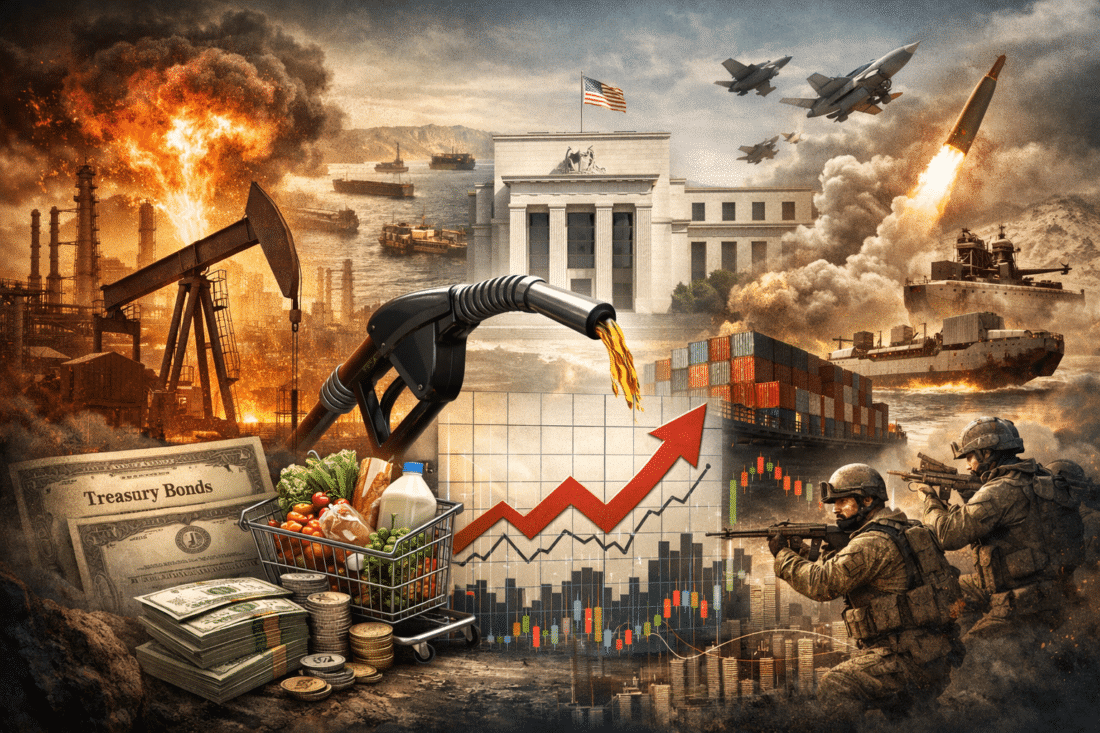
Every artillery shell and Javelin missile comes with a price tag. From an Austrian perspective, this isn’t “free aid” to Ukraine—it’s a misallocation of scarce capital, siphoned from productive uses here at home. Inflationary pressures, budget deficits, and a hollowed-out dollar aren’t just abstract charts. They’re the gas price at the pump, the grocery bill that keeps climbing, the mortgage rate that buries families.
Question: If America is $35+ trillion in debt, how does pouring billions into another foreign war serve our own long-term economic health?

- The Moral Hazard of War Funding
When Trump says, “We’ll keep supplying weapons to NATO for NATO to do what they want with them,” he’s essentially outsourcing accountability. Austrian thinkers like Mises warned against this kind of detached interventionism—it creates a situation where costs are socialized, but benefits (military contracts, political clout) are privatized.
Question: If Washington keeps writing blank checks, who’s actually incentivized to seek peace? Certainly not the arms manufacturers.
- The Risk of Escalation
Encouraging Ukraine not just to reclaim territory, but possibly “go further,” is a dangerous escalation. From a libertarian perspective, this crosses the line from self-defense into imperial adventurism. Austrians understand incentives—push a cornered Russia too far, and the incentive may shift from negotiation to total war.
Question: Does America want to risk nuclear brinkmanship over borders thousands of miles away, while our own southern border remains a sieve?
- The Flip-Flop Factor
Trump’s shift also raises questions of credibility. Was the “peace candidate” posture just rhetoric to gain leverage early on? Or is he being swayed by military advisors, NATO elites, or domestic political calculations?
Question: If a leader who once vowed diplomacy now cheers escalation, what does that say about the broader machinery of U.S. foreign policy? Is anyone truly steering the ship, or are we all just passengers on autopilot toward more conflict?
Pros & Cons of Trump’s Pivot
Pros (if you buy the argument):
- Might weaken Russia’s global position and embolden NATO unity.
- Could restore Ukraine’s territorial integrity.
- Trump looks “tough” on foreign policy, possibly shoring up domestic political capital.
Cons (from a libertarian/Austrian view):
- More taxpayer money funneled into a forever-war economy.
- Greater risk of escalation into direct U.S.-Russia confrontation.
- Erosion of credibility after years of peace-first rhetoric.
- Distraction from domestic crises—economic, social, and infrastructural.
Final Thoughts
At the end of the day, wars aren’t won with speeches. They’re won with blood and treasure. And in this case, the blood is Ukrainian and Russian, while the treasure is increasingly American.
Trump’s pivot might be politically expedient, but from the perspective of liberty and sound economics, it raises red flags. If the American people are footing the bill while their freedoms and prosperity erode, can we really afford to be the arsenal of endless proxy wars?
👉 Call to Action: Don’t just take the headlines at face value. Study the incentives, follow the money, and ask the uncomfortable questions. And if you’re serious about protecting yourself from the fallout of failing banks and mounting debt, download Seven Steps to Protect Yourself from Bank Failure by Bill Brocius today.