U.S. Takeover of Venezuela’s Oil Reserves: Bold Energy Move or Dangerous Overreach?

The Big Picture: U.S. Control Over the Largest Oil Reserves on Earth
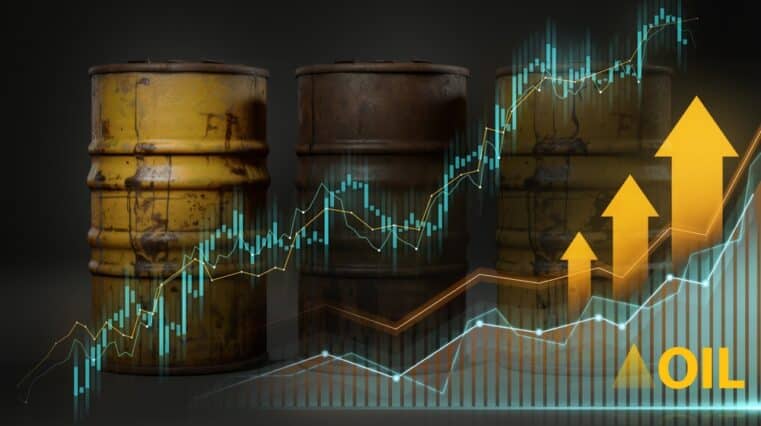
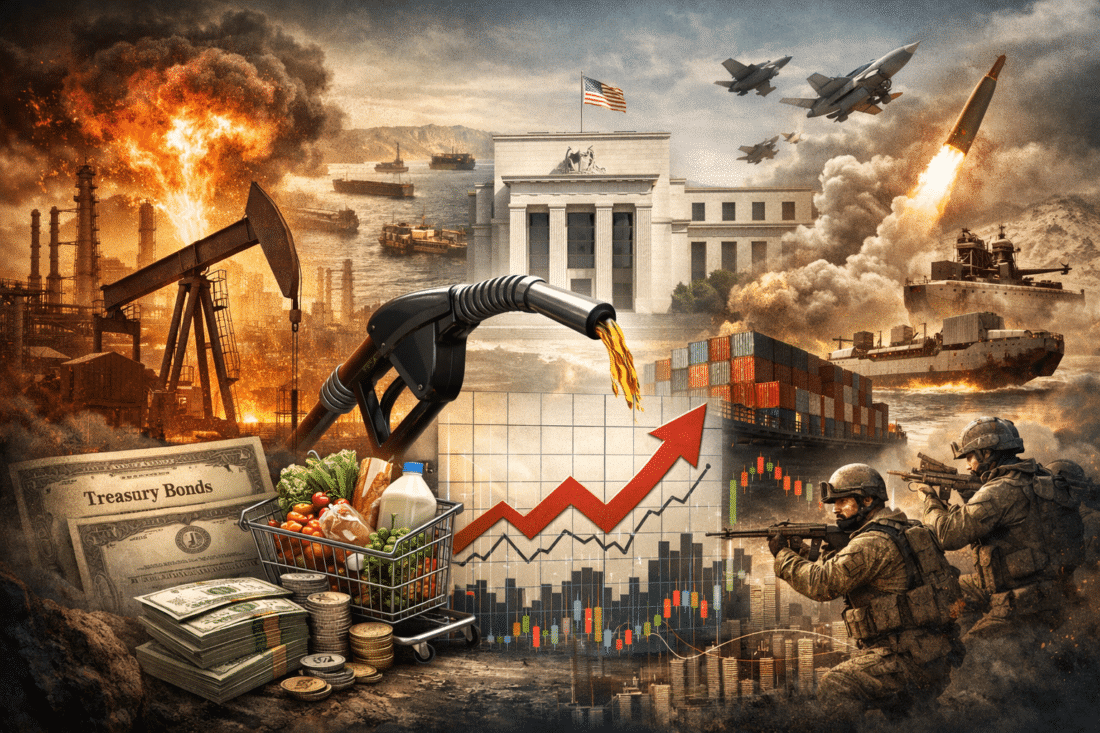
In the aftermath of the U.S.-led capture of Venezuelan President Nicolás Maduro, Washington now finds itself holding the keys to a staggering 300 billion barrels of crude—more than Saudi Arabia, Iran, and Kuwait.
Venezuela’s reserves account for roughly 20% of global oil, but the oil is heavy, difficult to extract, and buried under years of decay, sanctions, and socialist mismanagement. President Trump has vowed to send in American energy giants to "fix" the infrastructure and make it profitable again.
🔥 The MAGA Republican Take: Power, Profit, and Energy Dominance
Many America First Republicans are hailing this development as:

✅ A Strategic Energy Win
- Control over Venezuelan oil reduces reliance on Middle Eastern or Russian energy.
- It boosts U.S. leverage in global oil pricing and energy diplomacy.
✅ Jobs and Profit for American Firms
- Billions in investment from U.S. companies like Chevron and ConocoPhillips could translate to thousands of jobs and massive revenues.
- “Why should China or Russia control that oil when we can?” some argue.
✅ A Blow to Socialism
- Maduro’s regime is viewed as a failed socialist experiment. Replacing it with U.S.-backed oil enterprise is seen as a win for capitalism and stability.
Bottom Line: For this camp, this is a bold play. America seizes a failing socialist oil state and brings it under the guidance of free enterprise—red hat capitalism at its finest.
🧠 The Libertarian Republican Take: Corporatism, Entanglement, and Mission Creep
On the other side, liberty-minded conservatives are raising red flags.
⚠️ Imperialism in Disguise
- Deploying American influence—military or economic—to seize foreign resources smacks of the same nation-building and interventionism they fought against in Iraq and Afghanistan.
- “We don’t need to ‘own’ another country’s oil to achieve energy independence,” says the libertarian crowd.
⚠️ Government-Backed Crony Capitalism
- When the government clears the path for specific corporations to profit off foreign assets, that’s not capitalism—it’s corporatism.
- The use of U.S. power to help Chevron and friends “make money for the country” reeks of central planning, not free markets.
⚠️ Long-Term Blowback
- Occupying or economically dominating another nation rarely ends cleanly. Resistance movements, political backlash, or even international condemnation are likely.
- More military entanglements could follow, justified in the name of “protecting our investments.”
Bottom Line: Libertarians see a dangerous precedent being set: Washington meddling abroad to benefit connected companies at home—while American taxpayers and troops bear the cost.
🛢️ The Oil Reality: Not All That Glitters Is Black Gold
While the size of Venezuela’s reserves is undeniable, the oil isn’t easy to get. It’s heavy, expensive to process, and the country’s infrastructure is crumbling after years of neglect.
That means:
- Massive upfront costs to make extraction viable
- Unstable political environment with no guarantee of long-term peace
- High risk for American energy firms investing billions
Even Chevron—the only U.S. company currently operating in Venezuela—has been tight-lipped, saying only that it’s “monitoring the situation” and complying with laws.
⚖️ Pros and Cons: A Balanced Breakdown
|
Pros |
Cons |
|
Secures U.S. access to global energy powerhouse |
Risk of foreign entanglement and military presence |
|
Potential economic boom for American oil sector |
Encourages cronyism over true free-market competition |
|
Weakens anti-U.S. regimes like Maduro’s |
Could spark anti-American backlash and resistance |
|
Energy leverage over rivals like China and Iran |
Sets precedent for state-sanctioned resource seizures |
🧭 What Comes Next?
The U.S. now holds enormous influence in Venezuela—but at what cost? If handled wisely, it could lead to energy stability and economic growth. If not, it could devolve into another foreign quagmire, fueled by oil and arrogance.
Will MAGA Republicans and libertarian conservatives be able to reconcile their visions for America's role in the world? Time will tell.
⚠️ Final Warning: The Digital Dollar Is Still Coming
While the media distracts you with foreign oil wins, the real threat to your financial freedom is domestic: FedNow, CBDCs, and the coming collapse of cash. The dollar reset isn’t coming—it’s already begun.
Don’t get blindsided. Download the Digital Dollar Reset Guide right now and learn how to shield your savings before it's too late.