US Dollar's Global Reserve Share Plunges Below 58%: What BRICS' Gold Surge Means for Your Wealth

The Data Doesn’t Lie: Dollar’s Global Reserve Share Continues Its Slide
According to newly released data from the International Monetary Fund (IMF), the U.S. dollar’s share of global central bank reserves has dropped to 56.92%, down from 58.2% just two years ago and nearly 70% at the turn of the millennium.
This is no isolated blip. It's the continuation of a 20-year erosion in dollar dominance, driven by inflationary U.S. policy, excessive debt issuance, and geopolitical backlash. The trend is now being weaponized by BRICS nations—Brazil, Russia, India, China, South Africa, and their growing list of allies.
What used to be unthinkable—central banks shedding dollar exposure—is now playing out in real-time, led by aggressive accumulation of gold and growing use of non-dollar currencies in trade.

BRICS Accelerates Gold Purchases: A Vote of No Confidence in the Dollar
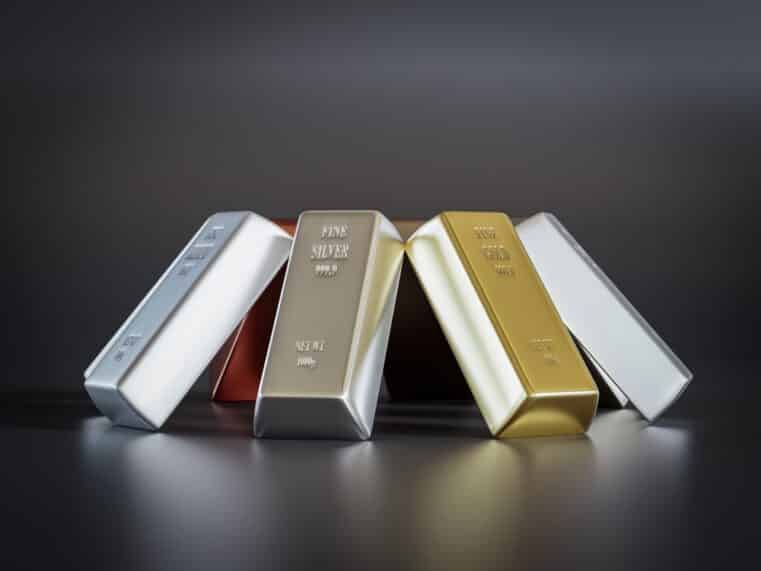
In 2025 alone, global central banks—heavily influenced by BRICS—purchased over 1,100 tons of gold, marking the largest increase in 70 years. Russia, China, and India are rapidly increasing their gold exposure, with Russia’s holdings alone doubling in value over the past three years.
This isn’t diversification—it’s an exit strategy.
Gold, unlike fiat currencies, offers zero counterparty risk, no surveillance mechanisms, and no exposure to U.S. sanctions. In a world where programmable CBDCs and financial surveillance loom, physical assets like gold represent the last bastion of monetary sovereignty.
Local Currency Trade Deals: The BRICS Bypass is Underway
On top of gold purchases, BRICS nations are increasingly conducting trade in local currencies, bypassing the dollar altogether.
- China and Russia are settling energy deals in yuan and rubles.
- India is experimenting with rupee-based trade frameworks with Gulf states.
- Brazil and Argentina have openly discussed abandoning the dollar in bilateral commerce.
This movement undermines the dollar’s “network effect”—where everyone uses the dollar because everyone else does. Once confidence breaks, the unraveling is not linear—it accelerates.
Why This Matters to You: The Risks Behind the Numbers
While Wall Street analysts continue to wave away de-dollarization as symbolic, this trend has very real consequences:
- Decreased global demand for U.S. Treasuries could push interest rates higher.
- A weaker dollar erodes purchasing power and intensifies import-driven inflation.
- Reduced international demand makes it harder for Washington to fund its ballooning deficits.
- As the dollar's status erodes, so does America’s ability to impose sanctions and control global finance.
This is not just about geopolitics—it’s about your future buying power, your savings, and your financial freedom.
From Reserve Currency to Programmable Control Grid?
The fall in dollar reserves comes at a time when U.S. officials are openly preparing the groundwork for a central bank digital currency (CBDC).
Through FedNow, a 24/7 real-time payment infrastructure, the architecture is already in place for programmable money that can be monitored, limited, or frozen at will. In the name of efficiency and security, CBDCs represent the ultimate tool of financial surveillance.
Ask yourself: Why are central banks buying physical gold while building a digital cage for everyone else?
The Historical Echo: How Empires Lose Their Currency Privilege
Every dominant currency in history—from the Roman denarius to the British pound—has lost its supremacy through a combination of:
- Excessive debt issuance
- Currency debasement (aka inflation)
- Loss of trust and global alternatives
The U.S. is now hitting all three. And just like those fallen empires, the transition feels slow—until it’s suddenly not.
How You Can Protect Yourself Now
The writing is on the wall. Trust in fiat money is fading, and foreign central banks are responding. The only question is: Will you?
Here’s what you can do today:
- Move out of the banking system where feasible—reduce exposure to dollar-denominated savings.
- Diversify into tangible assets: physical gold, silver, and vetted cryptocurrencies offer hedges against inflation, currency control, and surveillance.
- Stay informed—not from the mainstream mouthpieces, but from voices who’ve called this early.
My mentor, Bill Brocius, has laid out the playbook in “Digital Dollar Reset Guide”—a must-read for anyone serious about protecting their wealth in a post-dollar world.
Final Warning: The Exit Is Quiet—Until It’s Not
This shift away from the dollar is measured now, but irreversible. When confidence in a reserve currency breaks, the collapse is swift. What central banks and BRICS nations are doing today behind closed doors, you must begin to mirror openly—with urgency.
Download Bill Brocius’ essential financial survival guide now
Your financial sovereignty depends on what you do next.