Silver’s Quiet Squeeze Setup Is Back: Why Smart Money Is Escaping the FedNow Surveillance Grid Before the Next Explosive Move

The Silver Market Is Resetting for Another Squeeze
For months, silver looked exhausted.
The momentum crowd moved on. Retail speculators got shaken out. Volatility cooled off. Financial media attention evaporated. On the surface, it looked like the silver trade was dead.
That’s exactly what makes the current setup so dangerous.

Historically, major silver breakouts don’t happen when everyone is euphoric. They happen when the market becomes compressed, ignored, under-owned, and structurally tight beneath the surface.
That’s where we are now.
The paper silver market appears calm, but underneath that calm is a growing pressure imbalance between physical demand, declining confidence in fiat systems, and increasingly unstable monetary policy across the globe.
And unlike previous silver rallies, this one is colliding directly with a rapidly emerging system of digital financial control.
FedNow, CBDCs, and the War on Financial Privacy
Most Americans still don’t understand what FedNow actually represents.
The Federal Reserve marketed FedNow as a harmless “instant payment” system designed for convenience. But the infrastructure itself lays the foundation for something far more dangerous: centralized, real-time financial surveillance.
FedNow is not technically a CBDC — yet.
But it creates the rails necessary for programmable digital money systems that can eventually:
- monitor every transaction in real time,
- impose spending restrictions,
- automate tax collection,
- freeze accounts instantly,
- and eliminate financial anonymity altogether.
That’s the direction global central banks are openly moving toward.
The European Central Bank, Bank of England, IMF, BIS, and dozens of governments worldwide are already testing or developing central bank digital currencies designed around transaction monitoring and behavioral control.
The sales pitch is always the same:
- “security,”
- “financial inclusion,”
- “fraud prevention,”
- “efficiency.”
The reality is centralized monetary surveillance.
And once cash disappears, your ability to operate outside the system disappears with it.
That’s why physical silver matters again.
Not because of nostalgia.
Because it exists outside the digital control grid.
Silver Is Quietly Reclaiming Its Monetary Role
For decades, financial institutions trained the public to think of silver as little more than an industrial commodity.
Solar panels.
Electronics.
Industrial applications.
Those uses are real. But they conveniently distract from silver’s historical role as decentralized money.
Gold and silver served as monetary anchors for thousands of years because they cannot be digitally created out of thin air by central banks drowning in debt.
Today, governments are trapped.
They cannot stop printing currency because the global debt structure collapses without endless liquidity injections.
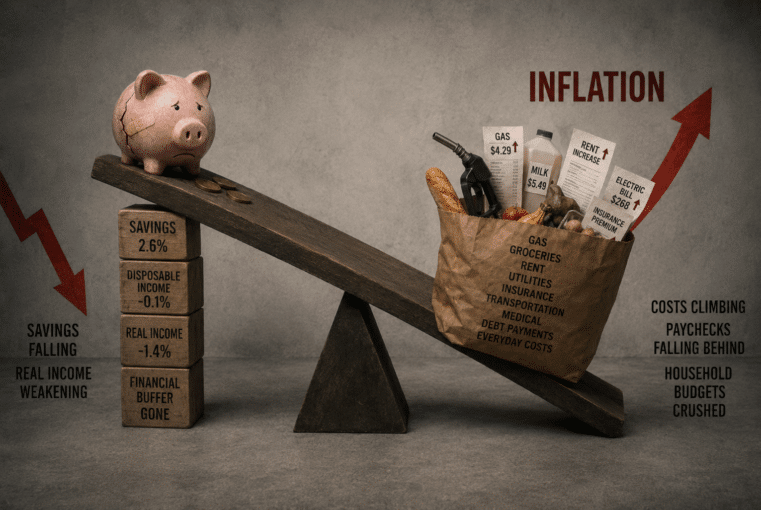
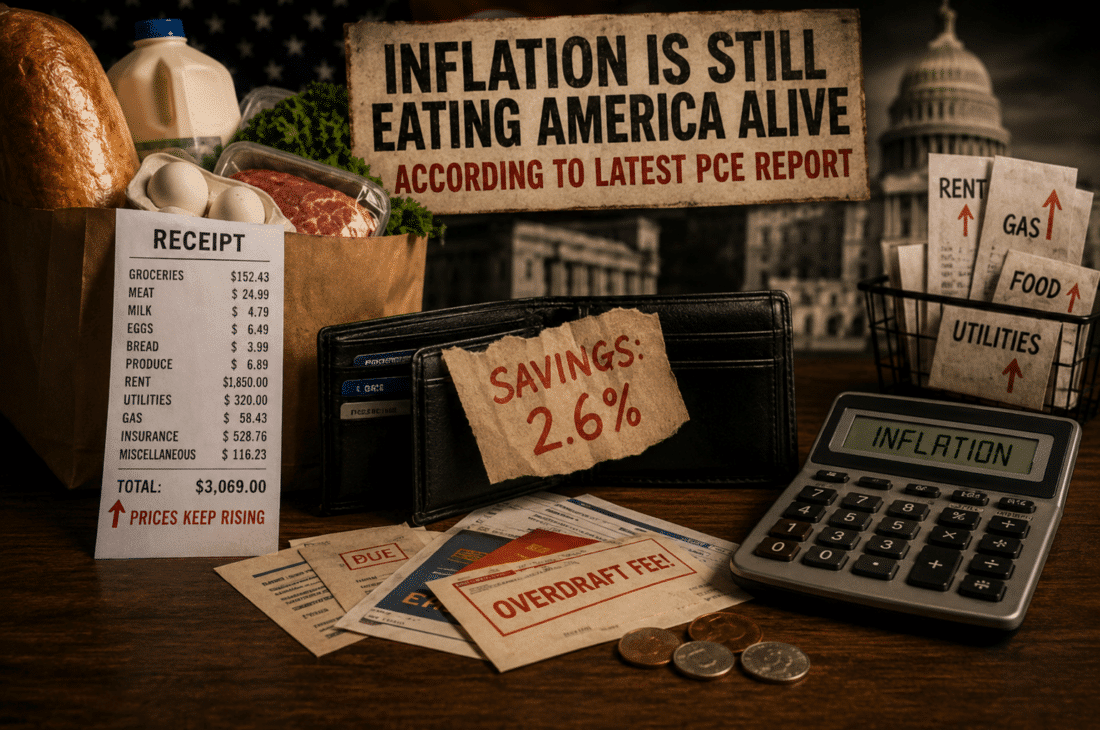
At the same time, inflation is destroying purchasing power while confidence in fiat currencies continues to erode worldwide.
That contradiction is becoming impossible to hide.
As trust in paper systems weakens, physical assets with no counterparty risk become increasingly attractive — especially assets that cannot be frozen, censored, programmed, or remotely controlled.
That is silver’s real threat to the system.
The Speculators Are Gone — And That’s Bullish
One of the most important parts of the current silver setup is what’s missing:
speculative excess.
The “easy money” crowd already left.
Leverage has cooled.
Momentum has faded.
Volatility compressed.
Sentiment weakened.
In manipulated paper markets, that’s often when the real move begins.
Silver has a long history of explosive repricing once physical demand collides with short-covering pressure and thin liquidity conditions.
When silver moves, it doesn’t drift higher politely.
It gaps violently.
That’s because the paper derivatives market is vastly larger than the available physical supply backing it.
As long as confidence remains intact, the illusion holds together.
But if enough investors simultaneously demand physical delivery instead of paper exposure, the entire pricing mechanism starts wobbling.
That’s the squeeze setup quietly rebuilding right now.
Why Physical Silver Terrifies Central Planners
Central banks don’t fear Bitcoin nearly as much as crypto enthusiasts think.
Why?
Because digital assets can still be tracked, regulated, taxed, surveilled, and eventually integrated into state-controlled financial architecture.
Physical precious metals are different.
A silver coin in your hand:
- cannot be hacked,
- cannot be frozen,
- cannot be deplatformed,
- cannot be digitally tracked in real time,
- and cannot be programmed with spending conditions.
That makes physical silver fundamentally incompatible with the long-term vision of programmable money systems.
In a fully digitized economy, governments and central banks gain unprecedented power over human behavior:
- where you spend,
- what you buy,
- how much you save,
- even whether your money expires.
This isn’t conspiracy theory anymore.
Central bankers openly discuss “programmability” as a feature of future CBDCs.
That should alarm every free person alive.
The Cashless Society Trap Is Accelerating
The transition toward a cashless society is happening incrementally because gradual change avoids public resistance.
First came:
- mobile payments,
- digital wallets,
- instant transfers,
- biometric verification,
- algorithmic fraud scoring.
Now FedNow normalizes real-time centralized settlement infrastructure.
Next comes the argument that physical cash is “inefficient,” “unsafe,” or “outdated.”
Then eventually:
- digital ID integration,
- transaction-based compliance systems,
- carbon tracking,
- programmable financial restrictions.
People assume these systems will only target criminals.
History says otherwise.
Every surveillance system eventually expands beyond its original justification.
Always.
That’s why more investors are shifting toward tangible stores of value outside centralized networks.
Not because they’re preparing for fantasy scenarios.
Because they see the direction the system is heading.
Silver Supply Problems Are Becoming Harder to Ignore
While mainstream headlines focus on AI stocks and Federal Reserve theater, the physical silver market continues tightening.
Industrial demand keeps growing through:
- solar manufacturing,
- military electronics,
- EV infrastructure,
- semiconductor production,
- and energy transition technologies.
At the same time, many major silver miners face:
- declining ore grades,
- rising extraction costs,
- geopolitical instability,
- and regulatory pressure.
That creates a dangerous imbalance between supply and future demand.
Meanwhile, retail investors increasingly want physical ownership instead of paper ETFs or derivative exposure.
That distinction matters.
Paper silver can be diluted infinitely.
Physical silver cannot.
Once confidence breaks in synthetic pricing mechanisms, repricing can become disorderly very quickly.
Why the Financial Media Keeps Ignoring Silver
Wall Street media thrives on narratives that preserve confidence in centralized financial systems.
Silver creates problems for those narratives.
A rapidly rising silver price sends dangerous signals:
- declining confidence in fiat currencies,
- inflation concerns,
- systemic stress,
- and distrust in central banking policy.
That’s why silver coverage often disappears during accumulation phases and suddenly reappears only after massive price moves already occur.
By then, insiders are usually positioned.
Retail investors are conditioned to chase momentum late while institutions accumulate quietly during periods of boredom and pessimism.
The current environment resembles exactly that kind of accumulation phase.
The Bigger Picture: Silver Is Becoming a Sovereignty Asset
This is the part most analysts still miss.
Silver is no longer just an inflation hedge.
It is becoming a sovereignty asset.
In a world moving toward:
- CBDCs,
- FedNow integration,
- programmable currency,
- digital identity systems,
- and expanding financial surveillance,
physical gold and silver represent something governments cannot fully control:
private ownership outside the network.
That alone gives them strategic importance.
The more centralized the monetary system becomes, the more valuable decentralized tangible assets become.
And the public is slowly waking up to that reality.
Final Warning: The Window to Prepare Is Closing
Most people will wait until the system becomes openly coercive before reacting.
By then it may already be too late.
History shows that governments never announce financial control systems honestly at the beginning. They introduce them gradually through convenience, crisis management, and “temporary” emergency measures.
That’s exactly how the digital monetary transition is unfolding now.
FedNow is here.
CBDC infrastructure is advancing globally.
Financial surveillance is expanding.
Cash usage is declining.
And physical precious metals are quietly regaining relevance as parallel stores of value outside centralized control systems.
Silver’s squeeze setup isn’t just about price anymore.
It’s about monetary freedom itself.
The people paying attention now may have a narrow opportunity to position themselves before the next phase begins.
Download the Digital Dollar Reset Guide Before the System Changes for Good
If you recognize the warning signs behind FedNow, CBDCs, programmable money, and the accelerating push toward financial surveillance, then you need to understand what comes next.
The Digital Dollar Reset Guide by Bill Brocius breaks down:
- how the monetary system is changing,
- why central banks are racing toward digital currency control,
- how programmable money could reshape everyday life,
- and why physical gold and silver may become critical tools for preserving financial autonomy.
This is not optional reading for people who value independence.
It is preparedness intelligence.