UBS JUST SLASHED ITS GOLD FORECAST — BUT THEIR REAL WARNING SHOULD SCARE EVERY INVESTOR

UBS Lowers Gold Price Forecast — But The Bigger Financial Warning Is Being Ignored
When major banks start lowering gold forecasts, most investors assume the bull market is over.
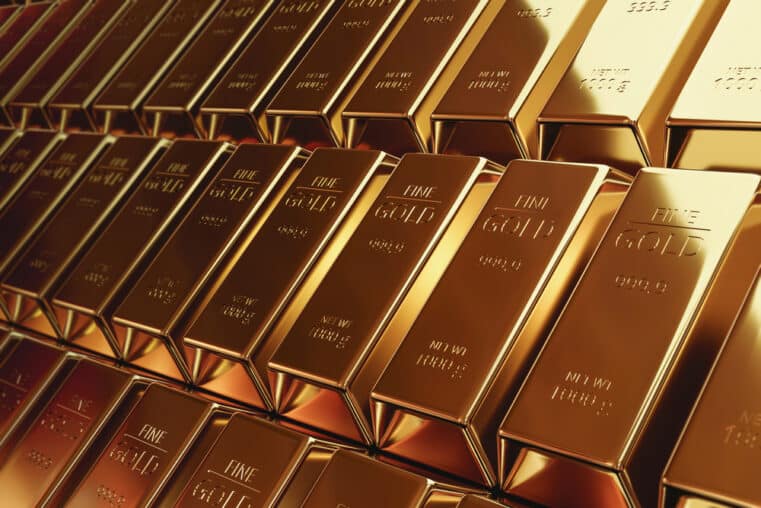
That’s exactly what UBS wants cautious investors to think after trimming its 2026 gold target from $5,900 to $5,500 per ounce.
The bank says higher Treasury yields and a stronger dollar are making gold less attractive because gold doesn’t pay interest.

In Wall Street language, they call this “opportunity cost.”
But here’s the problem with that argument:
People don’t buy gold because it pays yield.
They buy gold because paper systems eventually fail.
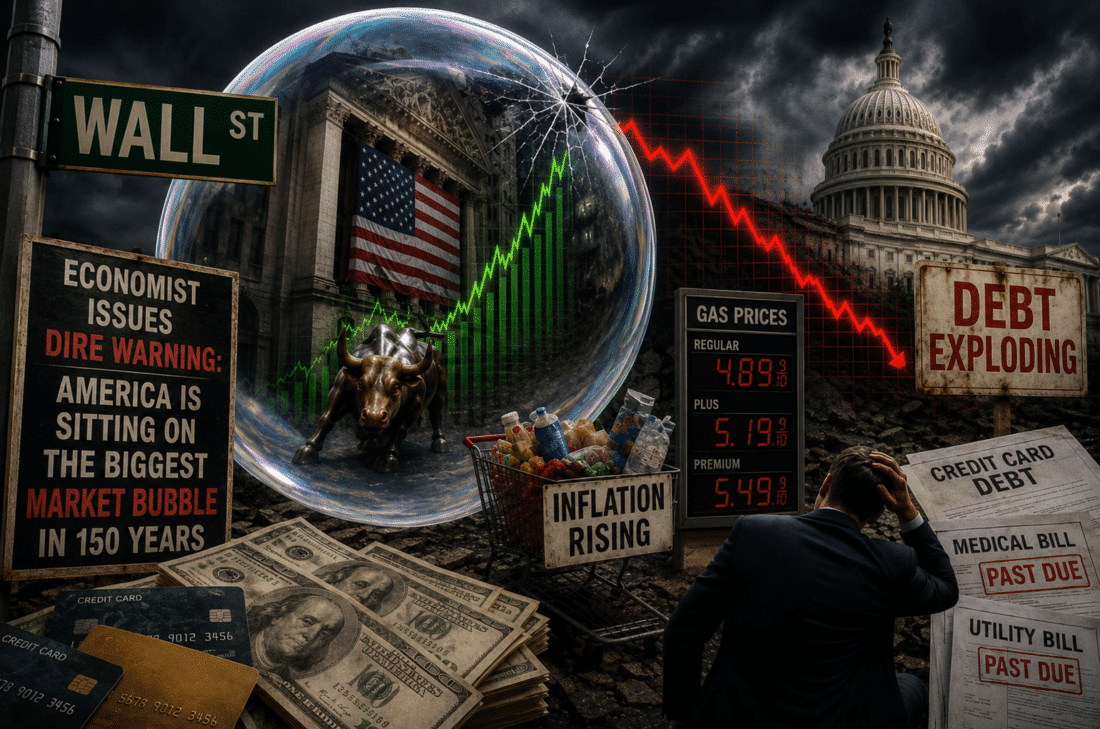
And right now, the warning signs inside the global economy are flashing brighter than they have in years.
UBS Still Expects Gold To Rise Another $1,000
Let’s stop for a moment and appreciate how absurd this headline really is.
UBS “cut” its gold forecast…
…and still expects gold to rise another $1,000 from current levels.
Think about that.
In normal markets, a projected $1,000 move would be considered explosive.
But in today’s upside-down financial world, Wall Street treats it like disappointing news.
That tells you everything you need to know about how powerful the long-term gold trend has become.
Even the banks pulling back remain overwhelmingly bullish compared to historical gold prices.
Why?
Because the underlying problems driving gold higher haven’t gone away.
In fact, many are getting worse.
The Federal Reserve Is Trapped
UBS says higher interest rates are weighing on gold prices.
That part is true — temporarily.
Historically, when rates rise, investors can earn better returns holding bonds or cash instead of non-yielding gold.
But here’s the problem nobody on financial television wants to discuss:
The Federal Reserve cannot keep rates elevated forever.
Why?
Because the entire system is drowning in debt.
- The U.S. government is buried under trillions in obligations
- Consumers are maxed out
- Corporate debt remains enormous
- Regional banks are still fragile
- Interest payments alone are becoming unsustainable
At some point, something breaks.
And when central banks eventually pivot back toward easier money, lower rates, or currency creation, gold historically responds very aggressively.
That’s why smart money looks beyond temporary pullbacks.
They focus on the larger monetary cycle.
Gold Is Not Just A Trade — It’s Financial Insurance
One thing I’ve learned after decades in finance is this:
Most people misunderstand gold completely.
They treat it like a stock ticker.
That’s a mistake.
Gold is insurance against monetary instability.
You don’t buy homeowner’s insurance hoping your house catches fire tomorrow.
You buy it because disasters happen unexpectedly.
Gold serves the same purpose.
And right now, there are multiple fires already spreading through the global economy:
- Persistent inflation
- Geopolitical wars
- Currency debasement
- Banking instability
- Rising government debt
- Trade disruptions
- Energy shocks
- Central bank uncertainty
That’s why central banks themselves continue buying gold aggressively despite all the mainstream criticism.
They understand the risks inside the system.
UBS Accidentally Made The Bullish Case For Gold
Here’s what’s fascinating about the UBS report.
Even while lowering its forecast, the bank repeatedly outlined reasons gold could surge much higher over time.
They specifically mentioned:
- Inflation risks
- Energy supply shocks
- Geopolitical instability
- Growing government debt
- Structural weakness in fiat currencies
- Central bank diversification away from the U.S. dollar
In other words…
The very conditions that historically fuel gold bull markets are all still present.
That’s why this “bearish” report actually reads more like a long-term bullish roadmap.
Wall Street is acknowledging the danger while trying not to sound alarmist.
But ordinary investors should pay attention.
Why The Iran Conflict Matters More Than Most People Realize
UBS also highlighted the growing impact of Middle East tensions on commodity prices.
This is critical.
The Strait of Hormuz remains one of the most important energy chokepoints in the world. If instability escalates further, energy prices could spike rapidly.
And when oil prices surge:
- Inflation rises
- Supply chains suffer
- Transportation costs increase
- Consumer purchasing power weakens
- Central banks face impossible decisions
That environment historically becomes very favorable for hard assets.
The bank even admitted commodities have already posted massive gains this year because of these pressures.
That’s not random volatility.
That’s stress building inside the global system.
Gold Has Always Thrived During Monetary Uncertainty
UBS pointed out something most younger investors have never experienced firsthand:
Gold performs best when people begin losing confidence in monetary stability.
Not just during wars.
Not just during recessions.
But during periods when:
- Debt spirals out of control
- Inflation destroys savings
- Governments overspend
- Currency purchasing power erodes
- Financial trust deteriorates
We’ve seen this pattern throughout modern history.
And frankly, many of today’s economic conditions resemble the early stages of previous monetary crises.
The average American feels it already.
Insurance costs more.
Housing costs more.
Energy costs more.
Meanwhile, the value of the dollar quietly buys less every year.
That’s why gold ownership is spreading far beyond traditional investors.
People are searching for stability.
Why Central Banks Continue Buying Gold Despite Dollar Risks
One of the most overlooked points in the UBS analysis is ongoing central bank demand.
This matters enormously.
Governments around the world are actively increasing gold reserves while simultaneously reducing dependence on the U.S. dollar.
Ask yourself:
Why would central banks continue accumulating gold if the long-term outlook were weak?
Because they understand something many retail investors still don’t:
The global monetary order is changing.
Countries are increasingly nervous about:
- Currency weaponization
- Sovereign debt risks
- Dollar dependency
- Financial sanctions
- Fragile banking systems
Gold becomes attractive in uncertain times because it carries no counterparty risk.
No government can print it.
No central bank can create it digitally.
No politician can vote more of it into existence.
That’s powerful.
The “Opportunity Cost” Argument Is Missing The Bigger Danger
UBS says markets are rediscovering the “opportunity cost” of holding gold.
Fair enough.
But let me ask a simple question:
What’s the opportunity cost of losing purchasing power every year inside a weakening fiat system?
That’s the part mainstream economists rarely discuss honestly.
A savings account yielding 5% sounds attractive…
…until inflation, taxes, and currency debasement quietly eat away at your real wealth.
Gold doesn’t need to outperform every investment every month.
Its purpose is preserving long-term purchasing power during periods of systemic instability.
And judging by current global conditions, instability isn’t disappearing anytime soon.
Why Smart Investors Are Looking Beyond Short-Term Noise
Short-term pullbacks happen in every major bull market.
Gold has experienced them for decades.
But long-term trends matter more than emotional headlines.
And the long-term trends today remain deeply supportive for precious metals:
- Massive government debt
- Persistent inflation pressures
- Global de-dollarization
- Geopolitical fragmentation
- Central bank accumulation
- Currency uncertainty
- Weakening consumer purchasing power
That’s why many investors continue using gold and silver as financial anchors inside increasingly unstable markets.
Not because they expect perfection.
But because they recognize risk.
Final Thoughts: Wall Street Is Quietly Admitting The System Is Under Pressure
The biggest takeaway from the UBS report isn’t the reduced gold target.
It’s the growing list of reasons major financial institutions still believe gold belongs inside investor portfolios despite all the headwinds.
That tells you something important.
Even Wall Street knows the global economy remains fragile.
Even Wall Street sees inflation risks rising.
Even Wall Street understands debt levels are becoming dangerous.
And even Wall Street continues acknowledging gold as protection against systemic uncertainty.
That’s not bearish.
That’s a warning.
Join The Inner Circle Before The Next Financial Shock Arrives
The financial world is changing faster than most Americans realize.
The people who prepare early tend to survive crises far better than those who wait for mainstream media confirmation.
That’s why thousands of readers are joining the Dedollarize Inner Circle for real-world analysis on:
- Gold and silver trends
- Inflation threats
- Banking instability
- Central bank actions
- Wealth protection strategies
- Global de-dollarization
- Financial survival insights
Join the Inner Circle today and stay ahead of the next major economic shift before the crowd catches on.