At the Edge of the Abyss: Ed Dowd Warns the Credit Collapse Is Just Beginning

The Beginning of the Credit Destruction Cycle
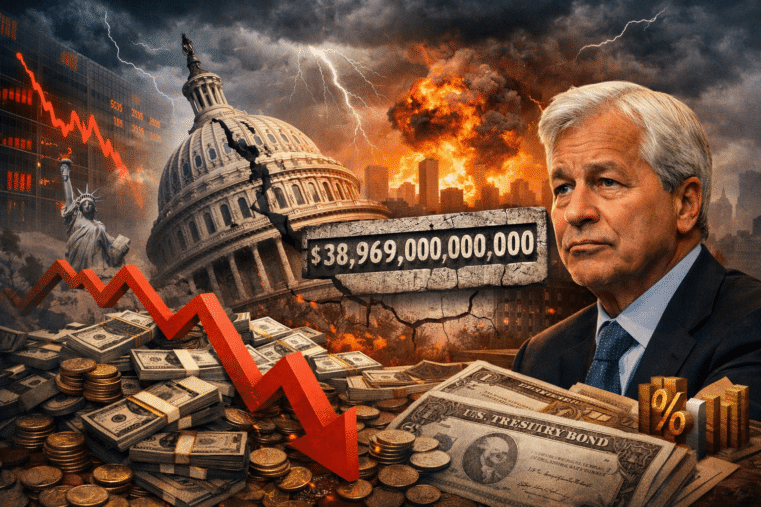
Ed Dowd, a former Wall Street analyst now aligned with independent finance outlet PhinanceTechnologies, believes we’re at the very beginning of a systemic credit failure. According to him, the Fed’s recent three consecutive rate cuts in 2025 are an early sign of panic—not a controlled pivot. Dowd sees these as reactionary, not strategic. He warns that “private credit” is showing early cracks and will likely drag broader systems down with it.
Private Credit Is Crumbling First
Dowd points to several bankruptcies in the private lending sector—Tricolor Holdings, First Brands, and PrimaLend—as canaries in the coal mine. These aren't just isolated events, he says. They're the first dominoes. Private credit, like the subprime mortgages of 2007, may be smaller in scope but carry the same contagion risk when defaults ripple across leveraged financial systems.
✅ My Take: This One’s On Point
He’s right that private credit is under serious pressure. Subprime auto lending and unsecured consumer credit are already showing high default rates, and many of these companies are poorly capitalized. While it’s not yet a replay of 2008, these signals are legitimate and demand attention.

Consumer Defaults Are Climbing—And Layoffs Are Fueling It
Dowd lays out the familiar progression: credit card defaults rise first, then auto loans, and mortgages last. The cause? Mounting job losses. He cites layoffs at Amazon, UPS, and others as proof the labor market isn’t as solid as Washington claims.
✅ My Take: Dead-On—and Underreported
Delinquencies are rising, and recent data backs this up. Americans are more indebted now than pre-COVID, and interest rates are far higher. As for layoffs, they’re stacking up—especially in tech, logistics, and even parts of finance. The narrative that the economy is “strong” is a façade held together by flawed unemployment figures and manipulated CPI data.
Housing Market: Inventory Up, Demand Down
Dowd notes a growing chasm between homes listed and homes sold, especially in multi-family construction. He blames speculative overbuilding driven by lax policy, some of it tied to immigration-fueled demand. He claims home prices are going lower—and fast.
✅ My Take: Mostly Agree, With Caveats
He’s not wrong that housing supply is rising and prices are cooling. Demand is being choked by high mortgage rates and unaffordable prices. But blaming this primarily on immigration feels like a misfire. There are deeper structural issues—zoning, investor hoarding, and broken city planning. Immigration may play a part, but it’s not the main engine.
Precious Metals: Gold as the Last Safe Haven
Dowd maintains that gold is money again—now a Tier 1 asset under Basel III—and is heading for $10,000 per ounce by 2030. While he admits gold might sell off temporarily during liquidity crunches, he believes it will outperform in the long run.
✅ My Take: Gold’s Not Dead—But $10K?
Gold has retained purchasing power across centuries and absolutely remains a hedge against systemic failure. It’s also increasingly attractive as central banks debase fiat and erode public trust. But projecting $10,000 by 2030? That’s more speculative than analytical. If we see major currency failures, sure—it’s plausible. But that's not a forecast, it’s a bet on collapse.
The Fed: Panic or Plan?
Dowd calls the Fed’s recent rate cuts part of a “panic rate cut cycle.” He sees them responding to credit stress and failing demand, not proactively guiding policy.
✅ My Take: This Is Credible
The Fed is flying blind. They’re caught between trying to fight inflation and preventing economic collapse. Rate cuts now mean they're losing the battle on both fronts. And given the opaque nature of the Fed’s internal discussions, Dowd’s characterization isn’t far off.
The Biden Economy and Unemployment “Fraud”
Dowd reiterates past claims that Biden-era economic data, especially unemployment numbers, are fraudulent. He argues the real economy is far weaker than government figures show—and Trump inherited a ticking time bomb.
🤨 My Take: Skeptical but Not Dismissive
This one’s tricky. While manipulation of statistics isn’t new, calling it outright fraud implies intentional deception at scale, which requires hard proof. That said, the U-3 unemployment rate doesn’t capture part-time workers or discouraged job seekers. The system does present a distorted picture of economic health—but whether that’s fraud or bureaucracy is up for debate.
China’s Silent Meltdown
Dowd also warns about China’s real estate and structural crisis, suggesting the country is “much weaker than people imagine” and could face an economic implosion that spreads globally.
🤔 My Take: Needs Watching
China’s property sector is in trouble, and the ripple effects are real. But China is not as transparent, making predictions murky. There’s merit in being cautious here—but also in not overestimating Western resilience in the face of Chinese weakness. Globalization cuts both ways.
Final Thoughts: A System Under Stress
Dowd’s core message is clear: the U.S. (and global) financial system is more fragile than people think, and the early warning signs are already flashing red. From private credit and consumer delinquencies to gold markets and geopolitics, the pieces are shifting—fast.
Some of Dowd’s claims may veer into speculation, but his larger thesis deserves attention: we are heading into a period of heightened instability, and the narratives coming out of Washington and Wall Street are, at best, incomplete.
🔥 CALL TO ACTION:
Want to protect yourself before the dominoes fall? Download Seven Steps to Protect Yourself from Bank Failure by Bill Brocius. This free guide outlines practical ways to safeguard your money, reduce exposure, and insulate yourself from the Fed’s next move.
👉 Download here
Stay awake. Stay armed—with knowledge.