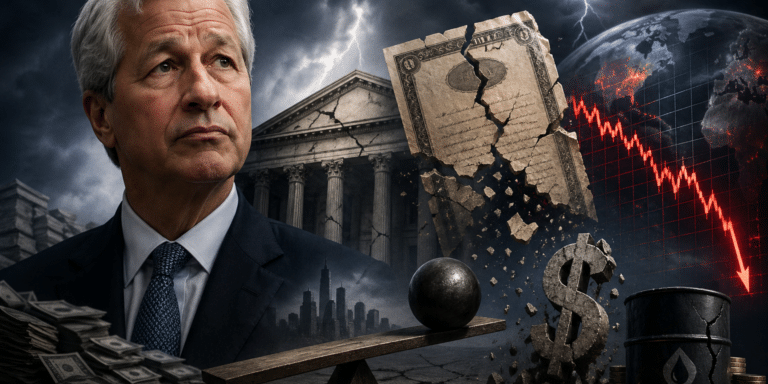
“Bond Market Crisis Incoming: Jamie Dimon Warns Global Debt Explosion Could Trigger Financial System Shock”

Jamie Dimon Sounds the Alarm on a Bond Market Crisis
Jamie Dimon isn’t known for dramatic forecasts—but his latest warning should stop you cold.
At a recent global investment conference, the JPMorgan CEO made it clear: the trajectory of rising government debt is unsustainable, and if policymakers fail to act, “there will be some kind of bond crisis.”
That’s not speculation. That’s an insider acknowledging structural failure.

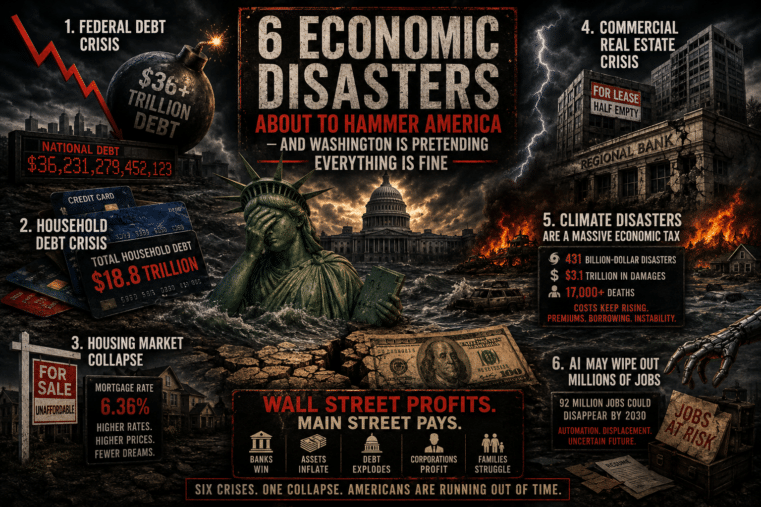
Global debt levels have surged to historic highs, with the United States leading the charge. Persistent deficits, aggressive fiscal spending, and years of accommodative monetary policy have created a system dependent on low interest rates and constant liquidity.
Dimon’s message? That system is nearing its limits.
Why Rising Yields Could Break the System
A bond crisis isn’t just a technical event—it’s a chain reaction.
When investors lose confidence in government debt, they demand higher yields to compensate for risk. That drives borrowing costs higher across the board:
- Governments face skyrocketing interest payments
- Corporations struggle to refinance debt
- Consumers are squeezed by higher loan rates
Eventually, liquidity dries up. Sellers flood the market. Buyers disappear.
This is how stability turns into panic.
We’ve already seen a preview. In 2022, the U.K. bond market spiraled into chaos, forcing emergency intervention from the Bank of England. That situation was contained—but only just.
Now imagine that scenario on a global scale.
The Debt Spiral: A Problem With No Easy Exit
The core issue is simple: too much debt, not enough discipline.
The U.S. national debt continues to climb, while interest costs alone are becoming one of the largest government expenditures. At the same time, political appetite for spending cuts remains virtually nonexistent.
This creates a dangerous feedback loop:
- More debt issuance
- Higher yields required by investors
- Rising interest payments
- Even more borrowing to cover costs
At some point, the market pushes back.
Dimon’s warning reflects this reality—markets will eventually force adjustments that policymakers have avoided.
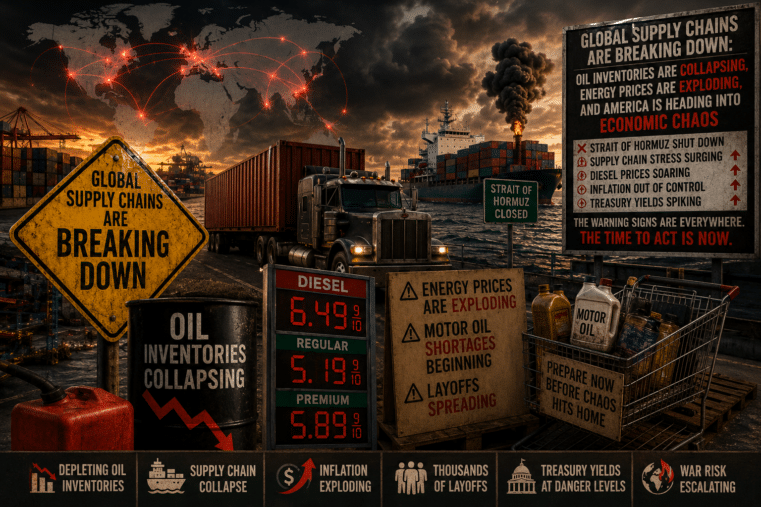
Geopolitics, Oil, and Market Fragility
Dimon also pointed to a broader “risk column” that is quietly expanding.
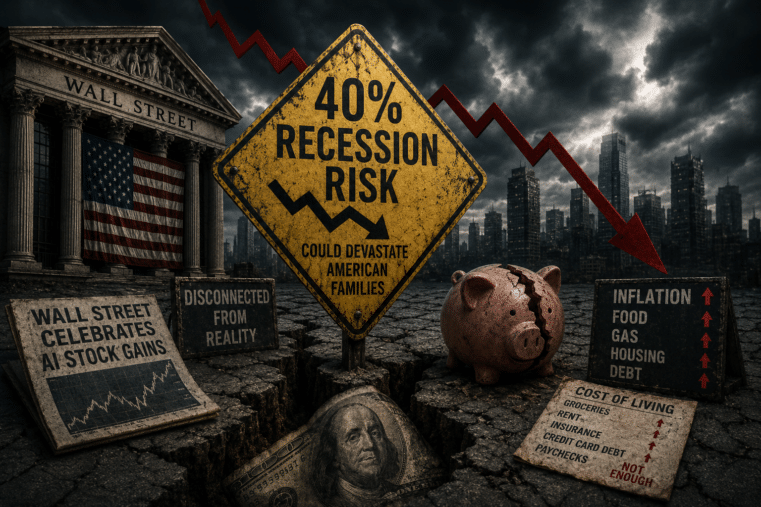
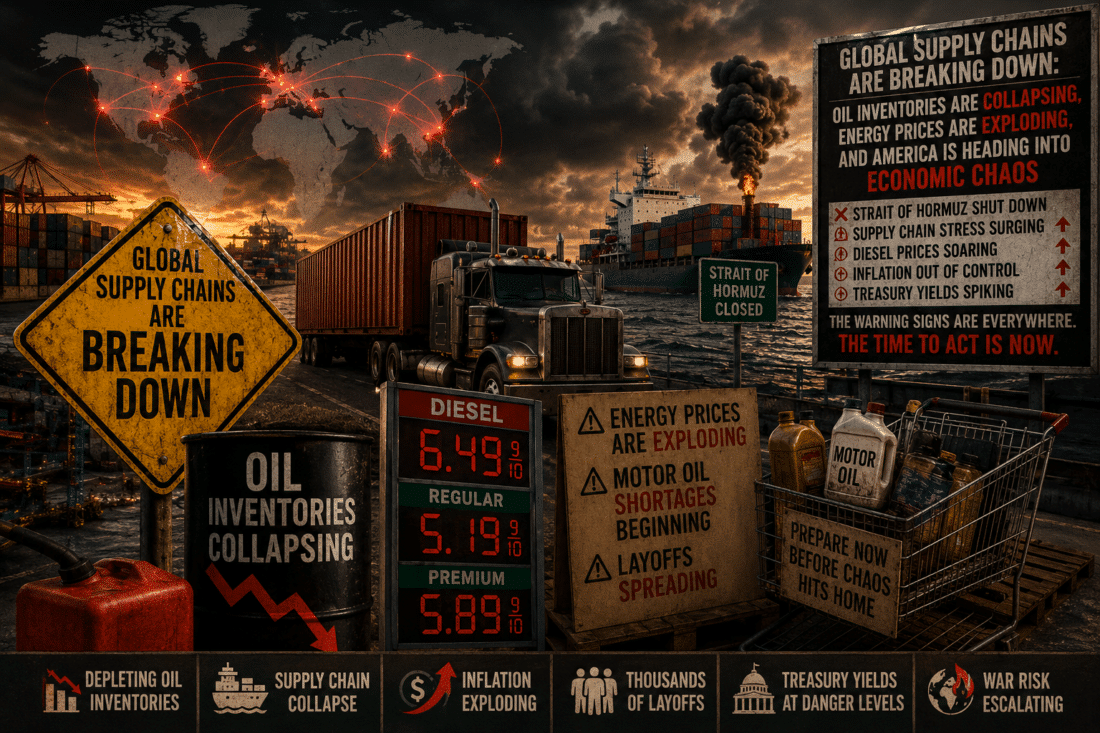
Geopolitical tensions, energy price volatility, and persistent inflation pressures are all feeding into market instability. These factors don’t operate in isolation—they compound each other.
For example:
- Rising oil prices fuel inflation
- Inflation pressures central banks to keep rates elevated
- Higher rates strain debt-heavy economies
It’s a fragile equilibrium, and it doesn’t take much to tip it over.
The danger lies in the confluence of events—multiple stress points hitting at once.
The Overlooked Threat: A Severe Credit Downturn
One of Dimon’s most underreported warnings may be the most important.
“We haven’t had a credit recession in so long,” he said. “When we have one, it could be worse than people think.”
He’s right.
For over a decade, cheap money has masked underlying risks. Businesses, consumers, and governments have all taken on more debt under the assumption that borrowing costs would remain manageable.
But if rates stay elevated—or rise further—that assumption collapses.
A credit downturn would ripple through:
- Corporate defaults
- Housing markets
- Consumer lending
And when credit contracts, economic activity follows.
This is how recessions deepen into crises.
My Take: The System Is More Fragile Than It Appears
Dimon is being cautious with his language—but the implications are far more severe.
What we’re looking at isn’t just a potential bond market disruption. It’s the unwinding of a decades-long experiment in debt-fueled growth.
Central banks and governments have relied on:
- Money creation
- Artificially low interest rates
- Continuous intervention
to sustain economic expansion.
But those tools come with consequences—chief among them, currency debasement and systemic risk.
When confidence in the system begins to erode, it doesn’t decline gradually. It breaks suddenly.
And when it does, the response from authorities will not prioritize individual wealth preservation—it will prioritize system stability.
Those are not the same thing.
How a Bond Market Crisis Unfolds Step by Step
Waiting for official action is a mistake. By the time policymakers respond, the damage is already underway.
If Dimon is even partially correct, the window to prepare is closing.
Practical steps include:
- Reducing reliance on overleveraged financial institutions
- Holding tangible stores of value such as gold and silver
- Maintaining liquidity and flexibility in uncertain markets
- Avoiding excessive exposure to long-duration debt assets
The goal isn’t panic—it’s positioning.
Because when the bond market shifts, it doesn’t send a polite warning.
It moves fast.
Final Thought: This Isn’t a Prediction—It’s a Pattern
History is clear.
From sovereign debt crises in emerging markets to the 2008 financial collapse, the warning signs are always visible in hindsight: rising debt, tightening liquidity, and growing systemic stress.
What’s different now is the scale.
Global debt levels are higher than ever. Interconnections between markets are tighter than ever. And the margin for error is smaller than ever.
Dimon’s warning isn’t about if—it’s about when.
Take Control Before the Next Financial Shock
If you recognize where this is heading, now is the time to act—not later.
Bill Brocius breaks down the next phase of this financial transformation, including how government-controlled systems like CBDCs, FedNow, and the broader Digital Dollar framework could reshape access to your money during a crisis.
His Digital Dollar Reset Guide is a critical resource for anyone serious about protecting their financial independence in an increasingly centralized system.