
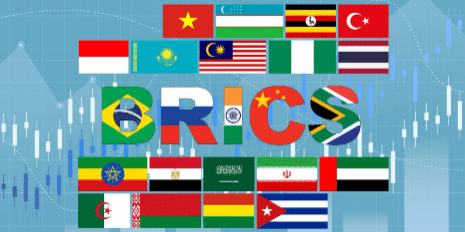
BRICS Common Currency: Dead in the Water or Just Delayed?

BRICS’ Common Currency: A Dream Fading Under Pressure?
For the last two years, BRICS has been aggressively pushing de-dollarization, aiming to sidestep the weaponization of the U.S. financial system. The alliance has promoted alternatives like BRICS Pay, direct trade in local currencies, and even settlement mechanisms outside of SWIFT. But the real bombshell was the proposal for a BRICS common currency—a move that rattled Washington and prompted then-President Joe Biden to call it a direct challenge to U.S. financial hegemony.
Now, with Donald Trump back in the White House, the pressure has only intensified. The newly re-elected president has threatened 100% tariffs on BRICS nations that attempt to ditch the dollar. Western financial institutions, including the IMF, have also issued sharp warnings, predicting economic turmoil if BRICS pursues this path. So, has the alliance caved under pressure?
BRICS Officials Backpedal on Currency Plans
Recent statements from key BRICS nations suggest that the alliance is not moving forward with a single currency anytime soon. Instead, the focus appears to have shifted toward strengthening local currency trade and improving banking cooperation.

🔹 South Africa’s finance minister, Enoch Godongwana, was among the first to dismiss the idea, stating that while BRICS is serious about de-dollarization, a common currency is not on the immediate agenda. “We are prioritizing trade settlements in local currencies, which enhances financial stability,” he noted.
🔹 India’s Reserve Bank Governor, Shaktikanta Das, echoed that sentiment, making it clear that a BRICS currency was never a collective decision but rather an idea floated by a single member. The implication? Russia was likely the driving force behind the proposal, given Moscow’s desperation to escape U.S. sanctions.
🔹 China and Brazil have stayed relatively quiet on the matter, preferring to advance bilateral trade in yuan rather than engage in an outright challenge to the dollar with a new currency.
Meanwhile, the Department of International Relations and Cooperation in South Africa clarified that BRICS is focused on infrastructure and banking network improvements, rather than direct de-dollarization measures. This marks a stark shift from the bold rhetoric of 2023 and 2024.
Why Is BRICS Backing Off?
The pushback from BRICS leaders suggests that internal divisions, logistical hurdles, and Western retaliation have combined to stall the common currency initiative. Here’s what likely happened:
1️⃣ 100% Tariff Threats from the U.S. – Trump’s aggressive stance against BRICS nations attempting to dump the dollar has raised the economic cost of such a move. With major economies like India and Brazil still reliant on U.S. trade, a full-scale confrontation may have been deemed too risky.
2️⃣ Internal Resistance – India and Brazil have long been skeptical about a BRICS currency, wary of China and Russia’s outsized influence over such a system. These nations would rather strengthen their own currencies than adopt a new one controlled by their geopolitical rivals.
3️⃣ Sanctions Pressure on Russia – While Russia has been the most vocal proponent of de-dollarization, Western sanctions have already pushed Moscow to the financial brink. A BRICS currency, if dominated by Russia, could be seen as toxic to the rest of the alliance.
4️⃣ Logistical Challenges – Creating a new global currency is no small feat. BRICS nations have vastly different economic systems, monetary policies, and inflation rates. Unlike the Eurozone, BRICS lacks the necessary financial and political integration to launch a shared currency without severe risks.
The Verdict: The BRICS Currency Plan Is on Ice—For Now
For all the hype about a BRICS common currency replacing the U.S. dollar, the reality is far more complex. The bloc may have talked a big game, but when faced with political, economic, and logistical challenges, they’ve opted for a more cautious approach—at least in the short term.
That doesn’t mean de-dollarization is dead. Far from it. BRICS will continue expanding trade in local currencies, building alternative payment systems, and challenging the petrodollar system. However, the dream of a unified BRICS currency seems to have been quietly shelved—perhaps indefinitely.
What Does This Mean for You?
The global financial system is shifting, but not in the way many expected. Instead of a sudden BRICS currency replacing the dollar, we’re seeing a slow erosion of U.S. dollar dominance through alternative trade agreements, local currency deals, and geopolitical realignments.
That’s why it’s critical to protect your wealth from the instability ahead. If you’re still holding all your assets in dollars, you need to start thinking strategically about diversification.
🔹 Download my free ebook, "7 Steps to Protect Your Account from Bank Failure," to secure your savings before the next crisis hits:
👉 Get it here
🔹 Want deeper insights into how de-dollarization will affect your finances? Join my Inner Circle for just $19.95/month and get exclusive access to in-depth analysis, financial strategies, and a community of like-minded individuals.
👉 Subscribe here
The writing is on the wall: the dollar’s dominance won’t last forever. But the BRICS currency is not the immediate replacement—at least, not yet. Stay informed, stay prepared, and take control of your financial future today.