BRICS De-Dollarization in 2026: A Silent Assault on the Global Dollar Order

The Fall of Dollar Supremacy Has Begun
What started as whispers of discontent within the global monetary system has evolved into a calculated, coordinated shift away from U.S. dollar dominance. In 2026, BRICS nations—Brazil, Russia, India, China, and South Africa—are not just talking about de-dollarization. They are executing it. And they’re doing so with tools that sidestep the traditional financial choke points America has relied on for decades to maintain control. This shift is reflected in broader global trends: the U.S. dollar’s share of official foreign exchange reserves has declined from over 70% at its peak to around 56–58% in recent years, evidence of growing diversification into other currencies and assets by central banks worldwide. The End of Dollar Dominance is becoming more than a theory—it’s measurable in how nations structure their trade and reserves as the financial order recalibrates.
This isn’t some fringe development. It’s a systemic pivot with profound implications for every dollar-based economy and every American saver.
BRICS Drops the Dollar: 90% of Trade Now in Local Currencies
The most alarming figure to emerge from the BRICS economic bloc in 2026 is this: Russia and China now settle 90% of their trade using the ruble and the yuan.

That’s not a projection. That’s today’s reality.
Russian President Vladimir Putin made it plain: “We are not fighting the dollar. But if they won’t let us use it, what choice do we have?” This statement echoes a powerful truth—U.S. sanctions, weaponized finance, and political hostility have backfired. BRICS nations have decided they no longer need the dollar, and they’re proving it with action, not rhetoric.
Building a New Financial World: BRICS Pay, mBridge & Beyond
The most dangerous part of this de-dollarization wave is that it’s not reliant on a single BRICS currency—at least not yet. Instead, member nations are constructing a latticework of digital payment systems that bypass SWIFT, bypass U.S. banks, and even bypass physical borders.
Key systems now live or expanding in 2026 include:
- BRICS Pay – connecting national systems like China’s CIPS, Russia’s SPFS, and India’s UPI
- mBridge – facilitating central bank digital currency (CBDC) settlements between China, Hong Kong, UAE, and Thailand
- Local currency corridors – bilateral trade agreements pricing goods in national units instead of dollars
This is not a prototype. These are operational networks designed to insulate BRICS from U.S. financial influence and sanctions.
India: The “Moderate” Voice That Masks a Larger Agenda
India’s External Affairs Minister, S. Jaishankar, insists that India is not actively seeking to replace the dollar. He claims the dollar remains a pillar of global stability.
But don’t be fooled.
India’s participation in BRICS Pay and UPI integration shows its silent alignment with the BRICS pivot. While New Delhi softens the public rhetoric, it’s still building escape hatches from the dollar system, hedging against future U.S. economic volatility.
In geopolitics, what’s left unsaid is often more important than what is said. And India’s actions speak volumes.
U.S. Retaliation: Tariff Threats and Blackmail Backfire
In a desperate move, former President Donald Trump threatened 100% tariffs on BRICS nations pursuing de-dollarization. That sparked international backlash and further entrenched BRICS determination.
Brazil’s President Lula da Silva called out the U.S. for “blackmailing with tariffs,” exposing the United States' increasingly fragile grip on global markets. The truth is, America's coercive financial diplomacy is losing its sting.
As BRICS builds alternatives, the dollar’s global demand shrinks, weakening its purchasing power, raising domestic inflation risk, and putting every dollar-based asset under siege.
No Single BRICS Currency... Yet. But That Doesn’t Mean Safety
Putin admits that a unified BRICS currency isn’t on the table—yet. But that doesn’t reduce the threat.
Why? Because the real war is not over a common currency. It’s about removing the dollar as the bridge between nations. With BRICS nations trading directly in local currencies and using new digital systems to settle, the dollar’s middleman role is evaporating. That’s the core of its global dominance—and it’s being dismantled right now.
What This Means for You: The Clock Is Ticking
If you’re holding U.S. dollars, saving in traditional bank accounts, or relying on dollar-based retirement assets, here’s the brutal truth:
- Your purchasing power is eroding.
- Your exposure to a falling dollar is growing.
- Your government is not in control of global finance like it used to be.
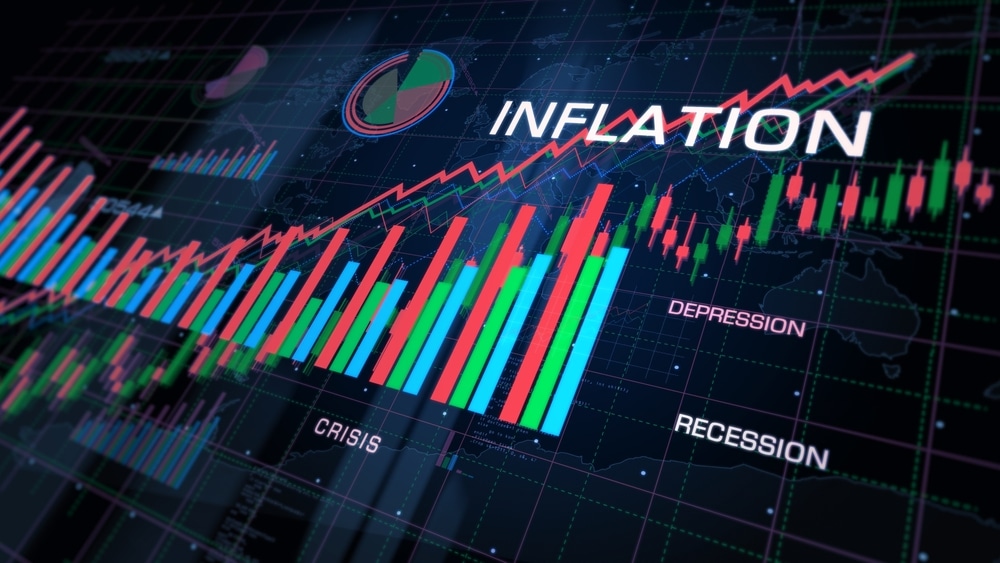
As global demand for dollars contracts, the Fed will lose the ability to suppress inflation without severe economic pain. Think higher interest rates, restricted credit, vanishing dollar liquidity—and a brutal reset of the global financial order.
This is not just about international finance. It’s about you. Your wealth, ability to transact and financial future.
What Comes Next: Prepare for the Digital Dollar Reset
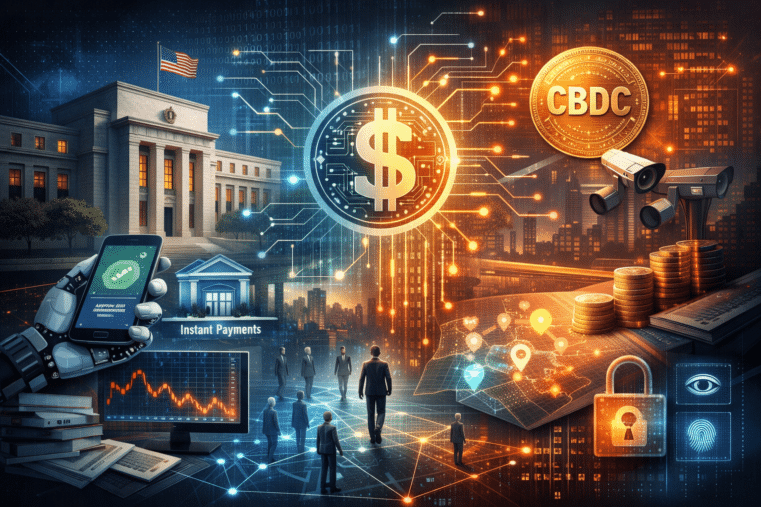
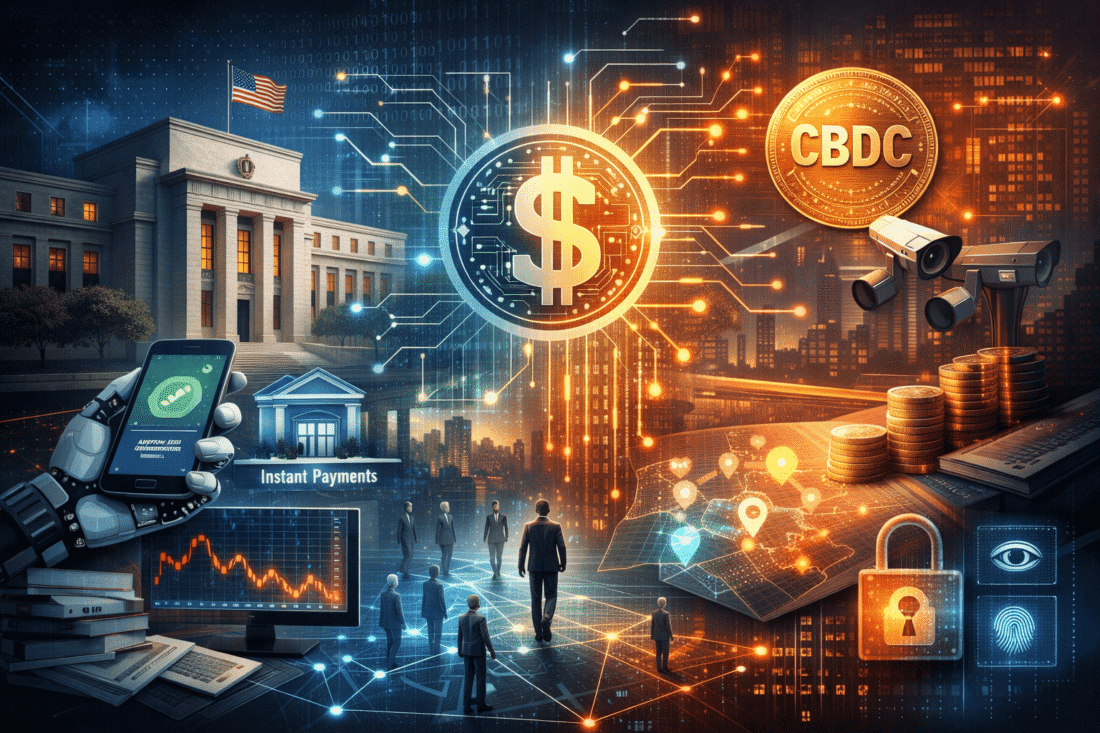
The BRICS are building their own systems. The IMF and central banks are moving toward central bank digital currencies (CBDCs). The writing is on the wall: paper money is dying, and control over your funds will be digitized, centralized, and weaponized.
If you wait until that reset is fully implemented, it will be too late to escape its grip.
That’s why I created The Digital Dollar Reset Guide. Inside, I lay out the strategies the elites are using to shield their wealth—and how you can, too.
👉 Download it now before the next financial lockstep leaves you exposed:
Get the Digital Dollar Reset Guide Here
The BRICS bloc isn’t asking permission. They’re dismantling dollar supremacy in real time. The question is, will you react in time—or get left behind?