Wall Street’s Panic Tells You Everything You Need to Know About Trump’s Fed Pick

Wall Street Is Uncomfortable — And That’s the Real Headline
The financial press wants you to believe this story is about “uncertainty.”
They’re half right.
Wall Street hates uncertainty.
But what it really hates is losing control.
Kevin Warsh hasn’t been confirmed.
He hasn’t changed policy.
He hasn’t moved rates.

Yet investors are already whispering. Analysts are hedging. Strategists are warning clients. That tells you everything.
When bankers get nervous this early, it’s not about risk.
It’s about power.
The Myth of the “Independent” Federal Reserve
We’re told the Federal Reserve is above politics.
Objective. Technocratic. Neutral.
That’s a fairy tale.
For decades, the Fed has been “independent” in only one direction:
Independent from voters.
Independent from workers.
Independent from savers.
But never independent from Wall Street.
Low rates inflate assets.
Asset inflation enriches banks, hedge funds, and multinational corporations.
That’s the real Fed mandate—no matter what the textbooks say.
When someone threatens that arrangement, the alarm bells go off.
Why Kevin Warsh Makes the Elites Nervous
Kevin Warsh confounds the system because he doesn’t fit neatly into their boxes.
- He’s been an inflation hawk.
- He’s now talking about productivity-driven growth.
- He isn’t reliably dovish or reliably hawkish.
- And most dangerously, he isn’t predictable.
Wall Street doesn’t fear bad policy.
It fears uncontrollable policy.
A Fed chair who doesn’t automatically serve the banking consensus is a problem for the permanent financial class.
The Convenient Amnesia About the Financial Crisis
Critics point out that Warsh was at the Fed before the 2008 collapse.
Fair enough.
But let’s get honest.
- The crisis wasn’t caused by one governor.
- It was caused by systemic fraud, reckless leverage, and regulatory capture.
- And after the crash, who got bailed out? Not Main Street.
The same institutions now pretending to worry about “stability” are the ones that broke the system—and then looted it again through zero rates and money printing.
Their sudden concern should not reassure anyone.
“Trump Pressure” vs. Wall Street Pressure
Axios and others warn that Warsh might cut rates to “appease Trump.”
That argument is rich.
Wall Street has spent decades applying quiet, relentless pressure on the Fed:
- Through revolving doors
- Through media narratives
- Through market tantrums
That pressure is never questioned.
It’s normalized.
It’s invisible.
But when an elected president challenges that arrangement, suddenly it’s a scandal.
That’s not economics.
That’s class warfare.
AI, Cheap Money, and the Next Bubble
Warsh has suggested that AI-driven productivity could allow lower rates without inflation.
Maybe he’s right.
Maybe he’s not.
But let’s be clear about what Wall Street wants:
- Cheap money
- Endless leverage
- Another speculative boom
If AI is the excuse, they’ll take it.
And when the bubble pops—as bubbles always do—the losses won’t land on the banks. They’ll land on pensions, workers, and taxpayers.
Again.
Why This Matters to Ordinary Americans
This fight isn’t about Kevin Warsh.
It’s about who the Fed works for.
- Savers crushed by inflation
- Families priced out of housing
- Workers watching their wages lag behind asset prices
None of them are represented when Wall Street dominates monetary policy.
The discomfort you’re seeing now is a sign that the script might be changing—or at least that the elites fear it could.
That fear is revealing.
The Bigger Picture: Control vs. Accountability
Wall Street wants stability.
But what it really wants is permanence.
Permanent low rates.
Permanent bailouts.
Permanent dominance.
Any disruption—left or right, hawk or dove—is treated as a threat.
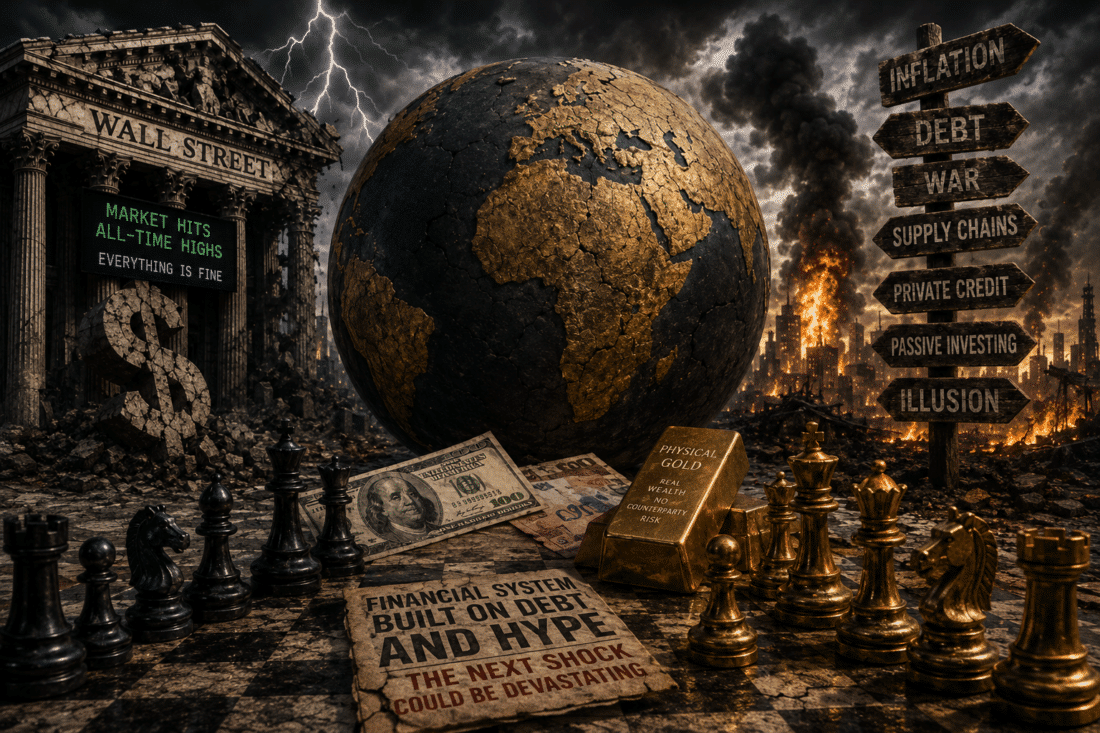
And that tells you the system is fragile, overleveraged, and afraid of sunlight.
Final Thoughts: Watch What Makes Them Panic
When Wall Street cheers, be cautious.
When Wall Street panics, pay attention.
Kevin Warsh may or may not be the answer.
But the reaction to him exposes the deeper sickness in our financial system.
The Fed isn’t neutral.
The markets aren’t moral.
And the banking elite does not act in your interest.
If Americans want real reform, it starts with questioning who controls money—and who benefits when it’s mismanaged.
Take Action Before the Next Crisis Hits
If you’re serious about protecting yourself from what’s coming next, don’t wait for Wall Street or Washington to save you.
Join the Inner Circle — normally $39.95, now just $19.95/month
The elites are nervous.
That’s your signal.