FDIC Won’t Save You: The Fraud Loophole That Can Drain Your Account

The Great Lie of Banking: FDIC ≠ Fraud Protection
Imagine waking up, checking your bank account, and seeing it drained. No alarms. No alerts. Just… gone. Now imagine calling your bank, only to be told, “You authorized the transaction. There’s nothing we can do.”
Welcome to the new digital battleground, where the banks play judge, jury, and executioner—and the FDIC is nowhere to be found.
The Illusion of FDIC Protection
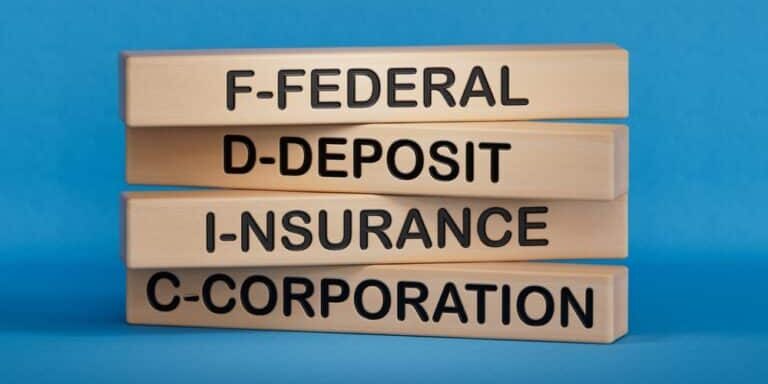
Let’s get this straight: FDIC insurance does not protect you from fraud. It only covers deposits if your bank fails. That’s it. Not if you’re scammed. Not if you’re hacked. Not if a fraudster tricks you into tapping “send.”

Under current U.S. law, there’s a crucial distinction between unauthorized transactions and those that are authorized but fraudulent. And guess which one the banks use to dodge responsibility?
If a criminal drains your account but tricks you into clicking the button, the banks get to say, “You approved it.” And by legal standards, that often means you eat the loss.
It’s a rigged game—and they wrote the rules.
The System That Legalized Theft
How did we get here?
The U.S. regulatory framework (specifically Regulation E under the Electronic Fund Transfer Act) offers limited protection for unauthorized transfers. But if you're tricked by a scammer into authorizing the transfer, that's your problem—legally speaking.
This gray zone is exactly where the fraud explodes.
Peer-to-peer (P2P) systems like Zelle are weaponized in this way. Scammers know how to socially engineer victims. They impersonate banks, send fake alerts, and get people to click. Zelle’s terms? You authorized the payment? Tough luck.
There is no blanket protection, no federal safety net, no universal refund policy. You're flying without a parachute in a storm you didn’t create.
Meanwhile, the banks outsource their infrastructure—the pipes that carry your money—to third-party processors like FIS, Fiserv, and Jack Henry. If those systems go down, or misroute your funds, the blame game begins... and the customer always loses.
The Tools They Hide Behind
The rollout of ISO 20022, a new global payment messaging standard, is hailed as a solution. It’s not. It may enhance data quality, but it doesn’t redefine liability.
Translation? The tools have changed, but the trap remains.
The industry sells you the illusion of technological progress, but under the hood, it’s the same corrupted engine: centralized power, opaque rules, and zero accountability when the system fails you.
And fail you it will.
Final Thoughts: Your Money, Their Rules
Banks used to sell us safety. Today, they sell us software—and liability.
They’ve outsourced their infrastructure, redefined fraud, and cloaked it all in techno-jargon. They’ve made YOU the fall guy for their systemic failures.
But there’s one thing they still can’t take without your permission: your financial sovereignty.
It’s Time to Break Free
The financial landscape is shifting faster than most realize, and those who fail to prepare risk being left behind. If you’re ready to take control of your financial destiny, I’ve got two resources that can help you start today:
Download my free book, Seven Steps to Protect Your Bank Accounts, and learn actionable strategies to shield your wealth from the coming economic storm.
Get your copy here
Grab a discounted hardcover of The End of Banking as You Know It by Bill Brocius—yours for just $19.95.
Order here
Remember: In a world where money is digital and trust is disposable, your only real defense is knowledge—and action.
Stay sharp. Stay sovereign.
— Mr. Anderson