
THE STRAIT REOPENS—BUT THE DAMAGE IS DONE: HOW GLOBAL CHAOS IS ABOUT TO HIT YOUR WALLET

The Strait Reopens—But the Clock Is Ticking
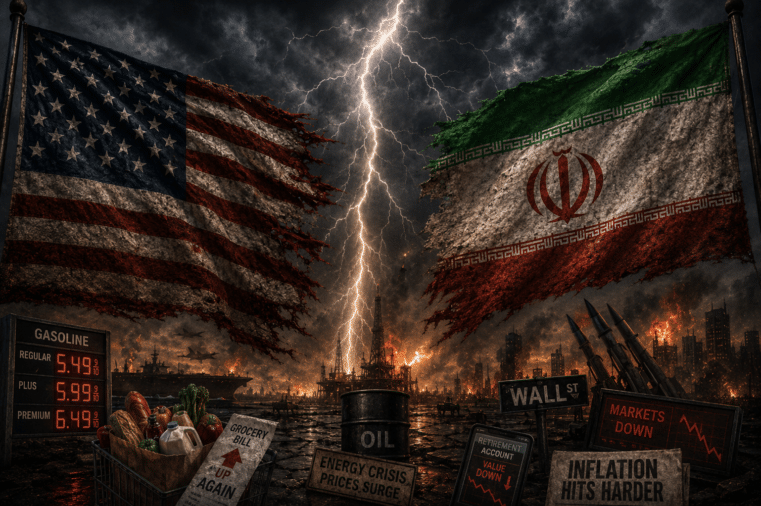
Iran has agreed to reopen the Strait of Hormuz. Sounds like good news. It’s not.
This is not stability. This is a pause. A 14-day window. A temporary truce in a critical artery that moves nearly 20% of the world’s oil.
That’s not peace. That’s leverage.

And when one chokepoint controls that much energy, the people in charge don’t just give it up. They use it. They price it. They squeeze it.
Supply Chains Don’t Magically Heal
Let’s get one thing straight: supply chains don’t reset overnight.
Five weeks of disruption doesn’t disappear in two weeks of “coordinated passage.”
Ships are backed up. Routes are scrambled. Infrastructure is damaged. Energy production is still limping.
That means one thing for everyday Americans:
- Higher gas prices
- More expensive groceries
- Rising costs across the board
This is the ripple effect. And it’s just getting started.
The Hidden Tax on Energy
Here’s what they’re not saying loudly enough: Iran now holds influence over a global chokepoint—and that influence doesn’t come free.
Call it a fee. Call it a restriction. Call it “technical limitations.”
It’s a tax. A global tax on energy.
And when energy gets taxed, everything gets taxed:
- Transportation
- Manufacturing
- Food production
- Consumer goods
You don’t see the Strait of Hormuz on your daily commute. But you feel it every time you swipe your card.
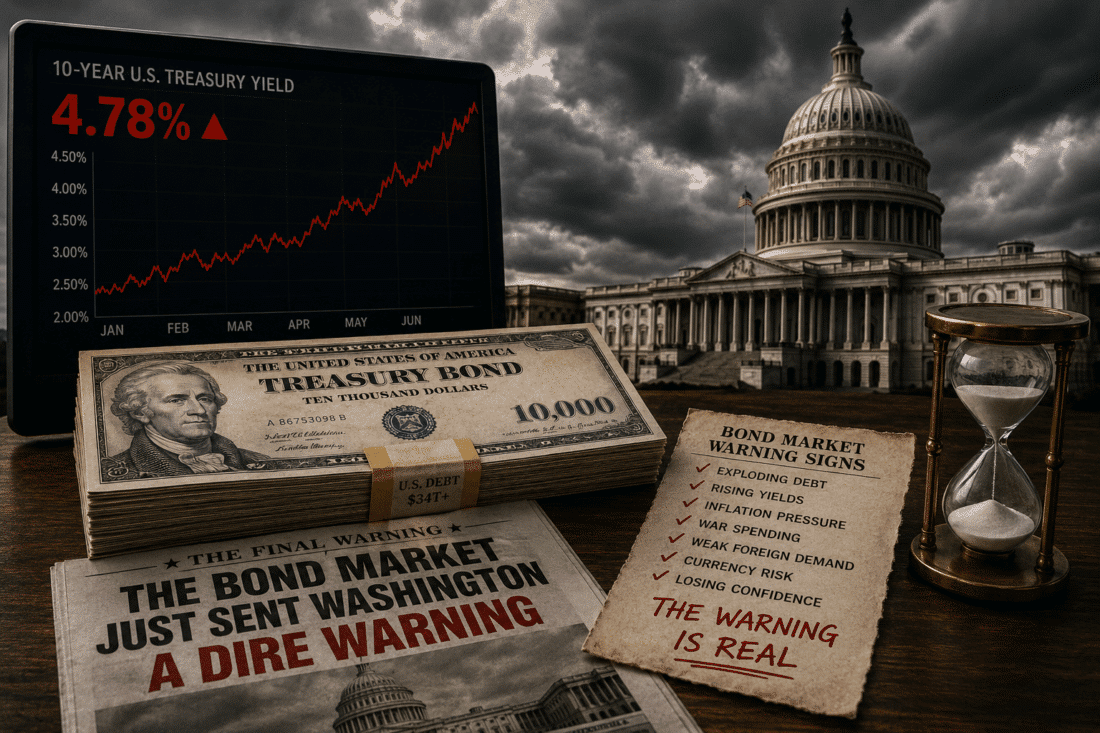
Markets React Fast—Reality Moves Slow
Oil prices dropped fast on the news. Of course they did. Markets love headlines.
But reality? Reality moves slower.
Prices are still well above pre-war levels. Traders aren’t betting on a return to normal anytime soon.
Why? Because they know what Washington won’t say:
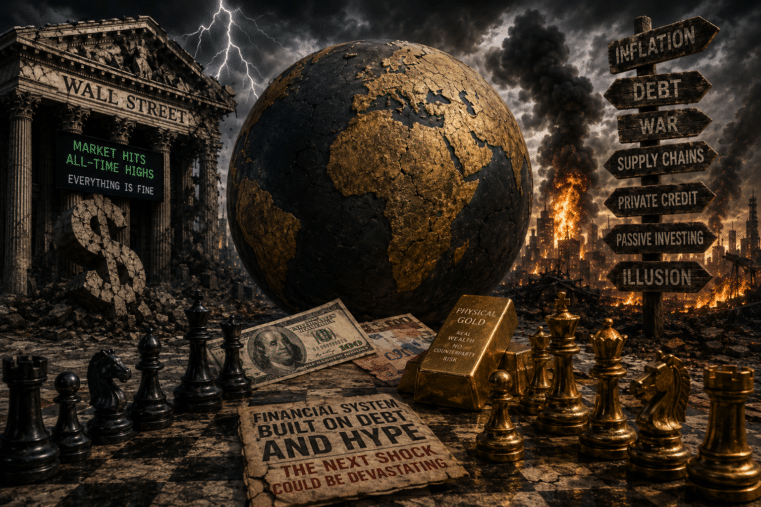
This system is fragile. One disruption. One conflict. One bad actor—and everything shakes.
Shortages Are Coming—and Some Are Already Here
Oil isn’t the only problem.
This disruption has hit:
- Fertilizer
- Helium
- Industrial inputs
These are the building blocks of modern life. Agriculture. Manufacturing. Technology.
When those supplies tighten, production slows. When production slows, prices rise.
And when prices rise, the middle class gets crushed.
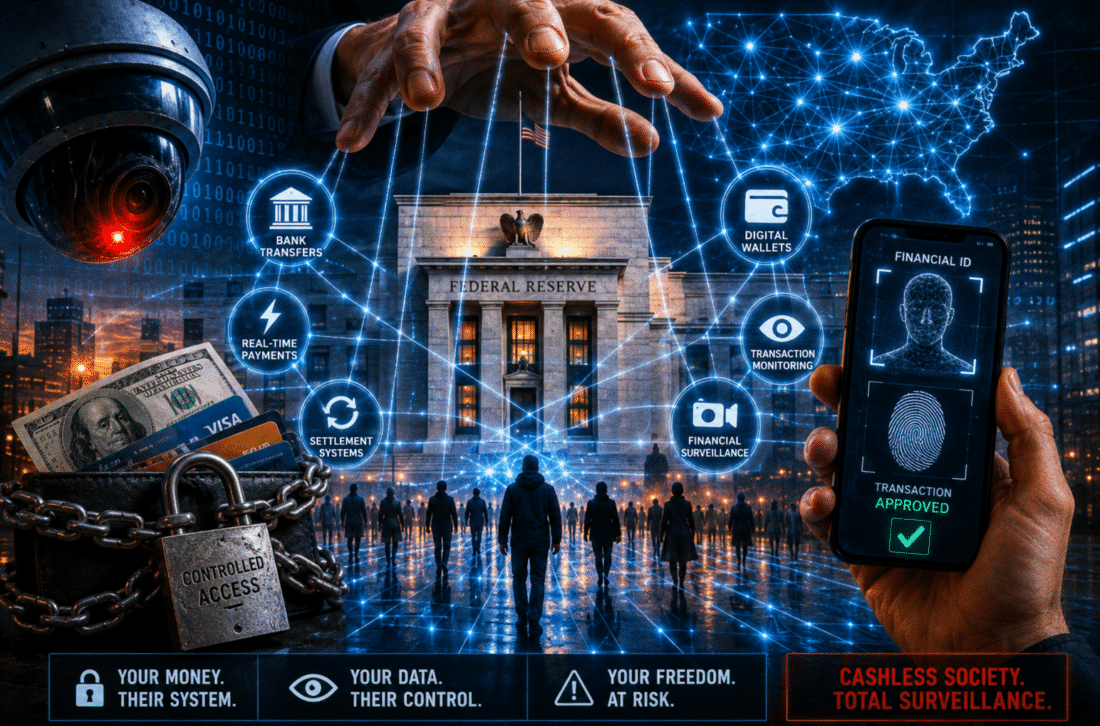
The Bigger Picture: Control vs. Freedom
This isn’t just about a shipping lane. It’s about control.
Control of energy. Control of trade. Control of economies.
And every time there’s a crisis, the same pattern emerges:
- More centralization
- More dependence
- More pressure on everyday people
Meanwhile, the financial elite position themselves to profit from volatility. They thrive on instability. They trade on it. They benefit from it.
While you pay more for gas.
While you stretch your paycheck further.
While you’re told this is all “temporary.”
Don’t Buy the Illusion of Stability
They’ll tell you the Strait is open. They’ll tell you the worst is over.
But the fundamentals haven’t changed.
- The region is unstable
- The supply chain is strained
- The leverage is still there
This is not a resolution. It’s a warning shot.
And if history tells us anything, it’s this: once a chokepoint is weaponized, it never truly goes back to normal.
Final Word: Prepare, Don’t Pretend
You can ignore this. Many will.
Or you can recognize what’s unfolding:
A fragile system. A tightening grip. A slow squeeze on your financial future.
The question isn’t whether this affects you.
The question is how prepared you are when it does.
Join the Inner Circle
If you want the kind of insight the mainstream won’t give you—real analysis, real warnings, and real strategies to protect yourself—then it’s time to step inside.
Join the Inner Circle today for just $19.95/month.
Stay informed. Stay ahead. Or get left behind.