Gas Prices Won’t Magically Fall: The Dangerous Illusion Behind Political Promises and the Real Cost of Energy Manipulation

The $3 Gas Promise: Political Theater Meets Market Reality
You’ve got one side saying gas prices might not dip below $3 until 2027.
The other says that’s nonsense—that relief is coming “as soon as this ends.”
Both statements sound confident. Clean. Reassuring.
They’re also built on a flawed premise:
That energy prices move on political timelines.

They don’t.
Gas prices are not controlled by speeches, press briefings, or optimism. They’re the result of a tangled web of global supply chains, geopolitical instability, production capacity, refining constraints, and currency dynamics.
Pretending otherwise isn’t just misleading—it’s dangerous.
War Doesn’t Just Spike Prices—It Warps the Entire System
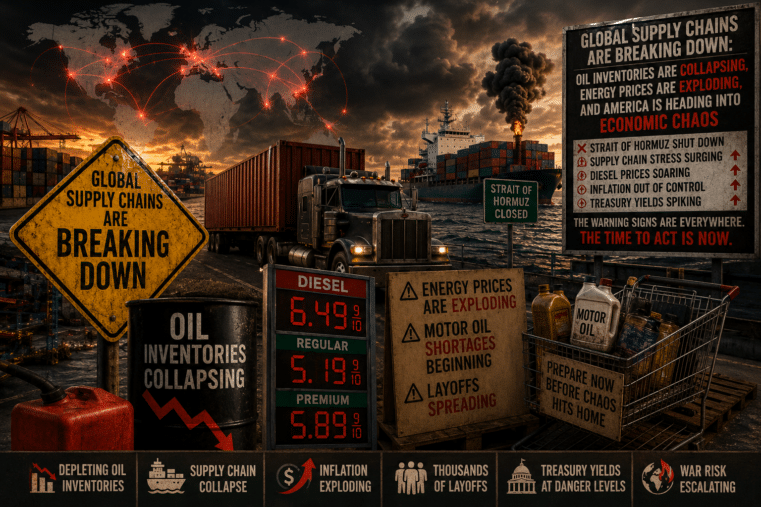
The conflict with Iran didn’t just push prices up. It injected instability into every layer of the energy market.
Supply routes get disrupted.
Insurance costs surge.
Risk premiums get baked into every barrel of oil.
And here’s what most people miss:
Even after a conflict cools down, those distortions linger.
Markets don’t “reset” overnight. They absorb shocks slowly, unevenly, and often with aftershocks that hit months later.
So when someone says prices will drop “as soon as this ends,” what they’re really saying is they’re ignoring how markets actually work.
The Real Price of Gas Isn’t Just Oil—It’s the Dollar Itself
Here’s where things get uncomfortable.
Energy prices aren’t just about supply and demand—they’re also about the purchasing power of the currency used to buy that energy.
If the dollar weakens, it takes more of it to buy the same barrel of oil.
That cost gets passed directly to you at the pump.
This is basic Austrian economics:
Prices don’t rise in isolation. They reflect deeper monetary conditions.
So even if oil production stabilizes…
Even if geopolitical tensions ease…
If the currency is being diluted, prices don’t just snap back.
They stick. They drift. They climb in ways that don’t match the headlines.
Central Forecasts vs. Market Signals
Government agencies are projecting gas prices staying elevated for years. Politicians are pushing back with confidence that relief is right around the corner.
But here’s the truth neither side wants to admit:
They’re both guessing.
Markets are decentralized. No single entity—no matter how powerful—can predict them with precision.
Austrian economics has warned about this for decades:
Centralized forecasting fails because it ignores the millions of individual decisions happening in real time.
Every driver.
Every producer.
Every trader.
Prices emerge from that chaos—not from a model or a press release.
Why Prices Don’t Fall as Fast as They Rise
You’ve felt it before.
Gas shoots up overnight—but takes its time coming down.
That’s not an accident. It’s structural.
When prices spike, it reflects immediate constraints—tight supply, panic buying, geopolitical risk. But when those pressures ease, the system doesn’t instantly reverse.
Why?
- Producers are cautious about ramping output
- Supply chains take time to normalize
- Refineries operate within fixed capacities
- Market participants hedge against future volatility
In other words:
The system has inertia.
And inertia doesn’t care about political messaging.
The Bigger Issue: A System Built on Fragility
What we’re seeing isn’t just about gas prices.
It’s about how fragile the entire energy and financial ecosystem has become.
Everything is interconnected:
- Global conflicts ripple into local prices
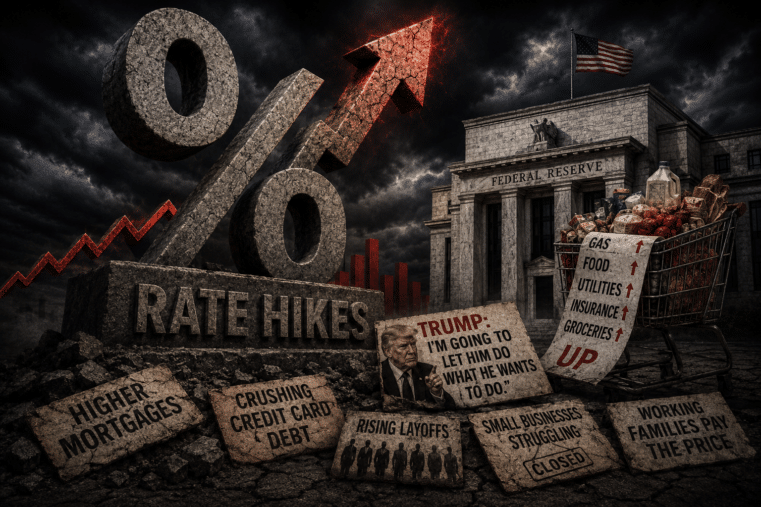
- Monetary policy distorts cost structures
- Centralized decisions create unintended consequences
And the average person is left navigating the fallout.
You’re told the system is stable. Predictable. Managed.
But the reality looks a lot different when you’re paying $4 a gallon and being told relief is either years away—or just around the corner.
My Take: This Isn’t About Who’s Right—It’s About What’s Real
From where I stand, arguing over whether prices drop next year or in 2027 misses the bigger issue entirely.
The real problem is the assumption that anyone in power can accurately steer or predict something as complex as the energy market.
They can’t.
What they can do is influence perception.
Shape narratives.
Buy time.
But reality doesn’t bend to messaging.
Energy markets are volatile because the systems behind them are strained—by policy, by conflict, by monetary distortion.
And until those underlying issues are addressed, you’re not going to see stable, predictable pricing.
You’re going to see swings. Uncertainty. And a whole lot of spin.
The Bottom Line: Don’t Confuse Confidence With Control
When you hear bold claims about where prices are headed, understand what you’re really hearing:
Not control.
Not certainty.
Just interpretation.
The market will do what it does—regardless of who’s in office or what they say on camera.
The only question is whether you’re prepared for that reality.
Take Action Before the System Tightens Further
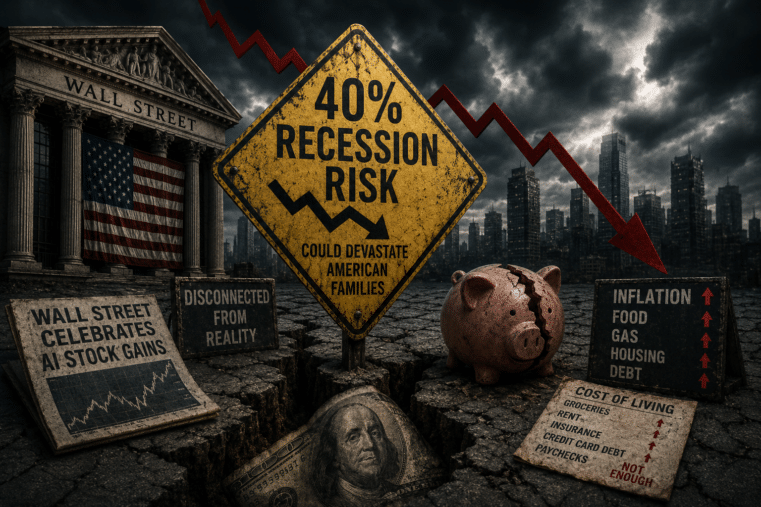
If you’re starting to see the cracks—rising costs, unstable markets, conflicting narratives—you’re already ahead of most people.
But awareness isn’t enough.
You need a strategy.
Download the Digital Dollar Reset Guide by Bill Brocius Here
This guide breaks down what’s coming next: the expansion of FedNow, the push toward central bank digital currencies (CBDCs), and the rise of programmable money that could redefine how—and if—you can spend your own cash.
This isn’t theory. It’s already unfolding.
Get the intel. Get prepared. Stay ahead.