
Netanyahu Backs Down from Iranian Strikes – But at What Cost?

Written by Eric Blair
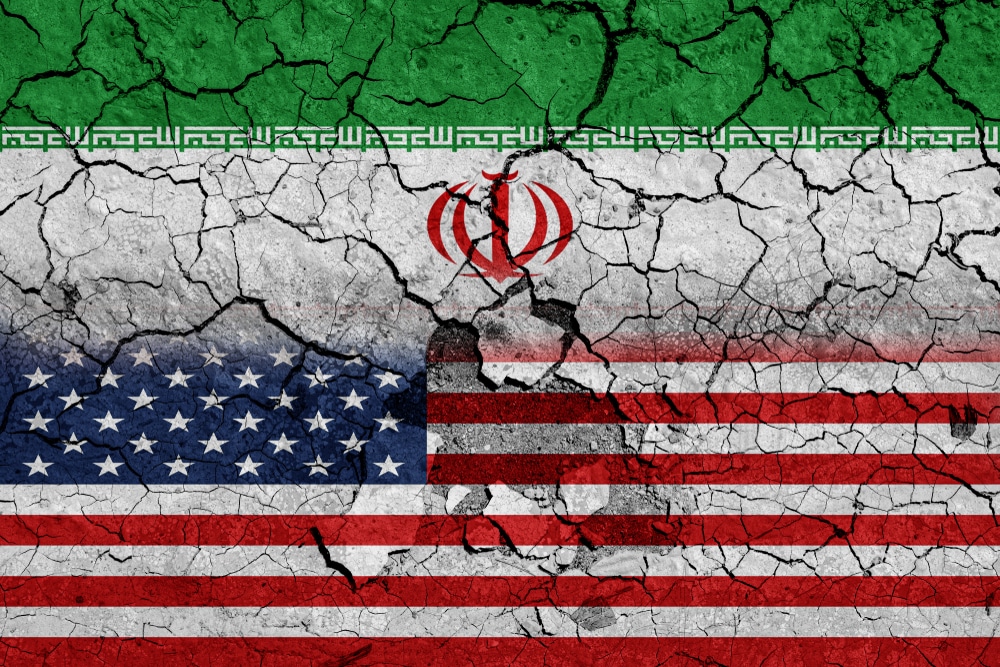
Two weeks have passed since Iran launched a brutal ballistic missile attack on Israel, raining down 200 projectiles and leaving behind a trail of destruction. Yet, Israel’s response—if and when it comes—remains unclear. Despite Prime Minister Netanyahu's long-standing warnings about neutralizing Iran’s nuclear program, it seems U.S. diplomacy, spearheaded by the Biden administration, is driving Israel to reconsider its retaliatory options.
What is becoming glaringly evident is the behind-the-scenes tug-of-war playing out between Washington and Tel Aviv. Biden’s camp has reportedly pressured Israel to steer clear of strikes on Iran's nuclear and energy infrastructure—arguably the two pillars that could cripple Iran's ambitions if hit. But just how far will Netanyahu bend to America’s wishes?

On one hand, some reports have hinted that Biden is giving Israel the green light to hit Iran’s Natanz nuclear site. On the other hand, The Washington Post suggests a reversal in direction, claiming Netanyahu is walking back plans to target Iran's nuclear and oil facilities. Instead, he seems prepared to limit strikes to military infrastructure, a move aimed at preventing the conflict from spiraling into a full-scale regional war.
This apparent climbdown was supposedly the result of a phone call last week, where Biden urged Netanyahu to proceed cautiously. Sources claim that Netanyahu’s softened stance led to a quid pro quo of sorts—America would send Israel the powerful THAAD missile defense system, complete with U.S. personnel to operate it, in exchange for restraint.
But let’s not kid ourselves. Netanyahu has been rattling sabers over Iran’s nuclear program for years. The hawks in his own security cabinet are unlikely to sit back quietly, especially as Israel grapples with its own war against Hezbollah on the northern border. We’re already seeing the consequences—just hours after this story broke, oil prices began to tumble, no doubt due to the geopolitical uncertainty and reports of faltering Chinese demand.
While Washington may be celebrating its diplomatic “win,” one has to wonder—what’s the cost? Israel's options for deterring Iran may have narrowed, but the risks haven’t gone away. In fact, by playing this game of appeasement, Netanyahu might only be postponing the inevitable showdown with Tehran.
In this climate of heightened risk and global instability, you simply can’t afford to leave your financial well-being in the hands of these volatile markets and warmongering politicians. Now more than ever, it’s critical to protect your assets. Download Bill Brocius' 7 Steps to Protect Your Account from Bank Failure to ensure you're ready for the economic chaos ahead. Access it here and safeguard your wealth from the storm that's coming.
Remember, the next financial crisis is not a question of "if"—it’s a question of "when."