
TARIFF SHOCKWAVES: How Trump’s Global Trade Move Could Ignite Inflation and Crush the Dollar

A New Layer of Global Uncertainty
When governments start adjusting tariffs, they aren’t just tweaking trade policy — they’re changing the rules of the global economic game.
Recent U.S. tariff actions have added another layer of uncertainty to an already fragile system. Markets don’t like uncertainty. Businesses don’t like uncertainty. And working families definitely don’t like uncertainty — because it usually shows up in the form of higher prices.
One analyst described the situation as “opening a Pandora’s box.” That may sound dramatic, but the point is simple: once trade tensions escalate, they rarely unwind cleanly.
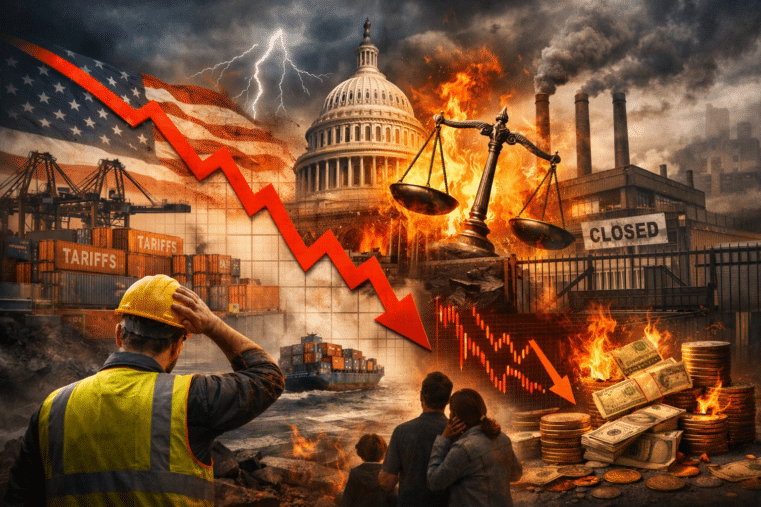
Tariffs are not abstract policy tools. They are taxes on imported goods. And taxes always get paid by someone.
Tariffs and Inflation: The Quiet Tax on Your Wallet
Here’s where this gets personal.
When import costs rise, companies have three choices:
- Absorb the cost (which hurts profits)
- Pass the cost on to consumers
- Reconfigure supply chains (which also costs money)
Most of the time, consumers feel it.
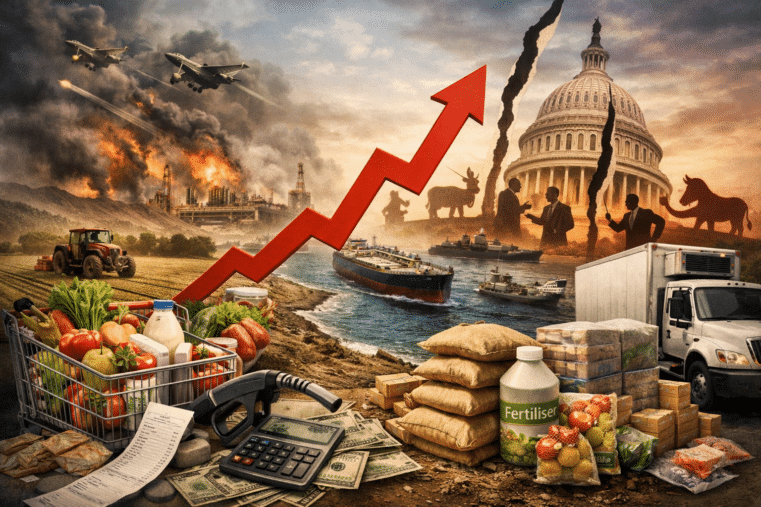
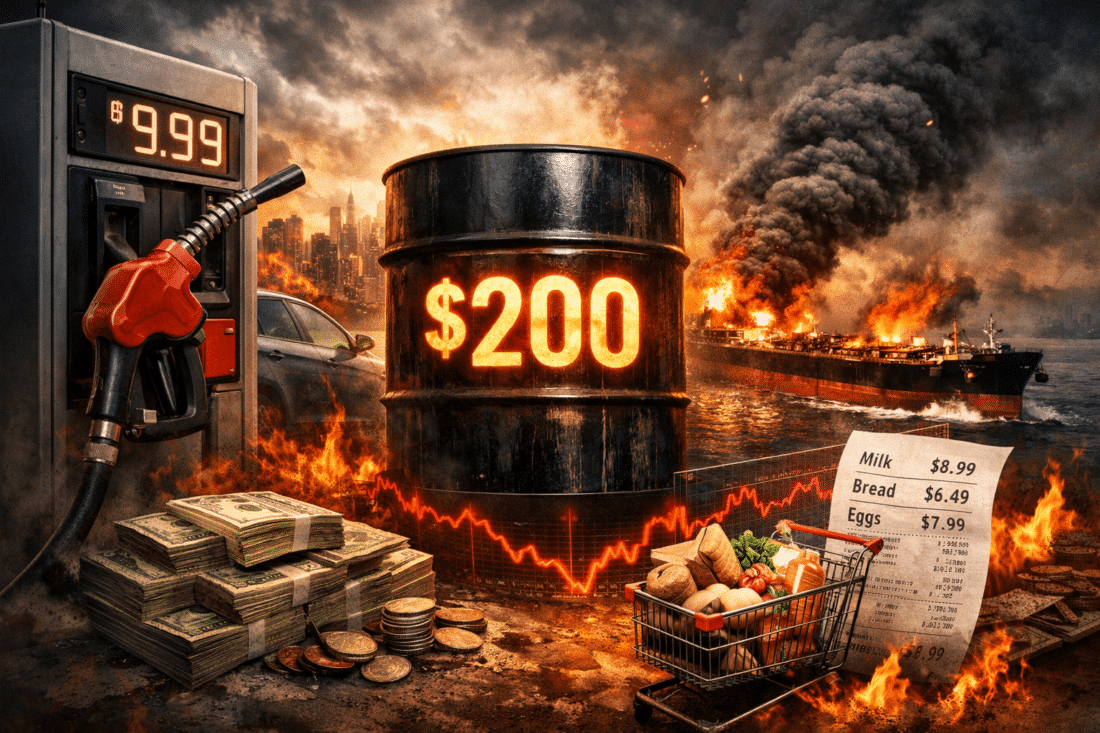
Think about fiat currency like a car you just drove off the lot. It’s losing value over time. Inflation is the depreciation. Tariffs? They can press harder on the accelerator.
Even if inflation doesn’t spike overnight, rising import costs add pressure. And when inflation expectations rise, central banks are forced into difficult decisions — raise rates and risk slowing growth, or hold steady and risk higher prices.
Either path increases volatility.
Market Volatility Is a Warning Sign
One of the more important observations in the coverage was that risk appetite is declining and even Treasuries are becoming more volatile.
That’s not trivial.
Treasuries are supposed to be the “safe” part of the financial system. When even government bonds begin swinging more aggressively, it signals deeper structural tension.
I’ve been in finance long enough to recognize this pattern. Before major shifts, you often see small tremors:
- Increased bond volatility
- Currency fluctuations
- Shifting capital flows
- Rising geopolitical rhetoric
Individually, they seem manageable. Collectively, they tell you the system is under stress.
Is This a “Game Changer”?
Some analysts say this isn’t a game changer — just a slight shift in the rules.
In the short term, that may be true. Markets often absorb new policies without collapsing. But here’s what concerns me:
Trade conflicts rarely stay static. They escalate. Retaliation follows. Alliances shift. Countries begin looking for alternatives.
We’ve already seen growing conversations around de-dollarization — nations settling trade in non-dollar currencies, diversifying reserves, and increasing gold holdings.
When trust between trading partners weakens, countries hedge. And one of the oldest hedges in history is gold.
The Bigger Issue: Trust and the Dollar System
The global financial system is built on trust:
- Trust in contracts
- Trust in trade agreements
- Trust in legal frameworks
- Trust in currency stability
When political and legal uncertainty increase, that trust erodes incrementally.
It doesn’t collapse in a day. It frays slowly.
And when nations perceive rising policy unpredictability, they begin reducing exposure. That’s how long-term structural shifts begin.
This isn’t about fear — it’s about understanding incentives. Countries act in their own interest. So do investors. So should you.
Why Gold and Silver Matter More in This Environment
Let’s bring this home.
When inflation expectations rise…
When bond markets grow more volatile…
When geopolitical fragmentation increases…
When currency trust faces pressure…
Gold and silver historically step into a more important role.
They are not promises.
They are not liabilities.
They do not depend on political negotiations.
Gold has preserved purchasing power through wars, trade disputes, currency resets, and monetary experiments.
Silver carries both monetary and industrial value — making it uniquely positioned in periods of economic transition.
If the financial system were a house, gold and silver would be the foundation — not the wallpaper.
You don’t buy them because you expect chaos tomorrow.
You own them because uncertainty is rising.
A Working Man’s Perspective
I didn’t grow up in a world of central bank policy meetings. I grew up understanding the value of a dollar because my family worked hard for every one of them.
When I look at tariffs, inflation, and rising global tension, I don’t see political headlines.
I see potential erosion of purchasing power.
I see retirement accounts exposed to volatility.
I see people who think they’re diversified but are still fully tied to the same currency system.
And I’ve watched enough cycles to know that waiting until the crisis is obvious is usually too late.
The Bottom Line
Are tariffs alone going to break the global economy tomorrow? Probably not.
But they are another brick in a wall of:
- Persistent inflation risk
- Geopolitical instability
- Rising bond market volatility
- Structural shifts away from dollar dominance
In that kind of environment, ignoring precious metals is like driving without insurance because you haven’t had an accident yet.
It works — until it doesn’t.
Take Control While Others React
You can’t control global trade policy.
You can’t control central bank decisions.
You can’t control geopolitical tensions.
But you can control how prepared you are.
That’s exactly why I want you inside Inner Circle.
Inner Circle isn’t just another newsletter — it’s a private community of serious, like-minded individuals who understand that the financial system is shifting and want practical, actionable strategies to stay ahead of it. Inside, we focus on protecting purchasing power, navigating monetary instability, and positioning intelligently with gold, silver, and real assets.
If you’re tired of reacting to headlines and ready to think strategically about your wealth, this is where you belong.
The world is getting more uncertain.
The prepared won’t panic.
I’ll see you inside.