Volatility Is Back — And It’s Being Engineered on Purpose

The Surface Story: Tariffs, Denmark, and a Familiar Crisis Pattern
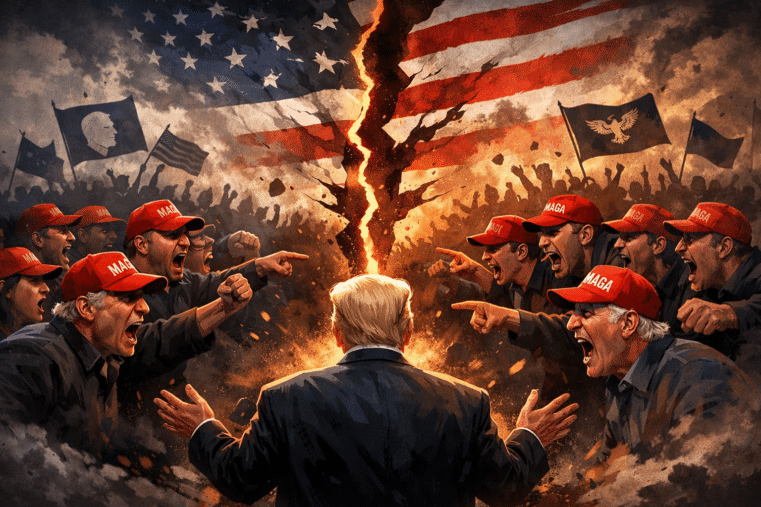
Trump’s move to threaten 10% tariffs on eight NATO allies — with a promise to escalate to 25% by June — sounds absurd on its face. Why? Because it’s all over Denmark’s refusal to hand over Greenland. Yes, you read that right: Greenland. It’s a rerun of a 2019 story, but now it’s tethered to real economic punishment. According to the Peterson Institute for International Economics, tariffs imposed during the 2018–2019 trade conflicts raised costs for U.S. consumers and businesses by tens of billions of dollars annually, with virtually no long-term trade benefits. That context matters, because this episode isn’t diplomacy gone wrong — it’s the Trump tariffs volatility strategy re-emerging as a deliberate pressure tool, where economic damage is no longer collateral but leverage.
The S&P 500 dropped over 1%, the dollar weakened, and Treasury yields jumped — textbook signs of investor anxiety. And yet, as in past crises, the market is just trying to keep up with the unpredictable nature of “Trump 2.0.”
Ursula von der Leyen, the head of the European Commission, called the tariffs a betrayal: “When friends shake hands, it must mean something.” But that assumes this is still a game of diplomacy. It’s not. It’s about dominance — economically, militarily, and digitally.

What They Get Right: Markets Don’t Like Uncertainty
The mainstream coverage isn’t all bad. Axios rightly points out that this is a return to policy volatility. It highlights:
- The market’s fragility in the face of geopolitical disruption.
- The whiplash effect of last-minute presidential statements.
- The disconnect between economic resilience and financial stability.
In short: the U.S. economy is still standing, but the markets are twitchy.
That’s not surprising. The market thrives on predictability — trade deals, tax policy, global alliances. But now, everything’s on the table. The Trump team is playing chicken with trade partners, and no one knows where it ends.
What They Miss: This Volatility Is the New Policy Tool
Here’s where I diverge from the official take.
❌ It’s Not Just “Uncertainty” — It’s Intentional
This isn’t just about Trump being erratic. It’s volatility as strategy.
- Disrupt alliances, keep adversaries and allies off balance.
- Weaponize trade — not for better deals, but for leverage on completely unrelated matters (like territory grabs).
- Push the limits of what markets and institutions can absorb.
This isn’t new. Remember “Liberation Day”? Tariffs were thrown down across the board, and global supply chains buckled. The result? An economy held hostage to political theater — and investors scrambling to front-run the next tweet.
What Comes Next: More of the Same — But Louder
Don’t expect clarity. Expect escalation. Unless Denmark caves (highly unlikely), those tariffs are coming February 1st. And if there’s no face-saving off-ramp by June? You’re looking at 25% tariffs across the board on major NATO economies.
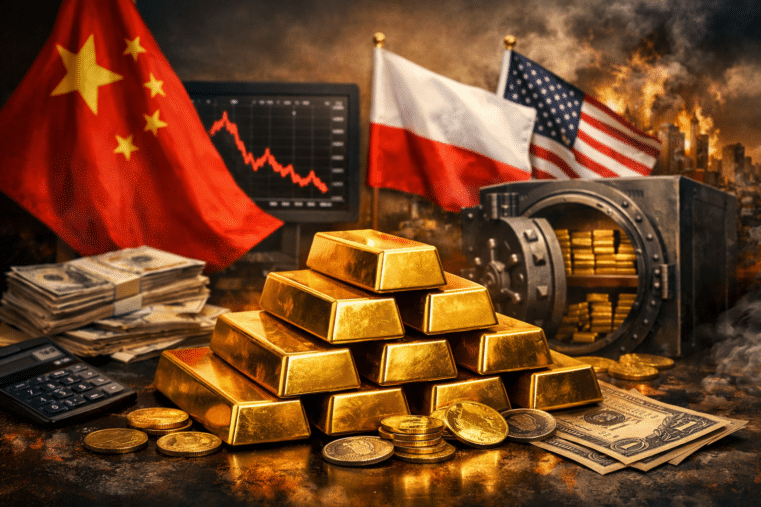
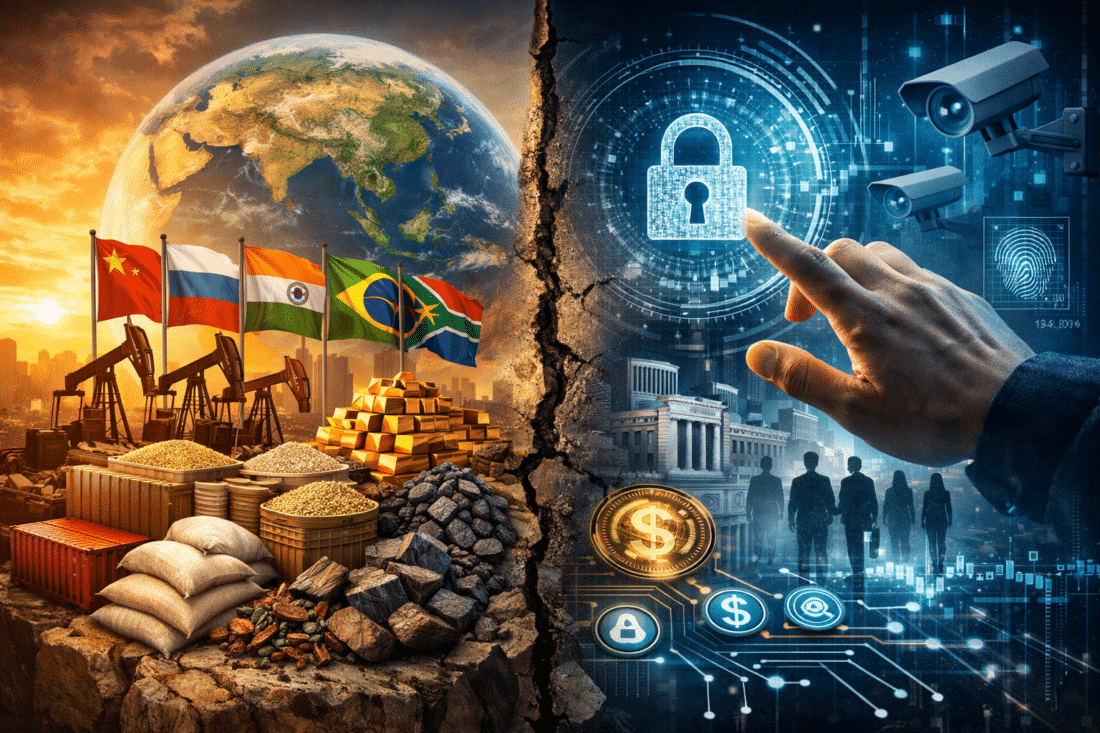
The EU is already posturing, but don’t expect a clean counterpunch. The real danger is de-dollarization creeping in as U.S. unpredictability pushes trade blocs toward alternative systems.
Markets will continue to convulse — not because the economy is broken, but because the rules of engagement have changed.
Why This Matters for You: Controlled Chaos Is the New Status Quo
For average Americans, this isn’t just noise:
- Tariffs = higher prices on imported goods.
- Market shocks = retirement accounts exposed to violent swings.
- Weakened alliances = real security threats and less global coordination.
- Policy volatility = central banks more likely to overreact or misfire.
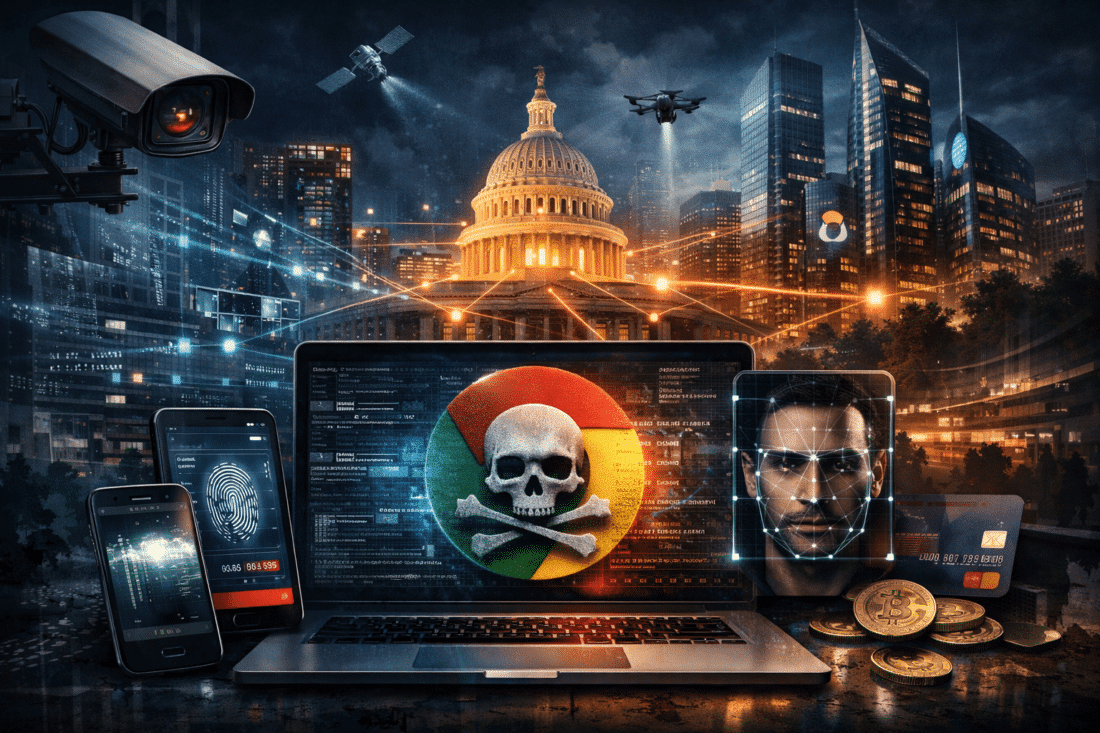
But the biggest risk? Digital centralization disguised as stability.
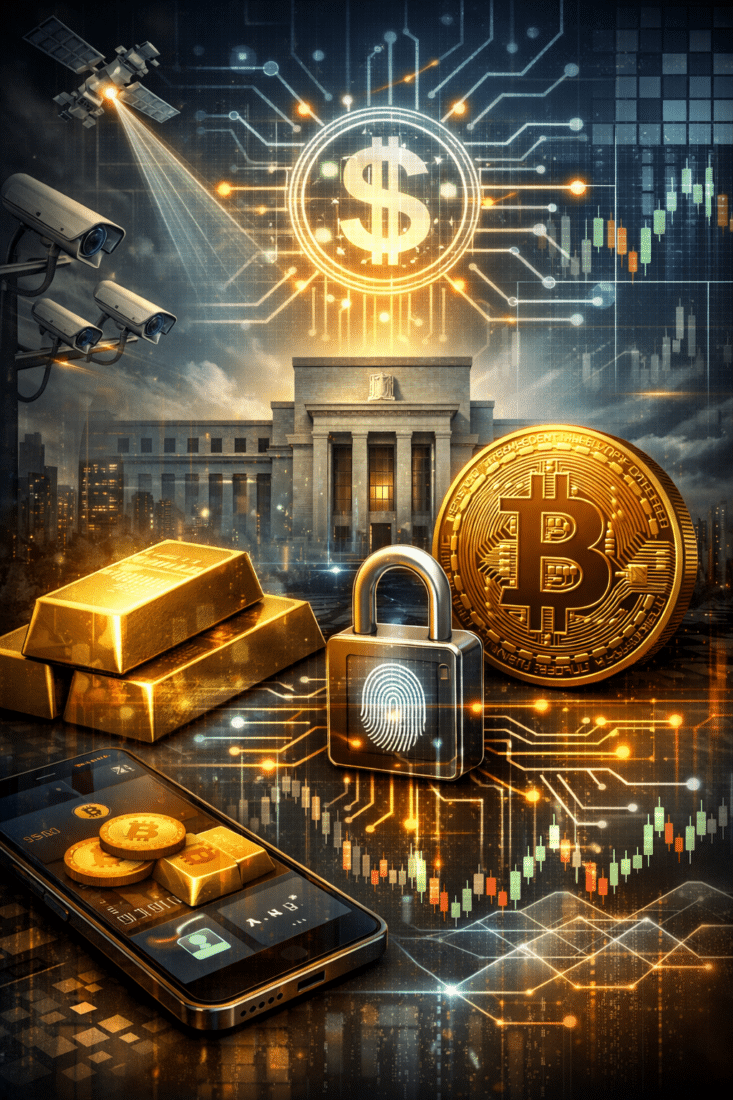
The more chaos these manufactured crises create, the more the system’s handlers will push for “solutions” like programmable money, CBDCs, and FedNow-style infrastructure. First they burn down the system — then they offer you a digital leash in the ashes.
The Bottom Line: This Is a Strategic Breakdown, Not a Policy Fluke
We’re not in a world of simple left vs. right anymore. We’re in a world of centralized power vs. financial autonomy. Trump’s tactics may be brash, but they’re part of a longer trend of weaponized economics — one that serves to destabilize the middle class, corral capital, and digitize control.
Take Action Before the Next Shock Hits
If you think this ends with a renegotiated Greenland deal or some mild EU tariffs, you’re missing the real game. This is a staged collapse — and you’re the target.
That’s why you need to read the Digital Dollar Reset Guide by Bill Brocius. It’s not optional anymore. It’s the field manual for surviving the monetary wars ahead. If you’re not preparing for capital controls, digital rationing, and centralized economic enforcement, you’re already behind.
👉 Download it now before the next “emergency” locks you out
Volatility is back — but this time, it’s not a side effect. It’s the plan.