
Was Washington Talking to the Wrong People in Iran All That Time?

They Were Talking—But Not to the People in Charge
Let’s cut through the noise.
For weeks, headlines told us negotiations were underway. Progress. Diplomacy. Hope.
But behind closed doors? A different story.

U.S. officials are now admitting something stunning: they aren’t even sure who’s actually running Iran right now. The people sitting at the negotiating table may not have the authority to agree to anything.
That’s not strategy. That’s chaos.
And when you negotiate with the wrong people, you don’t get peace—you get delay. You get confusion. You get blindsided.
The Real Power Shift: From Politicians to Hardliners
While diplomats were shaking hands, power in Iran appears to have shifted elsewhere.
Not to elected officials. Not to moderates.
To the Islamic Revolutionary Guard Corps.
To men like Ahmad Vahidi—figures described even by analysts as hardliners among hardliners. The kind of leadership that doesn’t bend. Doesn’t compromise. Doesn’t play by Western expectations.
That changes everything.
Because diplomacy only works when both sides are willing to deal. And right now, one side may not be interested at all.
A Dangerous Clock Is Ticking
The timeline is tightening.
Deadlines. Ceasefires. Warnings.
The message coming out of Washington is blunt: if there’s no deal, escalation follows.
That’s not speculation. That’s reality.
And here’s the part most Americans aren’t being told clearly enough: when communication breaks down at this level, miscalculation becomes the biggest threat.
Not intention. Miscalculation.
History is full of conflicts that spiraled not because leaders wanted war—but because they misunderstood who they were dealing with.
What This Means for Everyday Americans
This isn’t just about foreign policy. It never is.
Global instability doesn’t stay overseas.
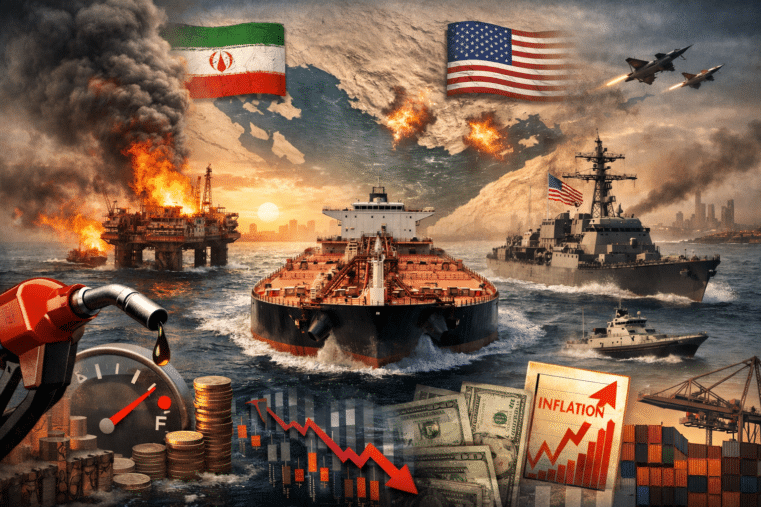
It hits energy markets. It hits supply chains. It hits your cost of living.
It hits your wallet.
Every missile fired abroad has ripple effects at home—especially in an economy already stretched thin.
And yet, while these high-stakes decisions unfold, most Americans are fed fragments. Headlines without context. Soundbites without substance.
That’s not transparency. That’s distraction.
The Bigger Problem: A System Out of Sync
Step back and look at the pattern.
Leaders negotiating without full clarity. Intelligence gaps. Conflicting reports about who holds power.
This isn’t just about Iran.
It’s about a system that too often reacts instead of anticipates. A system where the people at the top don’t always have a firm grip on rapidly changing realities.
And when that system falters, it’s not the elites who feel it first.
It’s you.
Where This Could Go Next
Let’s be clear: no one knows exactly how this plays out.
There could still be a breakthrough. A last-minute agreement. A shift behind the scenes.
But the risk level has gone up. Significantly.
Because now, it’s not just about whether a deal can be reached.
It’s about whether the right people are even in the room.
Final Word: Stay Alert, Stay Informed
Moments like this demand attention.
Not panic—but awareness.
Because when global tensions rise and information gets murky, the average American needs to be sharper, not sleepier.
Watch closely. Question what you’re told. Look beyond the surface.
The world is shifting fast.
And the consequences don’t stay overseas for long.
Join the Inner Circle
If you want deeper analysis that cuts through the noise and connects the dots the mainstream often misses, it’s time to step inside.
Get exclusive insights, uncensored breakdowns, and real-time updates that matter.