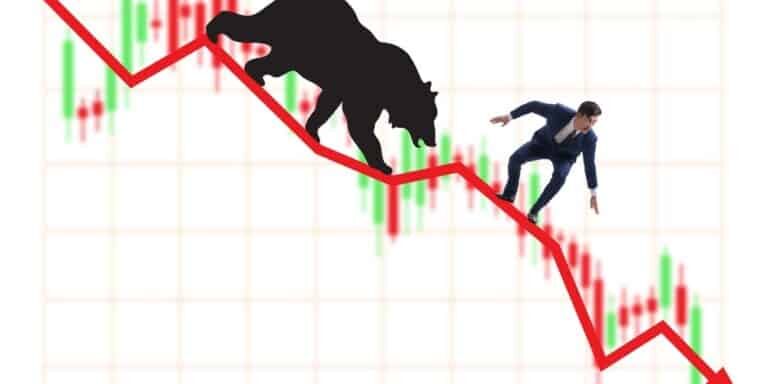
GOLD JUST COLLAPSED IN A CHAOTIC WORLD—HERE’S WHY THAT SCARY (IT’S NOT WHAT YOU THINK)

When Gold Drops During Chaos, Something Bigger Is Happening
I’ve been doing this a long time, and I’ll tell you straight:
When the world gets shaky, gold is supposed to shine—not stumble.
So when I see gold drop over 20% in a matter of weeks, right as geopolitical tensions rise and markets get unpredictable, I don’t shrug it off.

I pay attention.
Because that kind of move doesn’t mean gold is broken.
It means the system is under pressure.
This Isn’t About Politics—It’s About Policy Impact
Let’s be clear and keep this grounded.
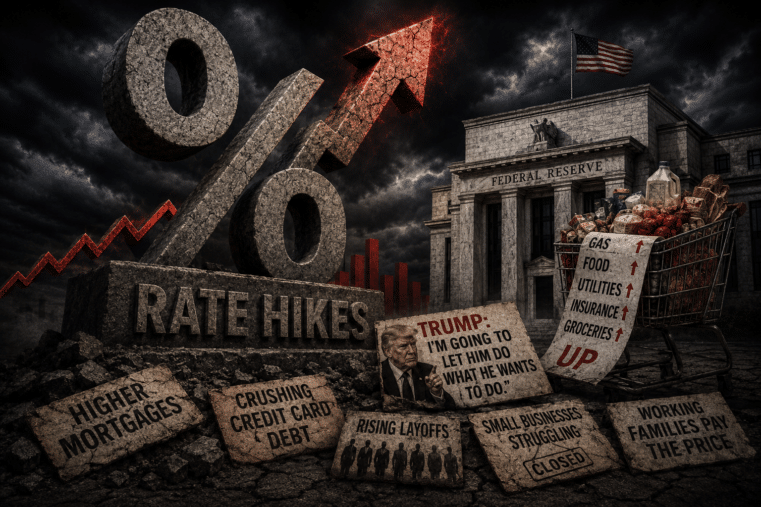
Policies coming out of Washington—especially aggressive tariffs and rising geopolitical tensions under the current administration—are playing a role in shaking global markets.
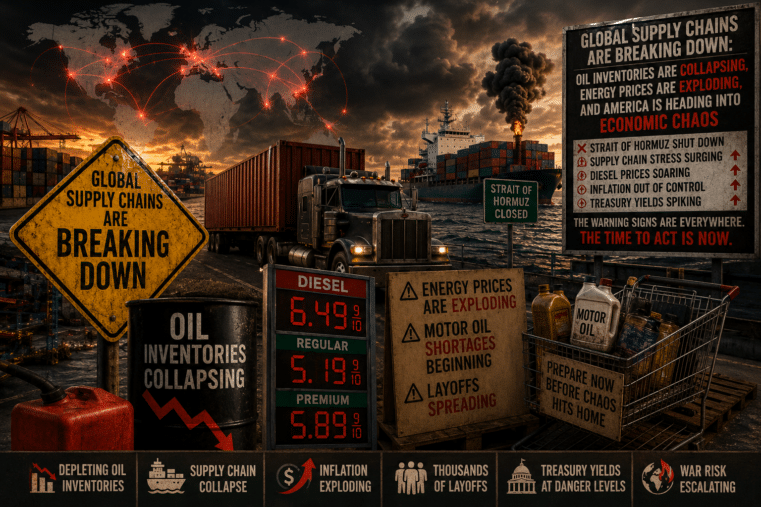
Tariffs, for example, don’t exist in a vacuum. They ripple through supply chains, raise costs, and create uncertainty for businesses and investors alike. On top of that, escalating tensions in key regions like the Middle East add another layer of unpredictability, especially when critical energy routes are involved.
You don’t have to agree or disagree politically to see the outcome:
The global system is becoming more unstable.
And markets react fast when that happens.
Why Gold Is Falling (And Why That’s Misleading)
Now here’s where most folks get tripped up.
They think: “If things are bad, gold should go up.”
That’s true—eventually.
But in the early stages of a crisis, something very different happens.
Investors need cash. Fast.
So they sell what they can sell—assets that have gone up and are easy to liquidate.
And guess what’s been one of the best-performing assets leading into this?
Gold.
I like to explain it this way:
If your car breaks down and you need money for repairs, you don’t sell the junk in your garage—you sell the one thing that actually has value.
That’s gold right now.
It’s not being rejected. It’s being used.
The Liquidity Crunch Most People Don’t See
This is where things get serious.
When you see strong assets getting sold off, it usually points to one thing:
A liquidity squeeze.
Big players—funds, institutions, even governments—are scrambling to cover positions, losses, or unexpected risks.
We’ve seen this movie before:
- 2008 financial crisis
- Early 2020 pandemic shock
Same pattern.
Gold drops first… then roars back later.
Why the Dollar and Oil Are Stealing the Spotlight
Right now, money isn’t just moving out of gold—it’s moving somewhere else.
Two places in particular:
- The U.S. dollar
- Energy markets (especially oil)
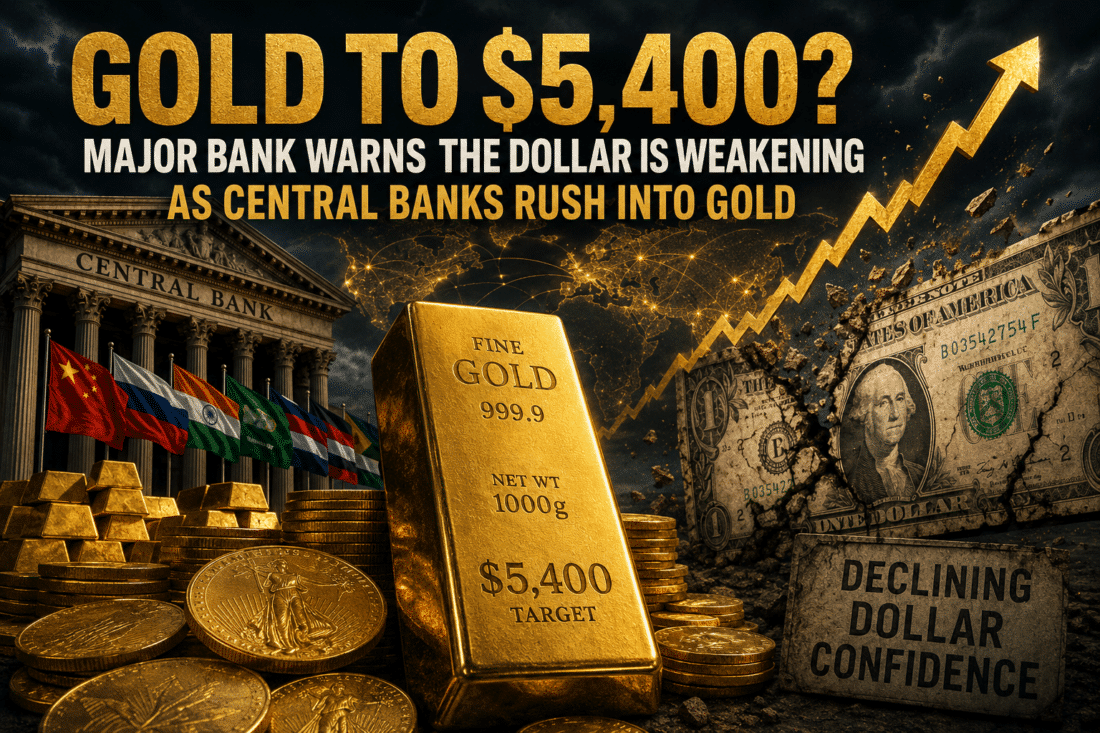
A stronger dollar puts pressure on gold in the short term. It makes gold more expensive globally and shifts demand.
At the same time, rising tensions around key oil routes have pushed energy to the center of attention. When supply fears kick in, capital flows into oil because the market is trying to price in scarcity.
But let’s not confuse that with stability.
It’s reaction—not resolution.
The Dangerous Misunderstanding About “Inflation”
Here’s another piece most people get wrong—and it’s costing them.
Inflation isn’t just rising prices at the store.
That’s the symptom.
The real issue is currency debasement—too much money being created, chasing too few real goods.
And when policymakers respond by artificially adjusting interest rates, it doesn’t fix the root problem. It distorts it.
It’s like trying to fix a leaking pipe by turning up the water pressure. You might change what you see—but the problem is still there, getting worse behind the walls.
Strange Market Moves Should Raise Red Flags
Now here’s where things start to smell off.
We’re seeing massive trades move markets in minutes. Billions flowing in and out, triggering sharp swings, followed by sudden announcements that reverse sentiment just as quickly.
That kind of activity raises real questions about:
- Information asymmetry
- Institutional advantage
- Whether everyone is really playing by the same rules
I’ve been around long enough to know—when markets start acting like this, regular investors are usually the last to know what’s really going on.
The Big Picture: Gold’s Role Hasn’t Changed
Let me bring this back to what actually matters for you.
Despite the volatility… despite the drop…
Nothing fundamental about gold has changed.
In fact, the long-term case is getting stronger:
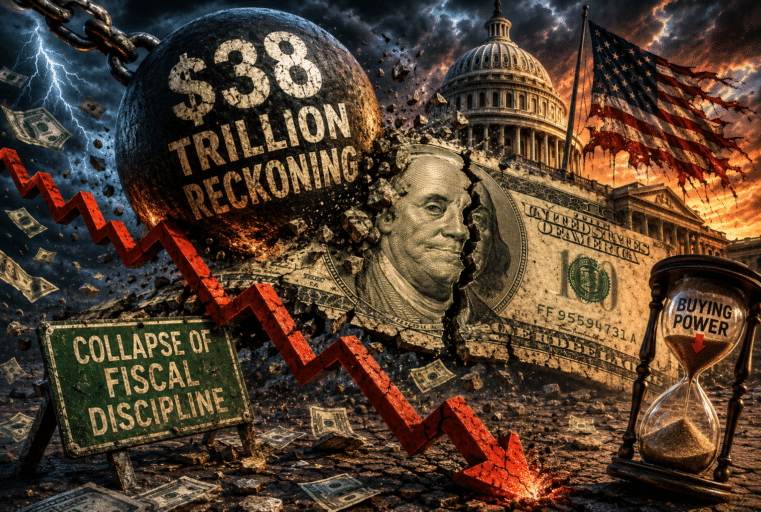
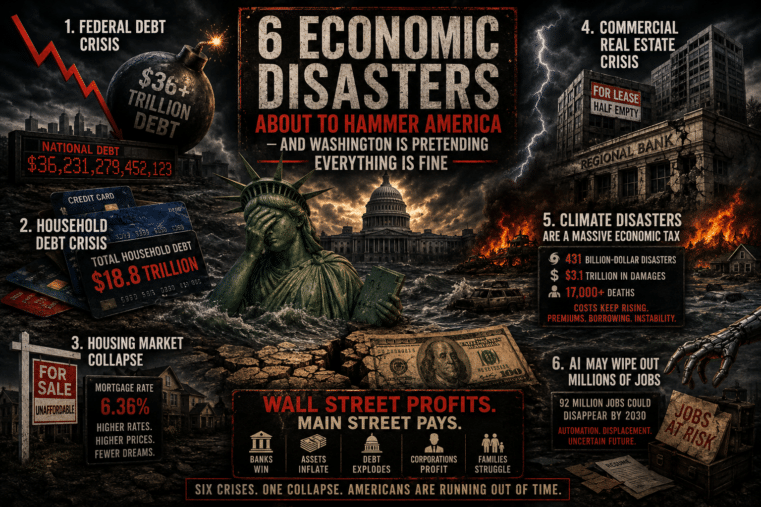
- Global debt is still exploding
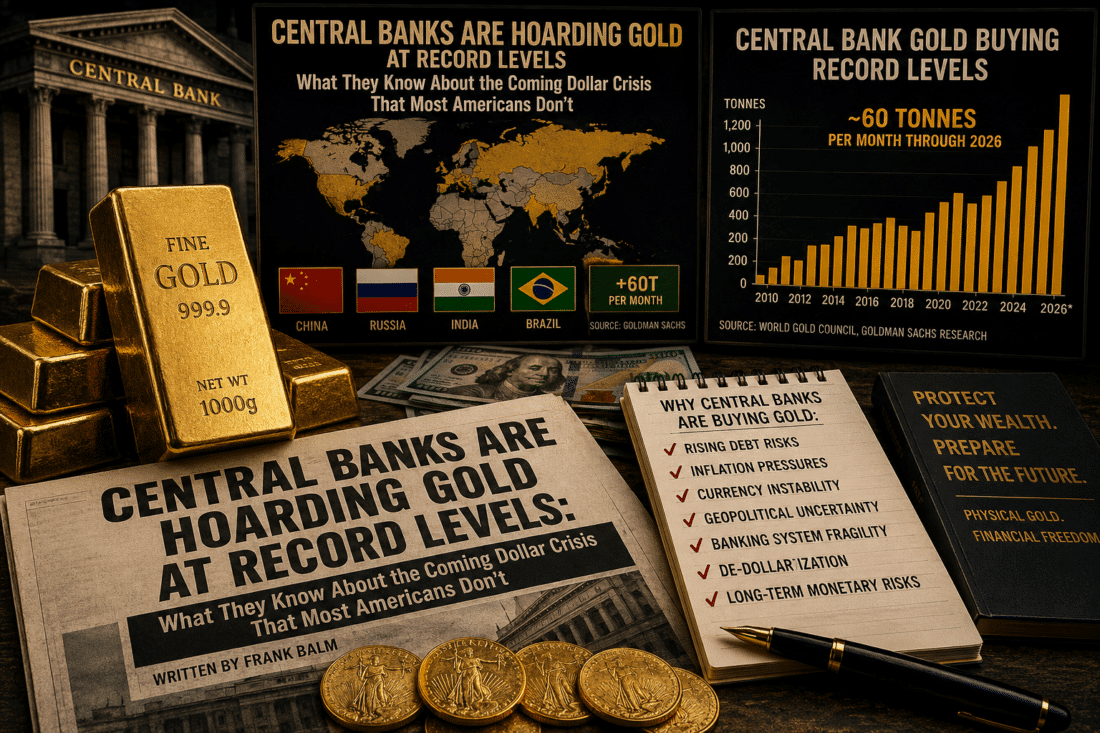
- Central banks are still accumulating gold
- Real interest rates remain weak or negative
- Currency stability is becoming more questionable
That’s the environment where gold thrives.
Short-term? Turbulence.
Long-term? Strength.
What I’d Tell You If We Were Sitting at the Same Table
I don’t talk like an academic. Never have.
I talk like someone who’s seen cycles come and go—and knows how they end.
Right now, we’re in a phase where things don’t make sense on the surface.
Gold falling during chaos.
Markets reacting to headlines instead of fundamentals.
Policy decisions creating ripple effects nobody can fully control.
That’s not normal.
That’s transition.
And during transitions, the people who protect themselves early are the ones who come out ahead.
Take Action Before the System Tightens Further
If you’re starting to see the cracks—rising costs, unstable markets, conflicting narratives—you’re already ahead of most people.
But awareness isn’t enough.
You need a strategy.
Download the Digital Dollar Reset Guide by Bill Brocius here
This guide breaks down what’s coming next: the expansion of FedNow, the push toward central bank digital currencies (CBDCs), and the rise of programmable money that could redefine how—and if—you can spend your own cash.
This isn’t theory. It’s already unfolding.
Get the intel. Get prepared. Stay ahead.